

### Blog Post:
Baby fever what temperature is dangerous is a question every parent asks during a stressful night. Understanding which fevers truly signal danger—and what to do next—can make all the difference when your baby feels hot and fussy.
Key Takeaways
- Fever of 38.0°C (100.4°F) or higher in babies under three months is considered dangerous and requires immediate medical evaluation.
- For babies under 60 days, treatment and monitoring depend heavily on age and clinical appearance—not just the number on the thermometer.
- Home care is rarely safe for young infants with fever; know when to act and recognize warning signs beyond temperature alone.
- The Core Concept: What Fever Temperature Is Dangerous for Babies?
- Step-by-Step Guide: What Parents Should Do
- Advanced Analysis & Common Pitfalls
- Conclusion
- FAQ
The Core Concept: What Fever Temperature Is Dangerous for Babies?
Understanding when a baby’s fever is dangerous means knowing the thresholds that require immediate action. According to the latest 2024 pediatric fever guidelines, a rectal temperature of 38.0°C (100.4°F) or higher in infants under three months old is always considered dangerous. Even a single reading at or above this level warrants urgent medical evaluation, even if your baby otherwise looks normal.
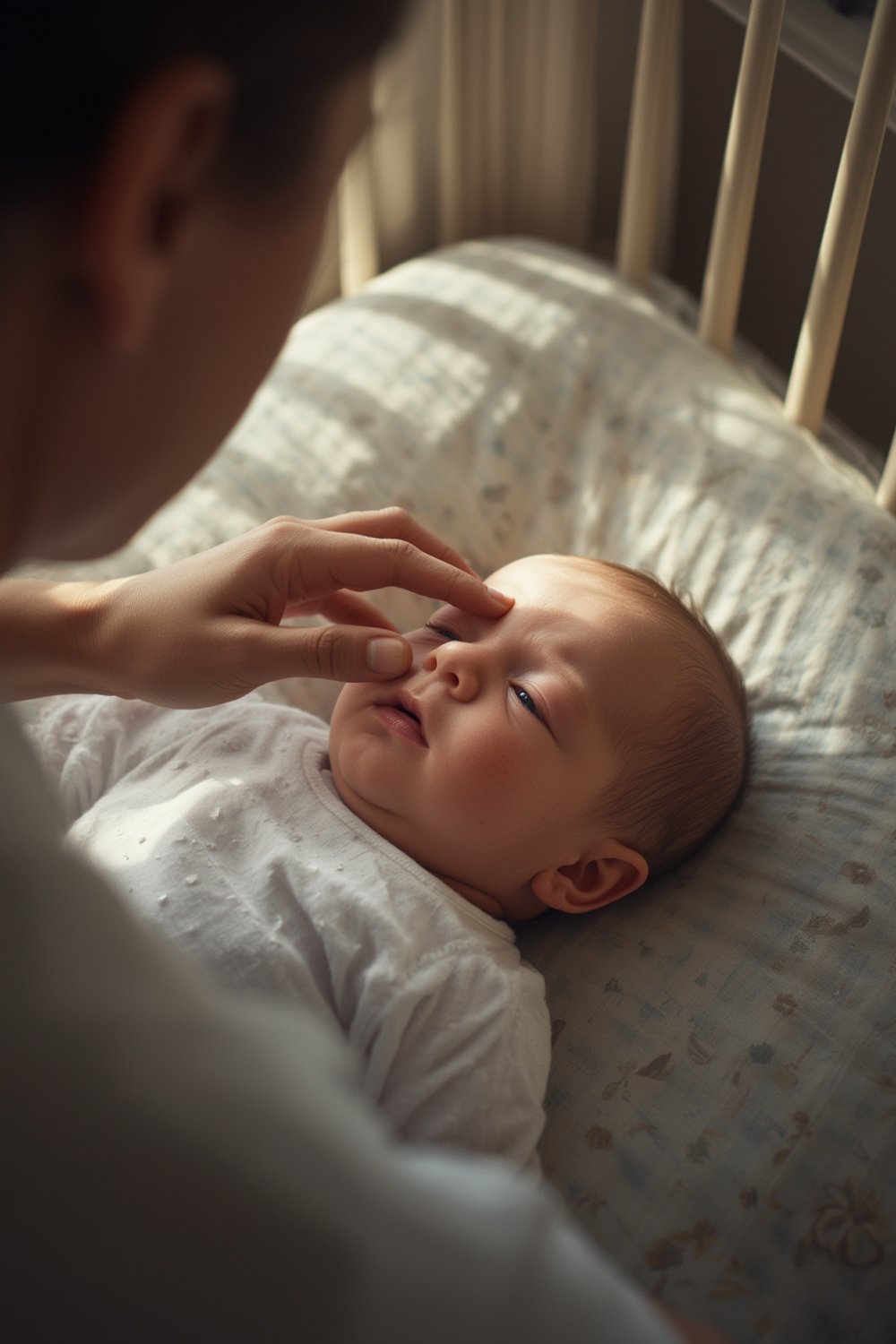
The risk is greatest in the youngest infants. Babies 0–21 days with fever need hospitalization and a complete medical workup, because serious infections are hard to spot at this age and can become life-threatening quickly. For babies 22–60 days, certain lab criteria and clinical findings allow some low-risk infants to be managed as outpatients—but close supervision is still vital.
For kids ages 3–36 months, a fever over 39.0°C (102.2°F) without an obvious source can also be a concern, especially if accompanied by other symptoms. For all babies, the highest danger is not just the temperature itself but any signs your infant looks or acts very unwell.
Quick identification plus clear action steps prevent tragic outcomes—so keep reading for a realistic, practical plan.
Step-by-Step Guide: What Parents Should Do
If your baby develops a fever, avoid panic. Use this plan to decide what to do, minute by minute, especially for babies under three months:
- Confirm the Fever Accurately. Always use a digital rectal thermometer for infants under 3 months. Axillary (armpit) or forehead scanners are less accurate at this age. A rectal temperature of 38.0°C (100.4°F) or above is a true fever.
- Assess the Baby’s Age.
- 0–21 days: Any fever means go directly to the ER or call 911. These newborns must be evaluated and started on IV antibiotics fast.
- 22–28 days: Also seek immediate care, though if all urgent tests return strictly normal and the baby looks completely well, rare outpatient options exist. Only your doctor can decide this after exams and tests.
- 29–60 days: Call your doctor right away or go to the ER for assessment. Testing is selective, but home care is only possible if your doctor has ruled out infection risk and arranges close follow-up.
- Watch for Other Warning Signs. Even if the temperature is lower, seek care immediately if your baby:
- Looks very drowsy or unresponsive
- Has trouble breathing
- Is vomiting repeatedly, refusing to feed, or producing very few wet diapers
- Has a seizure
- Shows abnormal skin color (pale, blue, or mottled)
- Develops any new rash (especially purple spots)
- Don’t Give Medications Unless Instructed. For young infants with fever, do not give Tylenol (acetaminophen) or ibuprofen before evaluation, unless your doctor specifically recommends this after the initial examination.
- Prepare for the Doctor or Emergency Department. Pack essentials including baby’s health record, list of symptoms and their timing, and care items like diapers and a spare outfit. Write down all recent exposures, contacts, or ill family members.
If your child is older than three months and has a fever but no other symptoms, monitor closely. Make sure your child drinks fluids and gets gentle comfort. Offer fever-reducing medicine only if recommended. If the fever persists past 48 hours, rises above 40.0°C (104°F), or you see any warning signs, call your doctor.
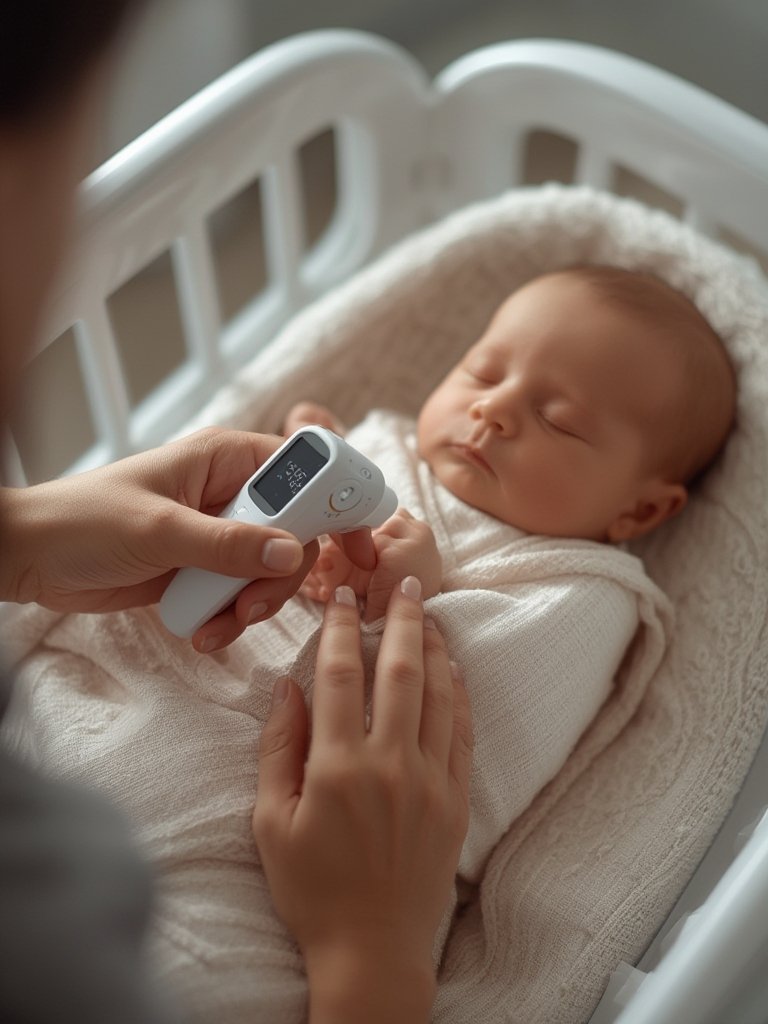
Always ask about safe sleep setup while your baby is sick; see our safe sleep solutions guide. For home monitoring, consider a digital baby thermometer or smart monitor, but remember these tools do NOT replace live medical assessment for young infants.
Prioritize professional care for very young infants. Prognosis is excellent with early treatment, but even slight delays can be dangerous under two months old.
Advanced Analysis & Common Pitfalls
Even with clear action steps, managing fevers in babies has serious challenges. Here’s where real world problems and guidelines sometimes clash:
- Misreading Thermometers: Forehead strips and ear thermometers give unreliable readings in babies under 3 months. Only rectal temperatures count for decision-making at this age.
- Delaying Care for “Mild” Symptoms: Some infants with dangerous infections look “well” until suddenly deteriorating. Always act on the thermometer, not just how your baby looks.
- Unnecessary ER Visits: For older infants (over three months) with no other symptoms and a mild fever, ER visits often result in observation only. Guidance changes by age and risk, so use trusted sources and call your pediatrician when unsure.
- Missing Hidden Danger Signs: A baby who is lethargic, refuses to feed, or has trouble breathing—regardless of temperature—needs urgent evaluation even if you’re not sure it’s a true fever.
| Age Group | Fever Threshold (Rectal) | Immediate Actions | Home Management Ever Safe? |
|---|---|---|---|
| 0–21 days | ≥38.0°C (100.4°F) | Go directly to ER, full workup, hospitalize, IV antibiotics | No |
| 22–28 days | ≥38.0°C (100.4°F) | Urgent ER, labs, possible hospital or rare outpatient management based on strict criteria | Rarely; only if all tests normal, and with very close follow-up |
| 29–60 days | ≥38.0°C (100.4°F) | Doctor must assess; selective labs, possible home care if low risk | Sometimes, with strict medical clearance and follow-up |
| 61–90 days | ≥38.0°C (100.4°F) | Assess for high-risk features; new prediction tools help guide need for admission | Guided by doctor and risk factors |
| Over 3 months | ≥38.0°C (100.4°F) | Observe at home if mild, consult doctor if fever is high/lasts more than 2 days/child looks sick | Yes, unless warning signs develop |
Pitfall: Many parents want “just-in-case” antibiotics at home or a catch-all fever plan. Guidelines recommend against this, as inappropriate antibiotics harm babies and fuel resistance. Stay with evidence-based action steps.
Another hidden issue is unnecessary hospitalization. New research shows that for older infants, precise risk assessment helps avoid unnecessary testing and exposure to hospital germs for babies who don’t need it.
Internationally, guidelines may differ. For example, the UK’s NHS and the US AAP both use the 38°C threshold for emergency action in babies under three months, but workups and follow-up intervals can vary, especially outside large cities or in resource-limited settings.

For support with organizing your nursery, see our toy storage solutions guide, and for tracking milestones through illness and health, check our baby milestone tracker.
Conclusion
The safest answer to “Baby fever what temperature is dangerous” is clear: for infants under three months, any fever at or above 38.0°C (100.4°F) is dangerous and needs urgent evaluation. Strict age-based guidelines protect infants’ health and save lives. Always act quickly—never rely on home care for the youngest babies unless a trusted doctor gives you strict criteria and close supervision. If in doubt, seek professional advice. For more practical tips on baby care and safety, explore our baby care tips guide or read how to properly use a digital baby thermometer.
Don’t take chances. When fever strikes, use these practical steps—and trust your instincts. If your baby looks unwell, acts differently, or you simply feel that something is wrong, seek help immediately.
FAQ
Is a fever of 99°F considered dangerous in a baby under 3 months?
No. Only a rectal temperature of 38.0°C (100.4°F) or higher is considered a true fever in this age group. Lower temperatures do not require emergency action, but monitor for other symptoms.
Can I manage my 2-week-old’s fever at home with Tylenol?
No. Any fever in a baby under 21 days requires immediate medical attention and hospital assessment. Do not give medicine or wait it out at home.
What if my baby has a fever but seems otherwise happy?
For babies under three months, fever alone is reason for medical review, even with no other symptoms. In older infants, monitor and contact your doctor if symptoms change or persist.
How long should a fever last before seeing a doctor?
For babies under three months, seek care immediately for any fever at or above 38.0°C. For older babies, contact your doctor if the fever lasts more than 48 hours, rises above 40.0°C (104°F), or new symptoms develop.
Are fevers always bad for babies?
Not always. Fevers are a sign the body is fighting infection. But in young babies, fevers can signal severe illness that moves quickly. That’s why strict guidelines exist for this age group.
—