

### Blog Post:
Baby first aid kit is one of the first essentials recommended for new parents, but few realize what actually matters when it comes to choosing, maintaining, and using one for real-life emergencies at home. Whether you’re preparing a nursery or refreshing your emergency supplies, knowing what goes into a safe, effective kit can make the difference between a quick solution and panic during your baby’s first fever or fall.
Key Takeaways
- Most baby first aid kits lack critical infant-specific tools or clear instructions—know what to look for and common pitfalls.
- There are no universal standards; understand essential certifications like FDA compliance, CE marking, and proper expiry management.
- Routine kit checks every 6 months and knowing the three must-have items are crucial for safety and peace of mind.
- What Is a Baby First Aid Kit and Why You Need One
- How to Build and Maintain an Effective Baby First Aid Kit (Step-by-Step)
- Advanced Analysis: What Commonly Goes Wrong
- Conclusion
- Frequently Asked Questions
What Is a Baby First Aid Kit and Why You Need One
A baby first aid kit is a carefully organized collection of health and emergency items, sized and chosen specifically for infants. Unlike generic kits, a purpose-built baby kit contains tools needed for common household accidents—fevers, minor cuts, bumps, and more—tailored to the sensitivities and sizes of babies. Its job is to help parents safely manage minor emergencies without delay—and to avoid using adult supplies that might be unsafe or hard to use on a wiggly, frightened baby.
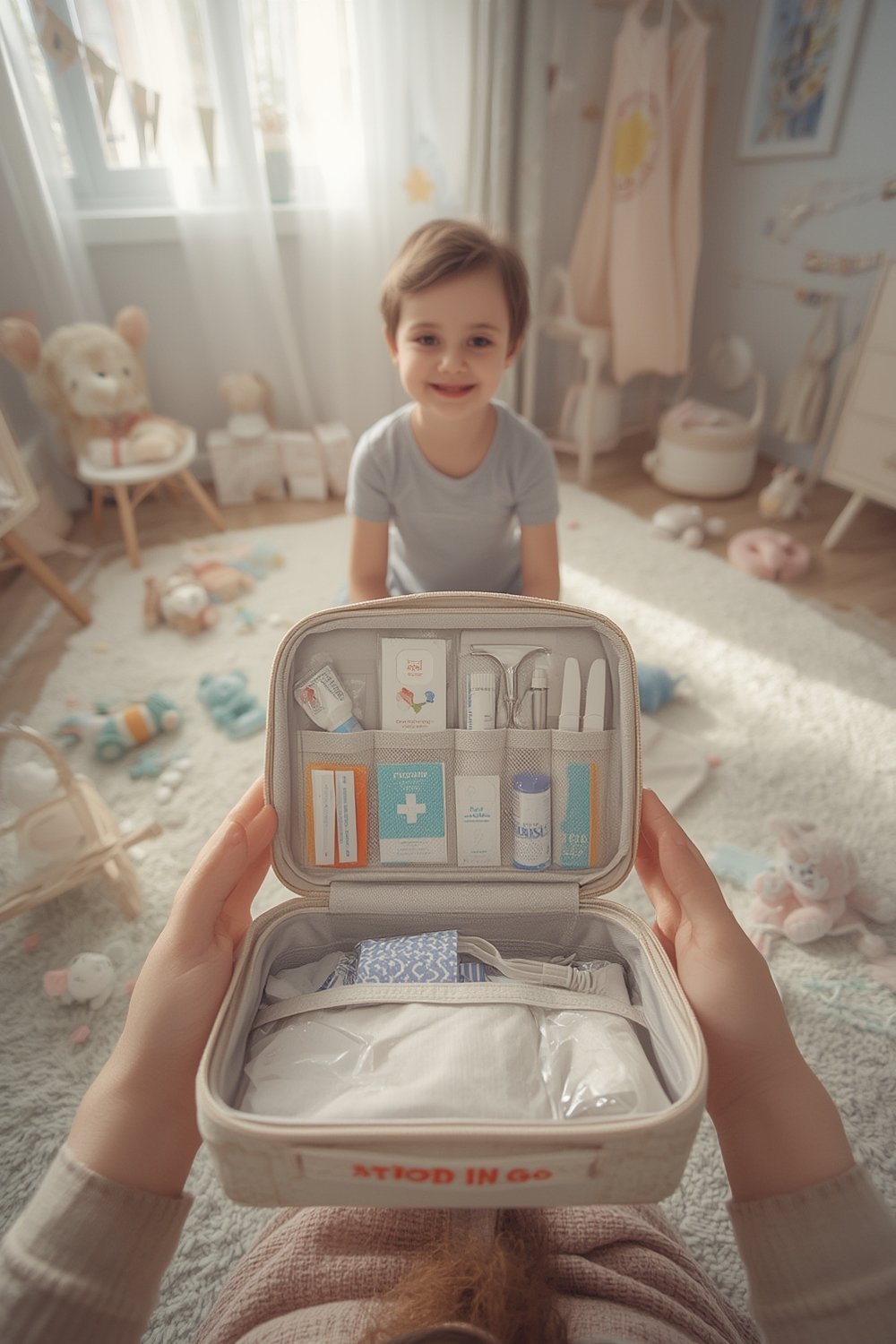
Market research in 2024 estimates global baby first aid kit sales between USD 412 million and 528.7 million, with over 55% of that aimed at home use. While there’s no study saying how many new parents buy a dedicated baby kit, the numbers confirm that safety awareness is on the rise—especially in North America, which accounts for around 38% of global demand (source).
There’s no direct evidence yet that ownership alone reduces infant injuries or hospital visits, but millions of households invest in these kits to boost preparedness, especially since cuts, burns, and falls are leading reasons for infant at-home injuries. Kits bring self-reliance—and can avoid unnecessary panic trips to the ER for minor scrapes or fevers.
Looking for a safer sleep setup too? Explore our guide to toddler bed safety and create a secure sleep space.
How to Build and Maintain an Effective Baby First Aid Kit (Step-by-Step)
The right baby first aid kit does more than supply bandages. Here’s how to build (or improve) your kit, keep it current, and actually use it with confidence in a real emergency:
- Know the must-have items
- Digital thermometer (rectal or forehead, not glass or mercury)
- Wound care: adhesive bandages, sterile gauze, mild antiseptic wipes
- oral syringe or dropper, with printed dosing instructions
These three categories appear on every pediatrician and parent checklist for a reason—everything else is optional.
- Choose infant-safe materials and tools
- Avoid materials with latex or BPA unless clearly marked as safe
- Pick kits whose components carry FDA-compliance (US) or CE marking (EU) where needed; reputable brands highlight this
- Organize for speed and ease
- Separate baby-only items from adult supplies
- Use pouches or labeled sections: wound care, fever/medication, tools
- Add quick instructions for each tool in simple language
Kits that dump everything in one pouch are frustrating and stressful when seconds matter.
- Add extras for home and travel
- Bulb syringe or nasal aspirator in a sealed bag
- Child-safe nail scissors or file
- Travel-size versions of key tools for outings or car
For smart home parents, consider a “smart first aid kit” with connected checklists or reminders—an emerging trend projected to double in size over the next decade (source).
- Check for expiry and restock at least every 6 months
- Replace anything expired (bandages lose stickiness; solutions lose sterility)
- Swap out items as your baby grows (e.g. nail file for clippers)
- Update emergency contacts and pediatric dosing charts
For more on infant development changes, see our month-by-month milestones guide
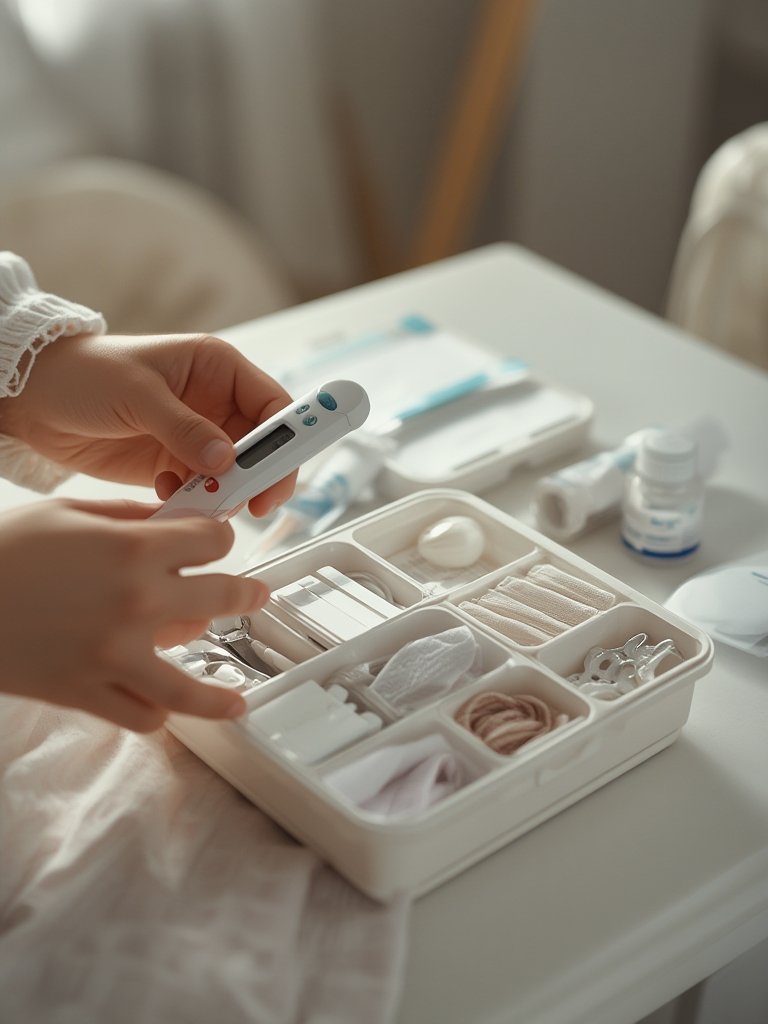
Don’t forget: Routine restock and checks prevent your kit from becoming a collection of dried-out wipes and expired ointments. For a cleaner, safer home, find great toy storage ideas to reduce hazards as well.
If you’re sourcing digital thermometers or specialty supplies, our digital baby thermometer guide breaks down safety and use cases.
Advanced Analysis: What Commonly Goes Wrong
Even the highest-rated baby first aid kit can frustrate in a pinch. Research and real-world reviews highlight several recurring problems—and knowing these can help you avoid them:
| Common Pitfall | Why It Happens | How to Avoid |
|---|---|---|
| Missing critical items | Many pre-assembled kits skip items like dosing syringes or infant thermometers. | Customize your kit and review pediatrician checklists before purchase. |
| Poor organization/concealed items | Kits mix small tools with bandages, making it hard to find things in an emergency. | Use labeled dividers or pouches; regularly check after each use. |
| Cheap or non-infant-safe materials | Some kits include non-medical grade plastic or adult-size scissors. | Check for FDA or CE labels; avoid unbranded bulk packs. |
| Expired or degraded components | Ointments and adhesives can become useless after expiry. | Mark your restock date on your calendar; set phone reminders. |
| Unclear instructions | Leaflets rarely explain infant care (or dosage) clearly. | Supplement kit with simple, age-specific how-to cards (print from trusted sites). |
| Restock neglect | Parents forget until needed; items quietly expire or go missing. | Routine 6-month checks, especially after any use. |
Keep in mind: There’s no blanket “FDA approval” for entire kits. Reputable kits make certifications clear on packaging and instructions, but many high-ranking guides omit this information, leaving parents guessing. Always look for FDA-compliant (US) or CE-marked (EU) labels on individual items, and doubly check the kit if it claims “hospital approved.” More on these requirements can be found in this market analysis.

Conclusion
A well-built and regularly checked baby first aid kit saves stress, time, and can help you confidently manage minor accidents at home. Don’t settle for a kit just because it says “baby” or “infant” on the label. Focus on what matters: infant-specific thermometers, wound supplies, and dosing tools—plus routine checks for expiry and completeness. See our guide to the best baby travel systems if you want to extend peace of mind on outings, too. Ready to upgrade your kit? Check yours today—or build one that’s actually ready for real emergencies.
Frequently Asked Questions
What should a baby first aid kit always include?
Every kit should have an infant-appropriate digital thermometer, wound supplies (bandages, gauze, antiseptic), and an oral syringe or dropper with dosing instructions. Other essentials are a nasal aspirator, saline drops, tweezers, and baby-safe nail clippers.
How often do I need to check and restock a baby first aid kit?
Review your kit at least every 6 months, and restock items as soon as they’re used or expired. Expiry dates are especially important for ointments, solutions, and any oral medications.
Is there a difference between baby and infant first aid kits?
The terms overlap. Any kit marketed for “baby” or “infant” should prioritize small sizes and infant-safe tools. The main difference is often content depth or quality, not strict age targeting.
What certifications should I look for when buying a baby first aid kit?
Check individual tools for FDA compliance if buying in the US, or CE marking in Europe/UK. Ask about ISO 13485 or ASTM compliance for higher-end kits. There are no global “baby kit” approvals, so rely on trusted brands and clear packaging.
Why do so many kits come with poor instructions?
Most are made for broad consumer markets and recycle generic adult guidance. Always supplement with pediatrician advice and clear, infant-focused printouts where needed.