

### Blog Post:
Baby food delivery organic is changing how parents source healthy meals for their young children. With rising concerns over chemicals, preservatives, and the time demands of modern parenting, an increasing number of families turn to organic baby food delivery for safer, more convenient nutrition.
Key Takeaways
- The global market for organic baby food delivery is booming, valued at over USD 4.4 billion in 2024 and growing fastest via online channels.
- Top pain points include ingredient safety, unclear subscription policies, allergen management, and transparency about sourcing.
- Not all services are equal; some miss critical needs such as custom allergen plans, breastfeeding support, or clarity on certifications.
- What Is Baby Food Delivery Organic and Why Choose It?
- How to Choose and Use Organic Baby Food Delivery: A Step-by-Step Guide
- Advanced Analysis and Common Pitfalls
- Conclusion
- FAQ: Baby Food Delivery Organic
What Is Baby Food Delivery Organic and Why Choose It?
Organic baby food delivery means having curated, healthy, and certified-organic baby meals delivered to your door. These services address many modern parenting challenges: short on time, wanting premium nutrition, and trying to avoid the hazards of pesticides and preservatives found in non-organic commercial products.
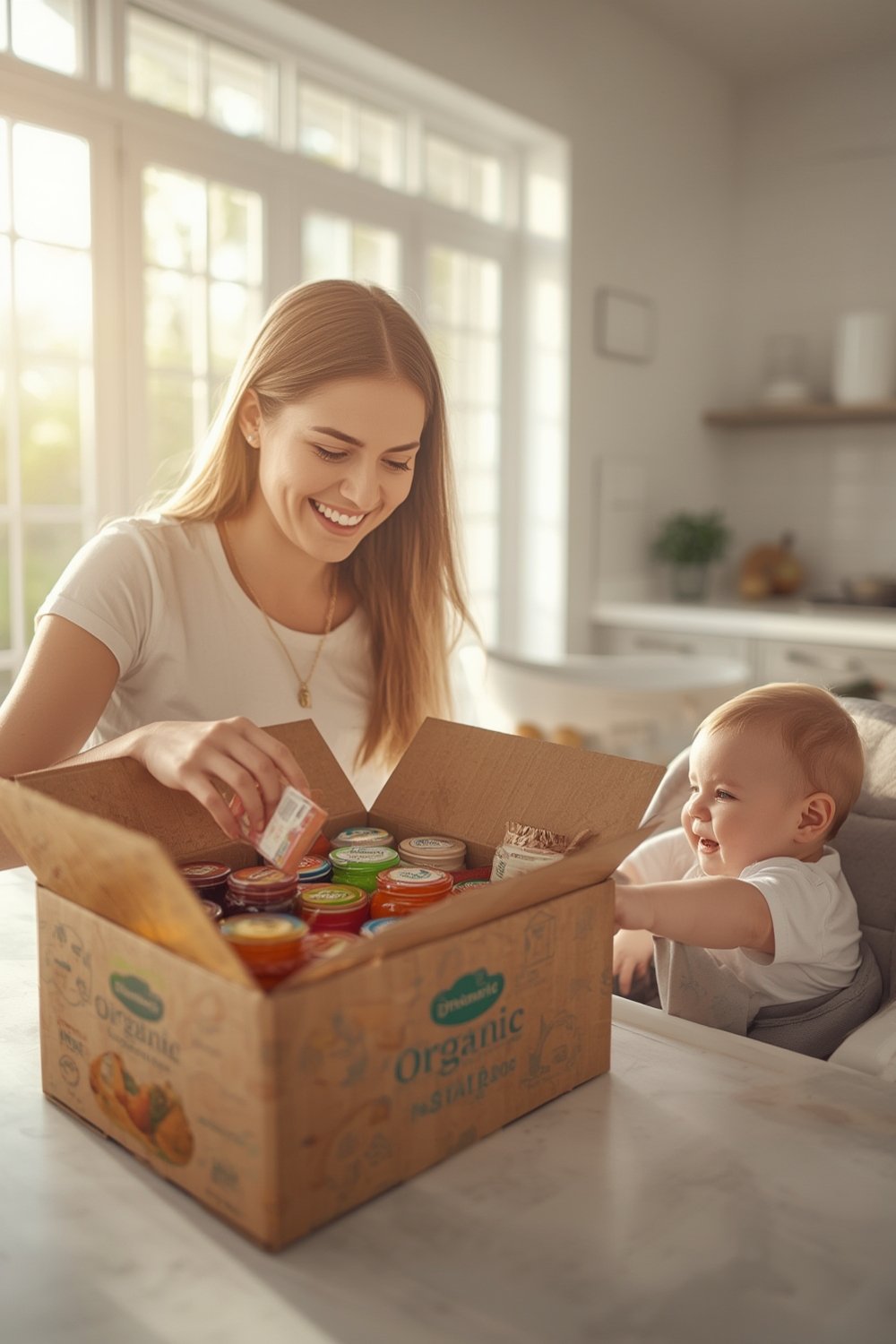
The market for organic baby food delivery has exploded in recent years. In 2024, the global sector is estimated at USD 4.40–5.20 billion and expected to nearly double by 2034 with a steady CAGR above 6% (Polaris Research). Key growth drivers include:
- Online accessibility thanks to e-commerce and quick delivery models.
- Heightened parental concerns over food chemicals, allergies, and immune system vulnerability.
- Convenience—especially for working parents and families needing specialty milk formulas or tailored nutrition.
Asia Pacific currently has the largest market share, but North America also leads in some reports as parents shift from traditional to organic options (Precedence Research).
How to Choose and Use Organic Baby Food Delivery: A Step-by-Step Guide
- Research Available Services
Start by identifying reputable baby food delivery organic services with proven track records. Look for transparent ingredient lists, published certifications, and authentic parent reviews.
If you want a head start, consult our baby food delivery companies guide for an overview of reliable options and insider tips. - Check Certifications and Quality Controls
Reputable services should guarantee food free from pesticides, hormones, GMOs, and preservatives (Straits Research). Ask about storage and packaging practices to ensure freshness and nutrition retention. Look for advanced packaging designed to extend shelf life naturally. - Investigate Subscription Models
Since pricing, subscription flexibility, and shipping costs can vary, always examine the fine print. Avoid services that lock you in with unclear cancellation or rigid schedules. Ideally, you want to adjust delivery frequency or pause as needed to match your baby’s changing routine. - Customize for Allergies and Dietary Needs
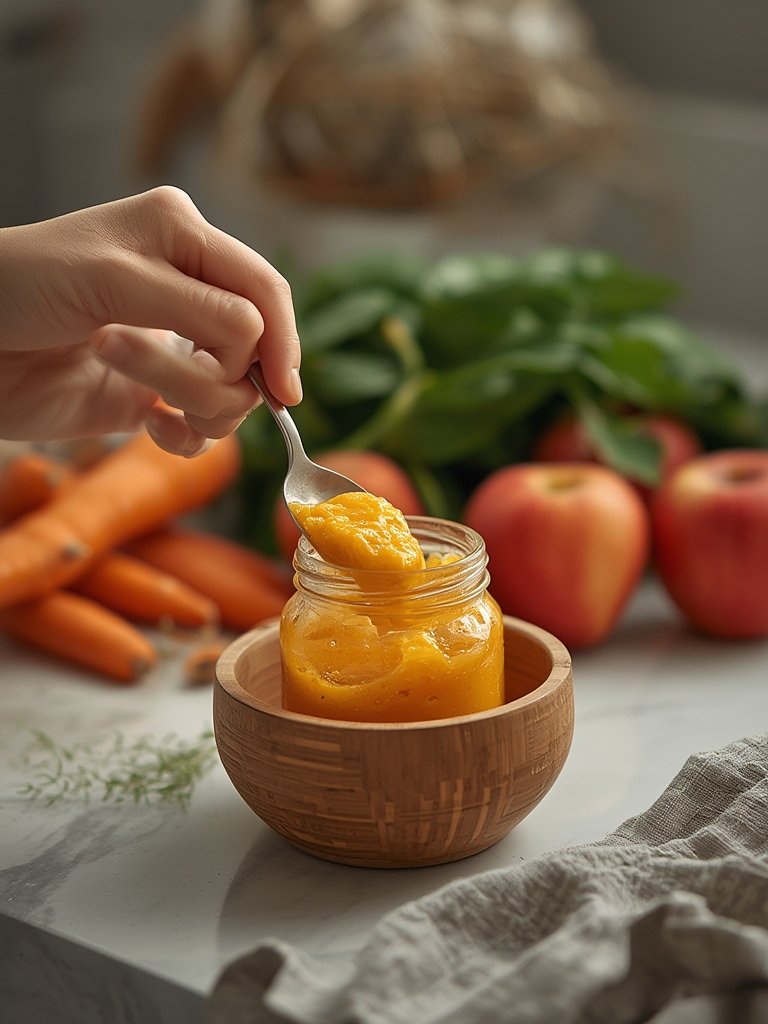
Allergen management is essential—ask how the service handles cross-contamination and ingredient transparency. Some companies overlook this, which can put infants at risk, especially if they have food sensitivities or immune system vulnerabilities. Read our allergy testing guide to ensure your provider is thorough.
- Track Baby’s Health and Preferences
Monitor reactions to new foods. Keep a simple journal of preferences, stool changes, and allergy symptoms. If you notice any adverse reactions, stop the food and consult your pediatrician. Our baby milestone tracker can help you log these moments for future reference. - Balance Homemade and Delivered Foods
Don’t hesitate to supplement delivered meals with fresh, homemade options using your own organic ingredients. If you’re interested in preparing quick, healthy baby purees at home, check out our detailed baby food maker guide for practical tips on in-home preparation.
Adding a white noise machine such as those reviewed in our baby sleep sound machine guide can even help infants nap soundly after a good meal—a little life hack many parents appreciate.
Advanced Analysis and Common Pitfalls
Despite its advantages, organic baby food delivery is not without challenges. Let’s examine where things can go wrong and what to look out for:
- Pitfall: Allergen Oversight
Many services don’t offer tailored allergen plans. Infants’ immune systems are fragile, so ambiguous labeling or cross-contamination is a real hazard. - Pitfall: Packaging and Additive Confusion
Some companies claim to be “organic” but use non-biodegradable packaging or extend shelf life with natural-sounding additives that are poorly explained. - Pitfall: Subscription Traps
Lack of transparency about cancellation policies or mid-term changes can leave consumers locked into costly plans. Delivery delays, poor flexibility, and hidden fees are common parent complaints. - Pitfall: Regional Variation and Regulatory Gaps
Organic standards vary globally. While Europe is known for its strict regulations, some Asian and North American products may not meet the same criteria. Always check third-party certifications if you’re importing or moving across regions (GMI Insights).
| Aspect | Key Data Insights (2024) |
|---|---|
| Pricing | Not standardized; most charge premium rates for organic quality. Few disclose clear price tables ahead of signup. |
| Subscription Flexibility | Not always transparent; trial or custom schedules are rare. |
| Shipping Costs | Often omitted upfront. Quick e-commerce delivery is touted, but fees and thresholds vary regionally. |
For additional safety and storage tips that go beyond food, explore our guide on baby-safe cleaning products to keep your kitchen truly toxin-free.

Conclusion
Organic baby food delivery offers a practical and increasingly accessible solution for parents wanting the best for their infants—combining safety, convenience, and tailored nutrition. However, due diligence is mandatory. Always scrutinize certifications, clarify service terms, and don’t overlook allergen management. As you navigate the fast-evolving landscape of baby food delivery organic, ask direct questions of your provider and supplement with your own research. Ready to start? Explore reputable providers and make a test order to see what works for your family best.
FAQ: Baby Food Delivery Organic
How can I tell if a baby food delivery service is truly organic?
Look for third-party certifications on the service’s website. Verify if they meet local or international standards. Services should clearly list their certifying agencies. If in doubt, ask for documentation.
Can organic baby food delivery accommodate allergies or special diets?
Some can, but not all. Ask about their allergen protocols, meal customization, and cross-contamination prevention. For infants with food allergies, insist on complete transparency before you order.
Is organic baby food delivery more expensive than store-bought options?
Generally yes, due to premium sourcing and logistics. But you save time and get specialty blends. Compare sample prices and factor in shipping to determine long-term affordability for your household.
How do I safely introduce new organic foods from a delivery service?
Follow the “one new ingredient at a time” rule, waiting 3–5 days before adding another. This makes it easy to spot any allergic reactions. Keep your pediatrician informed, especially if your child has a history of sensitivities.
—