

Baby humidifier use is a hot topic for parents aiming to create a healthy and comfortable nursery. Choosing the right model and maintaining it properly can make a difference, but skipping key steps can leave your baby’s space less safe than you’d expect. Here’s the real story about benefits, risks, and how to choose the best baby humidifier for your family.
Key Takeaways
- Not all benefits are proven; choose a cool-mist baby humidifier and follow safe usage and maintenance protocols.
- Improper maintenance is the biggest risk—daily cleaning and distilled water are musts to prevent mold and bacteria.
- Look for pediatrician-recommended features: cool-mist, easy-to-clean design, and humidity between 30-50%.
- What Is a Baby Humidifier and Why Do Nurseries Use Them?
- Step-by-Step Guide: How to Set Up and Maintain a Baby Humidifier
- Advanced Analysis & Common Pitfalls
- Conclusion
- FAQ
What Is a Baby Humidifier and Why Do Nurseries Use Them?
A baby humidifier is a device that adds moisture to dry indoor air in your baby’s nursery, typically using a cool-mist method. The main reason parents use them is that pediatricians suggest moist air can ease nasal congestion, cough, sore throat, and dry skin in infants—especially in dry winter months or air-conditioned environments. According to pediatric experts, maintaining optimal humidity (between 30-50%) can soothe airways, thin mucus, and make breathing more comfortable for babies. However, while many parents swear by these devices, recent clinical evidence from 2023-2024 does not confirm direct health benefits in nursery settings. Current recommendations are based on general pediatric practice, not specific clinical trials in healthy infants. [source] [source]
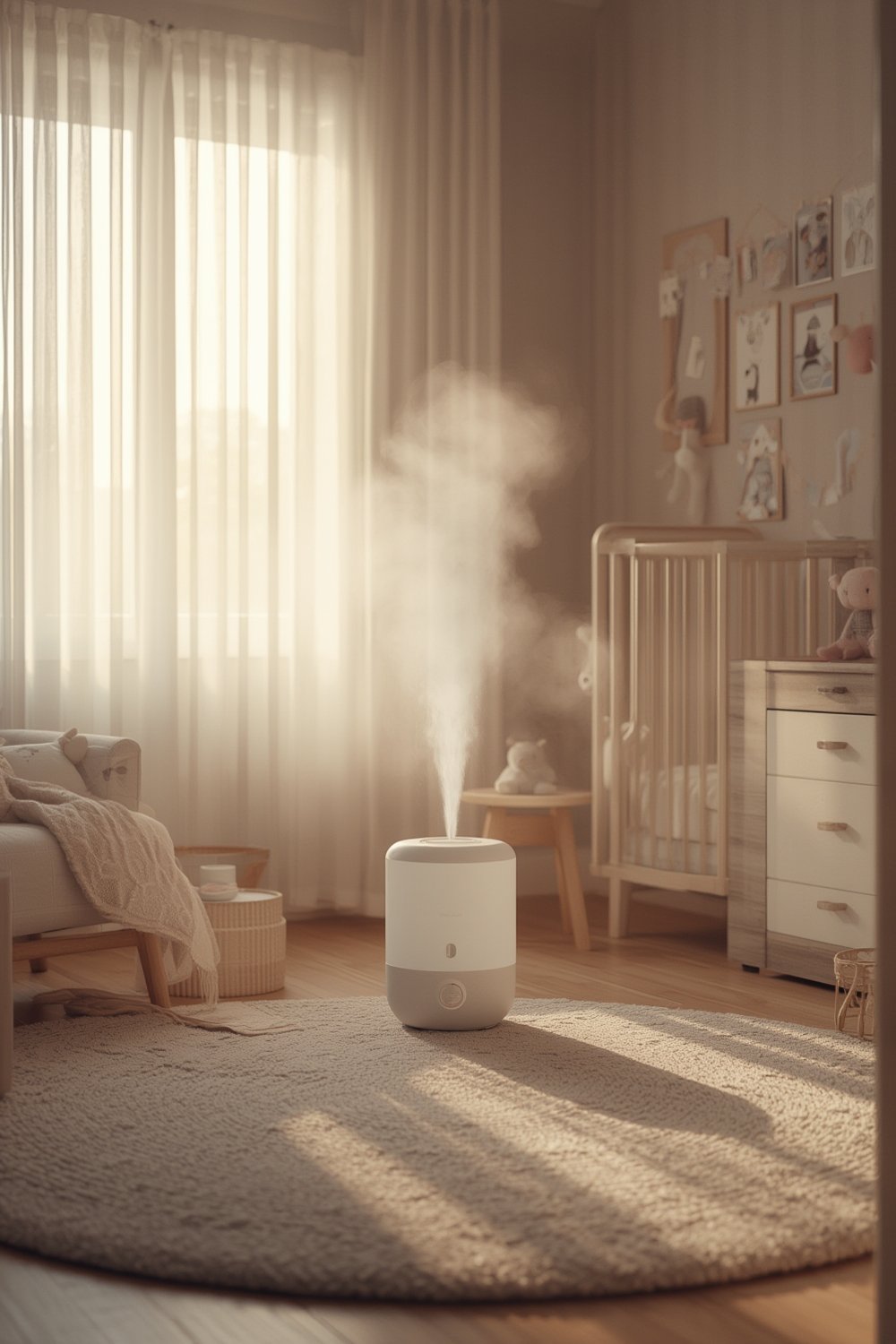
It’s important to note: the American Academy of Pediatrics (AAP) and major children’s hospitals only recommend cool-mist units for nurseries. Warm-mist (steam) models are discouraged due to the risk of burns. Proper usage goes beyond setup—daily cleaning, distilled water, and careful placement all play a role in keeping your baby’s air clean and safe. To further ensure your nursery is as safe as possible, see additional tips in our post on safe sleep solutions.
Step-by-Step Guide: How to Set Up and Maintain a Baby Humidifier
Setting up a baby humidifier isn’t complicated, but missing key steps can put your child’s health at risk. Here is a quick yet thorough walkthrough:
- Choose a Cool-Mist Humidifier: Select a unit explicitly labeled as cool-mist—and check if it’s recommended by pediatricians. Avoid any “warm-mist,” “hot steam,” or vaporizer types.
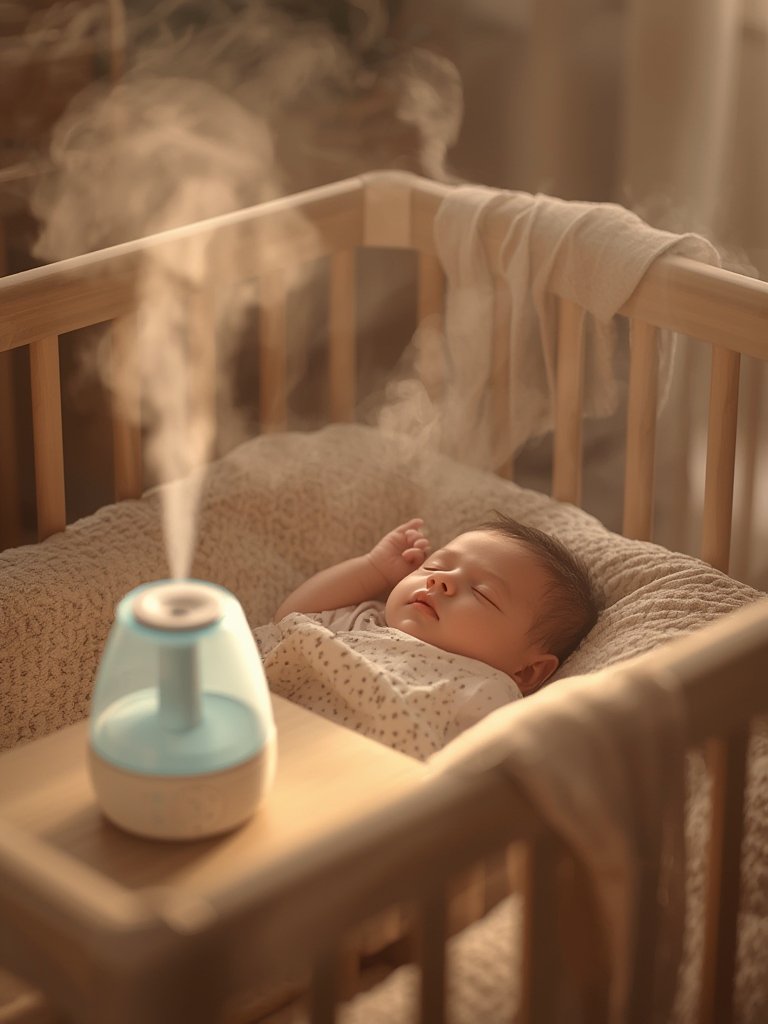
- Pick the Right Spot: Place the humidifier on a flat, elevated surface at least 6 feet away from your baby’s crib but within clear airflow of the room.
- Add Distilled Water: Always use distilled water or demineralized water to prevent mineral residue and airborne white dust. Do not add tap water, essential oils, or vapor rub products. [source]
- Set Humidity Level: Use a reliable hygrometer to monitor and maintain room humidity between 30-50%. Too much humidity encourages mold and allergens; too little dries out sensitive baby skin.
- Daily Cleaning Routine: Empty, rinse, and dry the tank every day, and disinfect weekly. Don’t let water sit in the tank between uses. Without strict cleaning, humidifiers quickly become breeding grounds for bacteria, mold, and dust mites, which may worsen baby allergies and asthma. For more daily nursery maintenance ideas, read about nursery organization.
- Replace or Clean Filters: Follow your humidifier’s instructions for filter cleaning or replacement. Some models are filterless, but most use replaceable filters that need monthly changing—or more often, if you see buildup.
- Regularly Check for Mold: Inspect every part, including the tank, base, and any removable parts.
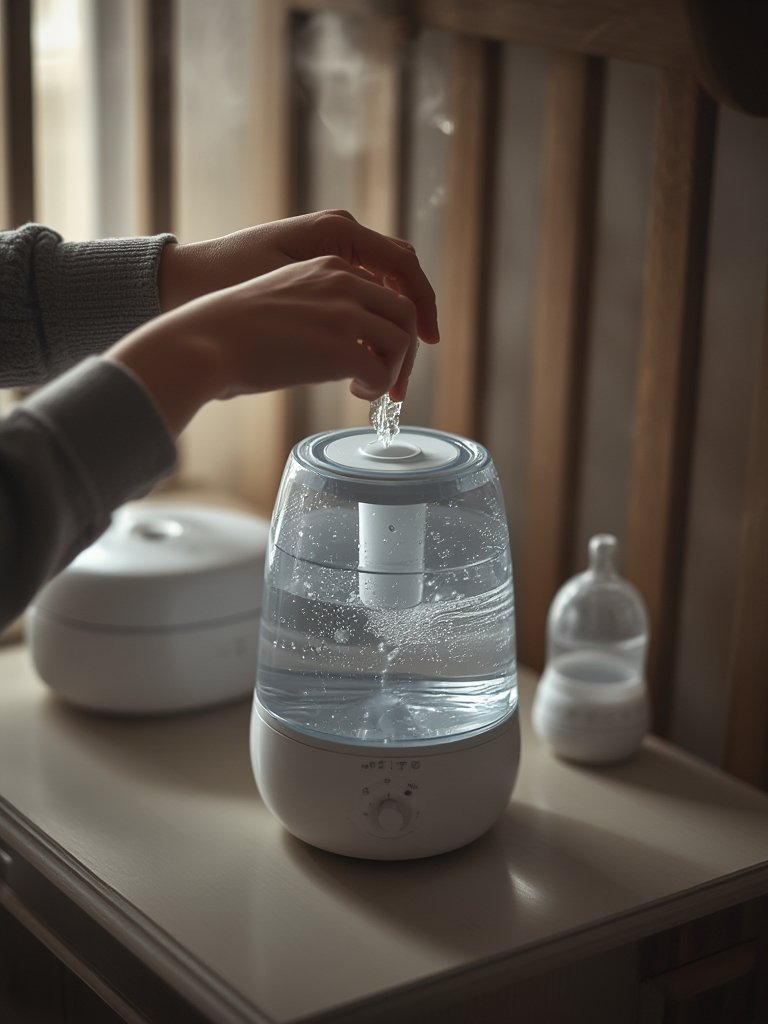
Skipping any of these steps risks exposing your baby to airborne irritants or bacteria. Remember—humans bring most respiratory germs, so wash hands before touching the tank or filters. To understand more about keeping the entire nursery safe and clean, check out our DIY nursery decor guide for extra prevention tips.
Advanced Analysis & Common Pitfalls
Using a baby humidifier isn’t without its problems. Let’s break down the main risks and real-life snags parents run into:
- Mold and Bacteria Growth: Humidifiers that aren’t cleaned daily can quickly harbor mold, yeast, and bacteria. This can make breathing issues and allergies worse, not better. Overfilling the tank or letting water stagnate makes this risk soar. [source]
- Allergens and Asthma: Running the humidifier too long or too high can boost humidity past 50%. This encourages dust mites and mold, which are major asthma triggers for sensitive kids.
- Not All Humidifiers Are Equal: Some units are louder than others. Many have small tanks that need frequent refills. Cleaning can be easy or a pain, based on design—smooth tanks and removable lids work best.
- Filter Hassles: Some humidifiers require expensive brand-specific filters. Forgetting to change them invites grime and germs.
- Recall and Safety Issues: Warm-mist models are a burn hazard and not safe for nursery use. No major recalls on cool-mist units since 2022, but misuse still carries risk.
Pediatricians and agencies stress the following features should guide your purchase:
- Cool-mist output (no steam/hot parts)
- Simple, wide-opening tank for easy cleaning
- No compatibility with oils or vapor rubs
- Maintains humidity between 30-50% (get a hygrometer separately)
For a realistic side-by-side comparison, manufacturers don’t publish direct noise or capacity stats, but here’s what most cool-mist nursery humidifiers typically offer:
| Model Feature | Typical Range/Notes |
|---|---|
| Noise Level | 24-40 dB (quieter models exist, but check user reviews) |
| Water Tank Capacity | 0.8-1.5 liters (approx. 8-24 hours per fill) |
| Filter Type | Replaceable cartridge or filterless (less hassle); replace monthly if present |
| Ease of Cleaning | Wide-top opening and fewer crevices make daily cleaning much easier |
| Estimated Cost (2024) | $30-$80 for baby-specific models; $5-$15 monthly for filters/cleaning |
Costs can creep up with frequent filter changes and cleaning supplies, so factor in these ongoing expenses. No significant new standards or recalls since 2022 have affected major brands, but always check the latest safety news.
Interested in holistic baby health? Check out our deep dives on organic baby skincare and anti colic baby bottles for more science-driven guides.
Conclusion
Used wisely, a baby humidifier can help soothe mild nursery discomforts like dry skin and stuffy noses, but improper use introduces serious risks. Choose a cool-mist type, place it well out of reach, stick with distilled water, and clean it daily. Remember, no device replaces medical advice, and benefits for healthy babies are promising but not proven by large 2023-2024 studies. Prioritize product safety and daily maintenance for best results—and never hesitate to ask your baby’s doctor for guidance. To build a safer, more comfortable nursery, explore our baby sleep regression guide or see tips in our smart baby monitor guide.
Ready to support your baby’s comfort? Start by evaluating your nursery’s humidity and making safe, informed choices today.
FAQ
Are warm-mist humidifiers safe for babies?
No. Warm-mist or steam humidifiers are not recommended for nurseries due to burn risk if tipped or touched. Only use cool-mist models, as pediatricians and the American Academy of Pediatrics suggest.
How often should I clean my baby humidifier?
Empty, rinse, and dry the tank every day. Disinfect at least once a week following the manual. Skip these steps, and the device can quickly harbor mold and bacteria.
Can I use tap water or add essential oils to the humidifier?
Always use distilled or demineralized water. Do not use tap water, as it can leave dusty residue and encourage microbe growth. Never add essential oils or vapor rubs; they are unsafe and can irritate sensitive baby airways.
What is the ideal room humidity for a nursery?
Keep nursery humidity between 30-50%. Too little causes dryness; too much grows mold and allergens. Use a hygrometer to measure accurately.
Are there recent safety recalls or new guidelines for baby humidifiers?
No major recalls or new standards have appeared since 2022. Stick to pediatrician-recommended safety guidelines and regularly check reputable safety websites for updates.