

Baby-led weaning guide is changing the way parents introduce solids to their babies. This approach skips purées and spoon-feeding, allowing infants to self-feed with finger foods from the start. Many families are attracted to its claims of easier mealtimes and healthier food habits, but is it right for your situation?
Key Takeaways
- Baby-led weaning (BLW) is safe and nutritionally adequate when supervised closely and started at the right time, with choking rates comparable to traditional spoon-feeding.
- Step-by-step preparation and flexible approaches help minimize common pitfalls like gagging anxiety and meal messes.
- Experts recommend blending BLW with traditional methods when needed, focusing on a variety of soft, safe foods and close observation of your child’s cues.
- What Is Baby-Led Weaning and Why Do Parents Choose It?
- Step-by-Step Guide: Starting Baby-Led Weaning Safely
- Advanced Analysis and Common Pitfalls in Baby-Led Weaning
- Conclusion
- FAQ: Baby-Led Weaning Answers
What Is Baby-Led Weaning and Why Do Parents Choose It?
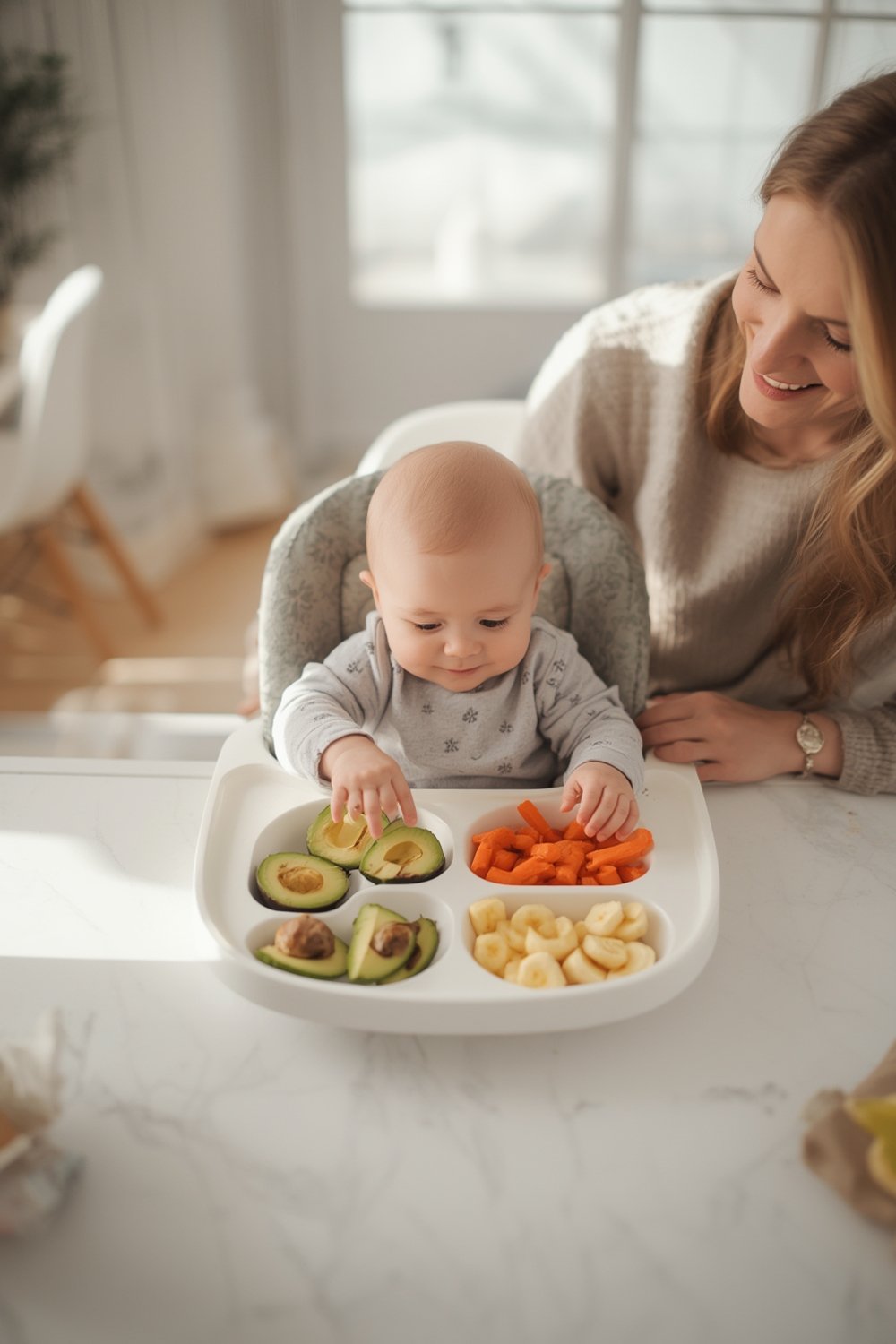
Baby-led weaning (BLW) is a feeding method that skips spoon-feeding and purées. Instead, babies are offered soft finger foods and encouraged to self-feed right from the start of solid food introduction—usually around six months old. The baby explores and eats food at their own pace, which may help develop independence, motor skills, and a positive relationship with food.
Parents are drawn to BLW for several reasons: they want to avoid mealtime battles, encourage healthy eating habits, and let baby eat family foods. Recent evidence from a 2024 cross-sectional survey shows that BLW infants are more often exclusively breastfed and exposed to a wider range of textures and flavors, with less reliance on processed “baby” foods. Choking rates are essentially the same as with traditional methods when practiced safely, and both BLW and spoon-feeding provide ample nutrition for growth when started at the right time and offered with care [Research] [Study].
Step-by-Step Guide: Starting Baby-Led Weaning Safely
1. Wait for the Right Signs of Readiness
Start BLW only when your baby can sit up unsupported, shows good head control, and displays interest in reaching for food—usually around the 6-month milestone. Introducing solids too early (before 6 months) increases choking risk and reduces the benefits of breastmilk or formula.
2. Set Up a Safe Eating Space
Place your baby in an upright, supportive high chair at the family table. Keep distractions minimal and always supervise feeds. Never leave baby alone with food.
3. Offer Soft, Grabbable Foods
Begin with foods that are naturally soft or cooked tender, cut into finger-sized sticks (about the width and length of your own finger). Top first foods include steamed carrot batons, ripe avocado slices, banana, soft-cooked broccoli florets, shredded chicken, and cheese strips.
4. Be Patient With Mess and Learning
Expect messes. Babies use their whole hands, throw, smear, and play with food as they learn. It’s normal and part of development. Wipeable bibs, drop cloths, and patience are your best friends.
5. Monitor for Hunger, Fullness, and Gagging
Let your baby control their own intake. Signs of fullness include turning their head, closing their mouth, and pushing food away. Gagging is common—it’s a safety reflex, not a sign of choking. Stay calm and observe closely.

6. Gradually Expand Foods and Textures
Over time, increase the variety—include soft-cooked grains, egg (if not allergic), meats, fish, dairy, and fresh fruits. Keep salt, sugar, and honey off the menu. Always watch for common allergens, and introduce one new food at a time.
7. Combine Approaches If Needed
If BLW isn’t working every day, or you feel anxious, it’s safe to combine BLW with spoon-feeding, especially for iron-rich foods or when on the go. Most experts now encourage this hybrid flexibility.
For parents needing advice on baby feeding equipment, check out the adjustable baby high chair guide for setup tips and safety.
Advanced Analysis and Common Pitfalls in Baby-Led Weaning
Research-Backed Pros and Cons
Recent evidence shows BLW and traditional weaning are both nutritionally adequate when parents offer plenty of variety and iron-rich foods. However, real-world challenges can frustrate new families—and not all babies adapt in the same way. Here’s what you need to know:
| BLW Pros | BLW Cons & Pitfalls | Solutions |
|---|---|---|
| Supports independence and fine motor development. | High anxiety about choking or gagging; real choking is rare but possible (12.3%) | Gain knowledge of choking vs gagging. Take a baby first aid course. Baby first aid tips. |
| Exposes babies to family foods and broader flavors | Messy mealtimes and occasional wasted food | Use washable covers and keep meals simple. Read about toy and nursery storage solutions to keep spaces tidy. |
| Helps babies self-regulate appetite | Uneven or slow food intake some days; concern about nutrient gaps | Supplement with iron-fortified foods or combine with spoon-feeding iron-rich purées as needed. |
| May foster positive long-term eating habits | Family pressure or social media expectations make BLW stressful | Ignore perfection, adapt strategies for your child and comfort level. |
What’s Missing in Most BLW Guides?
- Long-term health tracking: Few studies follow BLW kids to school age or beyond to directly compare eating behaviors or weight status.
- Practical parent training: Most resources underplay how to distinguish gagging vs choking, leading to unnecessary worry.
- Hybrid and flexible approaches: Many top guides are “all or nothing”, but most experts recommend combining BLW and spoon-feeding as needed.
Looking for more advice on baby developmental milestones month by month? Read our milestone guide.
Safety & Product News
There are no recent recalls, outbreaks, or safety warnings about popular baby-led weaning foods or products in the past year. However, always check food recalls locally and inspect feeding gear for damage before use.
For peace of mind, review the latest baby food maker safety advice to ensure your setup is modern and reliable.

Conclusion
BLW is a safe, effective, and flexible feeding method for most families when started with the right readiness cues, close supervision, and a focus on simple, nutritious foods. The latest evidence shows no major disadvantages compared to traditional spoon-feeding, and hybrid approaches are often the most realistic solution for busy parents. If you decide to follow a baby-led weaning guide, build your plan around safety, flexibility, and your child’s unique cues. Trust your instincts—and keep learning as your baby grows!
Ready to get started or refine your approach? Share your experience in the comments or download our step-by-step resource for confident mealtimes.
FAQ: Baby-Led Weaning Answers
Is baby-led weaning really as safe as spoon-feeding?
Yes. Recent studies show choking rates are almost identical between BLW and traditional weaning when parents supervise closely and choose age-appropriate, soft foods. Gagging is normal and helps babies learn to chew and swallow safely. Learn more from this 2024 scientific review.
What are the main foods to avoid with BLW?
Skip hard, round, sticky, or highly processed foods for young babies. Avoid raw apple, whole nuts, chunks of meat, popcorn, grapes (unless quartered), and anything salted, honeyed, or very sugary. Stick with soft, easy-to-mash options cut into strips or small pieces.
How can I handle the mess without getting overwhelmed?
Expect mess—it’s normal! Use a splat mat under the high chair, dress baby in a waterproof bib, and keep a stash of wipes handy. Serve meals in a diaper or onesie if you’re home. Check out our toy and nursery storage tips to help keep chaos under control.
What if my baby refuses solid foods or doesn’t eat much?
It’s normal for intake to fluctuate. Keep offering a variety of foods without pressure. If you’re concerned about iron or high-calorie needs, supplement with spoon-feeding or fortified purées. If refusal persists for weeks, speak with your pediatrician.
Do I have to choose between BLW and purees, or can I combine both?
You can absolutely combine both approaches. Many families use a flexible, hybrid style, offering both finger foods and spoon-fed options as needed. This ensures adequate nutrition and lets your baby develop a wide range of eating skills. For more on feeding transitions, visit our when to start solids guide.