

baby nail trimmer electric tools are fast becoming the preferred solution for safe, stress-free baby nail care—offering a gentler alternative to nail clippers and files that helps parents avoid accidental cuts and fussy trimming sessions.
Key Takeaways
- Electric baby nail trimmers dominate the infant nail care market due to improved safety, low noise, and ergonomic design.
- Parents prefer electric options over manual cutters to minimize the risk of cuts, infection, and infant discomfort.
- Economical and feature-rich models are available, but many parents struggle to find credible technical specs and verified safety certifications.
- What Is a Baby Nail Trimmer Electric and Why Do Parents Prefer Them?
- How to Use an Electric Baby Nail Trimmer: The Step-by-Step Parent Guide
- Advanced Analysis: Pitfalls, Market Gaps, and Real-world Challenges
- Conclusion
- Frequently Asked Questions
What Is a Baby Nail Trimmer Electric and Why Do Parents Prefer Them?
Electric baby nail trimmers are specialized grooming devices designed to gently file or trim tiny fingernails using cushioned grinding heads, low-speed rotating pads. Unlike traditional nail clippers or manual files, electric trimmers minimize the risk of accidental cuts and painful mishaps, especially on squirming infants. The technology’s popularity is skyrocketing among parents seeking safer, easier, and less stressful nail care routines for babies.
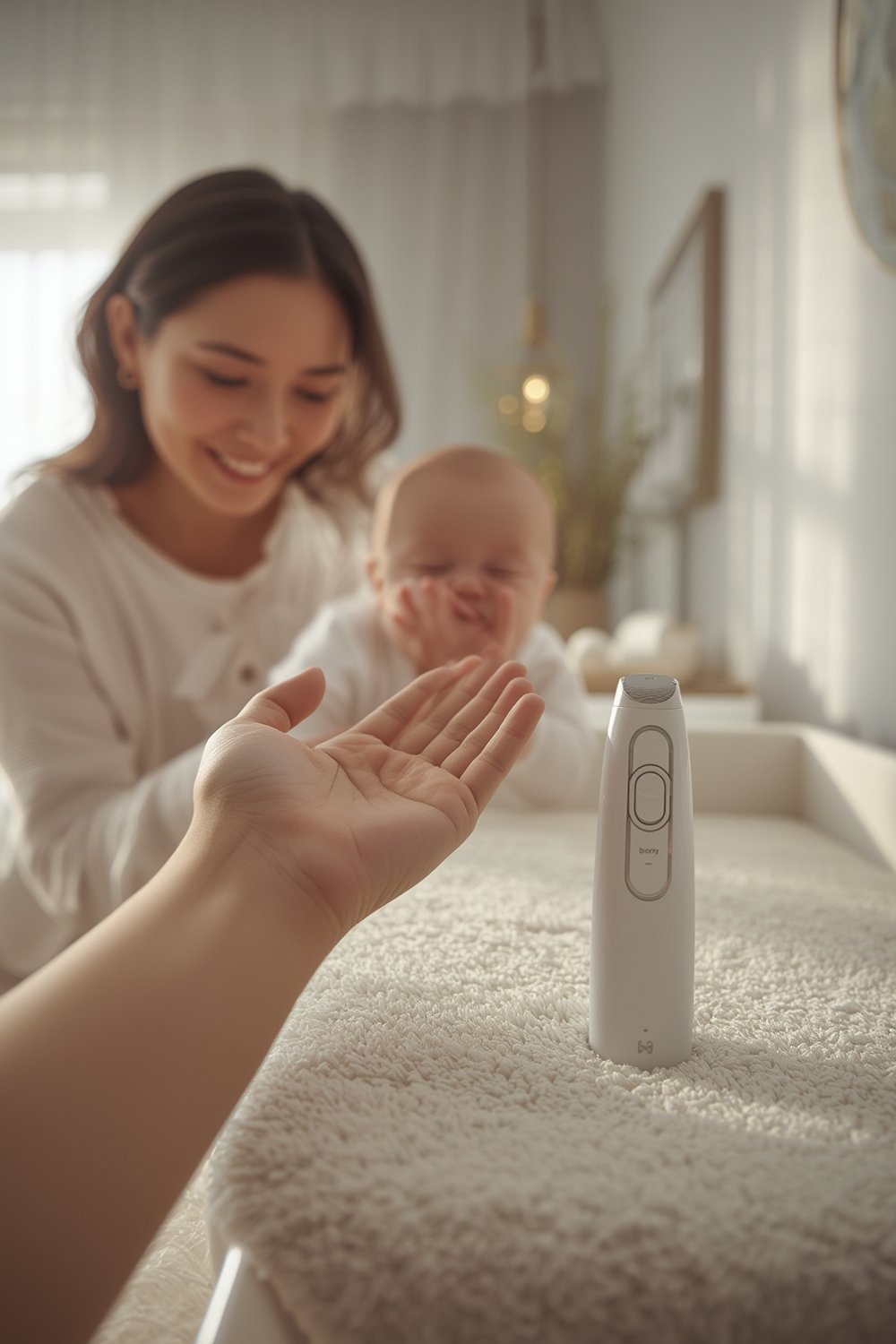
Safety concerns are the main driver for switching from regular nail clippers to electric trimmers. Electric models use cushioned grinding heads, consistent gentle pressure, and often several speed settings, so parents can safely round and smooth delicate baby nails. Features like quiet motors and ergonomic grips also reduce stress for both baby and parent.
According to Future Market Insights, the global electric baby nail trimmer market is set to double by 2035, outpacing manual tools thanks to innovations in precision motors, quiet operation, and child-friendly materials. North America remains the largest market, but demand in Asia-Pacific is climbing rapidly as more parents prioritize infant safety and shop online.
The economy segment accounts for a significant portion of sales, with essential safety standards met in lower-cost models. Yet, premium models lure parents with additional speeds, quieter operation, and recharging options. Still, many products offer little transparency on technical details or regulatory compliance, making it crucial for parents to do their research before buying.
How to Use an Electric Baby Nail Trimmer: The Step-by-Step Parent Guide
Using an electric baby nail trimmer isn’t difficult, but a few practical steps and checks can make the process safer and more efficient. Here’s a parent-tested workflow:
- Select the right grinding head (often color-coded for age or nail thickness) and attach securely to the device.
- Test the device in your own hand to familiarize yourself with speed, vibration, and noise—comfort matters.
- Wash and dry your baby’s hands to remove any lotion or oil. Clean, dry nails are safer and easier to trim.
- Invite help if needed. Another adult can gently hold your baby’s hand, keeping fingers steady during filing.
- Hold your baby’s finger securely but gently, then touch the grinding pad to the nail edge for no more than a few seconds per spot.
- Work slowly around each nail, smoothing sharp edges and avoiding extended contact with the skin.
- Clean the nail dust with a damp cloth after finishing all nails.
- Disinfect and store the trimmer safely out of reach when done.
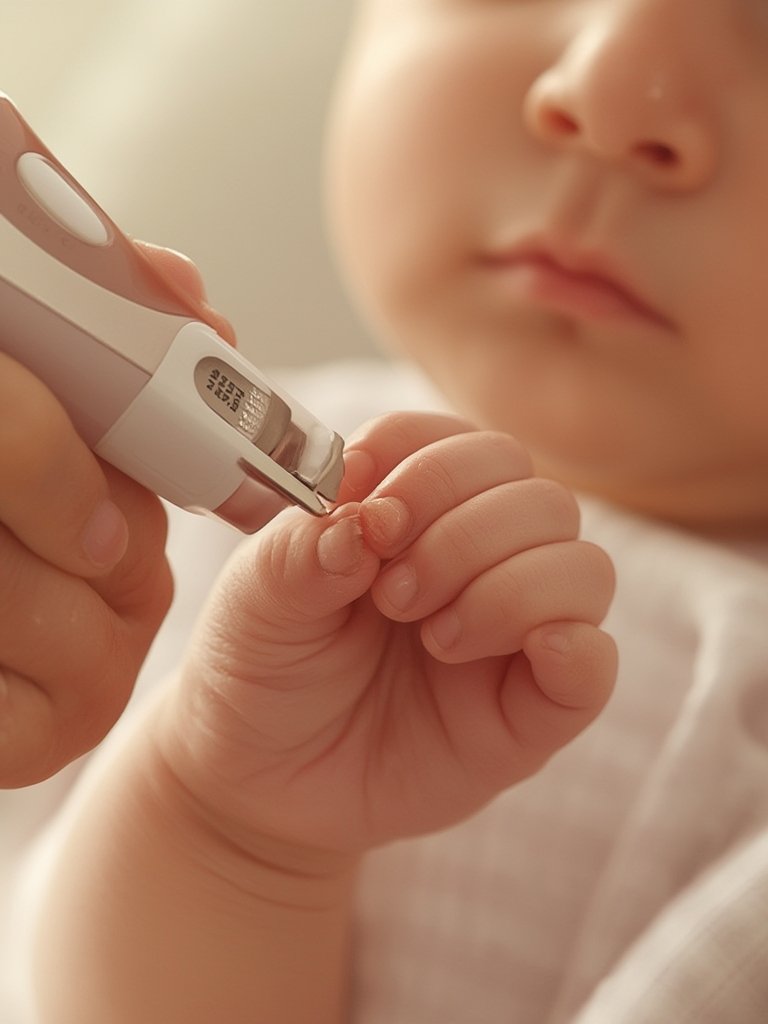
Keep sessions short—just one hand at a time, then pause if your baby gets fussy. Wipe down the grinding head after each use and replace it according to the manufacturer’s instructions.
If you want to complete your infant care toolkit, check out our guide on choosing the best digital baby thermometer for safe and easy home health monitoring.
Advanced Analysis: Pitfalls, Market Gaps, and Real-world Challenges
While electric baby nail trimmers offer substantial safety and convenience benefits, both market research and real parent feedback point to several pitfalls and gaps that can affect your experience:
- Lack of Transparent Specs: Many products avoid publishing actual motor RPM, decibel ratings, or battery capacity, making it tough to compare options or verify claims.
- Sparse Regulatory Info: It’s rare to see clear references to CPSC (USA), CE (EU), or ASTM standards on product listings, even though parents want proof of safety compliance.
- Limited Real-life Reviews: Most online reviews focus on “ease” and “no cuts,” but rarely address long-term durability, spare part availability, or risks of poorly-made economy models.
- Battery Hassles: While the external battery segment accounts for the majority share (for flexibility and lower price), parents may tire of replacing batteries versus simply recharging.
- Price vs. Features: Economy models cover the basics but tend to be louder or less durable; more expensive models may have speed controls and quieter motors, but there’s little info on user satisfaction beyond anecdotal praise.
- Ergonomics: Some trimmers are awkward for left-handed parents or in smaller hands, occasionally leading to accidental slips.
- Noisy Operation: Even “low-noise” models may not be quiet enough for sensitive babies or use during sleep.
Curious how electric nail trimmers stack up against manual cutters for safety and convenience? Here’s a comparison summary:
| Feature | Electric Baby Nail Trimmer | Manual Baby Nail Cutter/File |
|---|---|---|
| Risk of Injury | Very low (gentle filing, cushioned head) | Moderate to high (cuts possible, less control) |
| Noise Level | Low to moderate; varies by model | Silent |
| Battery Needs | Yes; external or rechargeable | No |
| Suitability for Squirmy Babies | High (less chance of slips) | Low (hard to use on moving hands) |
| Price Range (2024) | $12–$35 (economy: $12–$18) | $3–$12 |
| Long-term Durability | Good (brand-dependent) | Very Good |
| Cleaning/Maintenance | Needs cleaning/disinfection | Occasional cleaning |
Looking for more guidance on safe baby care? Read about toddler bed safety and crib safety tips to create a secure sleep space for your child.
Organizations like Grand View Research and IMARC Group note the dominance of electric models and highlight the importance of basic safety standards, but don’t name specific certifying agencies or brands with verified compliance. This transparency gap is a real-world hurdle for concerned parents.
If you’re building an all-around nursery toolkit, see our guides on choosing safe, chemical-free baby skincare or discover toy storage ideas to keep your space tidy and safe.

Conclusion
Electric baby nail trimmers have made baby grooming safer and easier for millions of parents. However, gaps in published technical specs and regulatory transparency mean families still need to research before choosing a model. The baby nail trimmer electric category is growing rapidly—expect even safer, quieter, and more precisely engineered options in the years ahead. For safe, simple baby grooming, invest in a top-rated electric trimmer and always focus on technique. Ready to upgrade your baby care toolkit? Start your research, read reviews, and ask for real-life feedback from other parents.
Frequently Asked Questions
Are electric baby nail trimmers really safer than traditional nail clippers?
Most parents find that electric trimmers greatly reduce the risk of accidental cuts or injuries compared to clippers, thanks to gentle, cushioned filing heads and easy one-handed operation. However, user technique and product quality matter—always follow instructions for best results.
What is the average cost of an electric baby nail trimmer in 2024?
Economy models typically cost between $12 and $18, covering all essential safety features. Premium brands can reach $25–$35 if you want more speed settings, noise reduction, or a rechargeable battery. Manual nail files are cheaper, but offer fewer safety benefits.
How do I clean and maintain an electric baby nail trimmer?
Detach the grinding head after each use and wipe it clean with a damp cloth; disinfect weekly with alcohol. Let all parts air dry completely before reassembly. Always store the device in a dry, out-of-reach place.
Should I buy a rechargeable or external battery model?
External battery models are more affordable up front, but rechargeable models are more convenient for frequent use and reduce running costs. Choose based on how often you’ll use the trimmer and your battery preferences.
Do electric baby nail trimmers have any certifications, and should I look for them?
While major brands often claim compliance with essential safety standards, few actually list specific certifications like CPSC, CE, or ASTM. It’s wise to look for brands that disclose such certifications or contact the seller directly for documentation.