

Baby registry must haves 2026 are changing fast as expert advice, safety standards, and real parenting experiences shape what truly belongs on your list. If you want an actionable, stress-busting guide for your growing family (or to build a gift list that actually gets used), this post is for you.
Key Takeaways
- Current expert must-haves focus on essentials and safety — not just the latest gadgets.
- Registry regret is common: most parents buy too much, or miss key basics (like extra sheets or baby thermometers).
- Review safety guidelines and expiration dates before reusing items for a second baby.
- 1. The Core Concept: What Belongs on a Modern Baby Registry (And Why?)
- 2. Step-by-Step Guide: How to Build a Smart Baby Registry for 2026
- 3. Advanced Analysis & Common Pitfalls: Avoiding Baby Registry Mistakes
- 4. Conclusion: Bringing It All Together
- 5. FAQ: Baby Registry Must Haves 2026
The Core Concept: What Belongs on a Modern Baby Registry (And Why?)
Today’s baby registry isn’t about filling your home with every new gadget. It’s about essentials that promote safety, make daily life easier, and prevent waste. In 2026, pediatricians, real parents, and industry reviews agree: focus on core items like a rear-facing car seat, safe crib or bassinet, gentle hygiene gear, monitored sleep, and practical feeding supplies. Skip impulse gadgets and prioritize quality, safety updates, and items you’ll use daily. Safety guidelines also urge replacing mattresses and checking car seat expiration for each child. These decisions not only protect your baby, but also lighten mental and physical clutter for you.
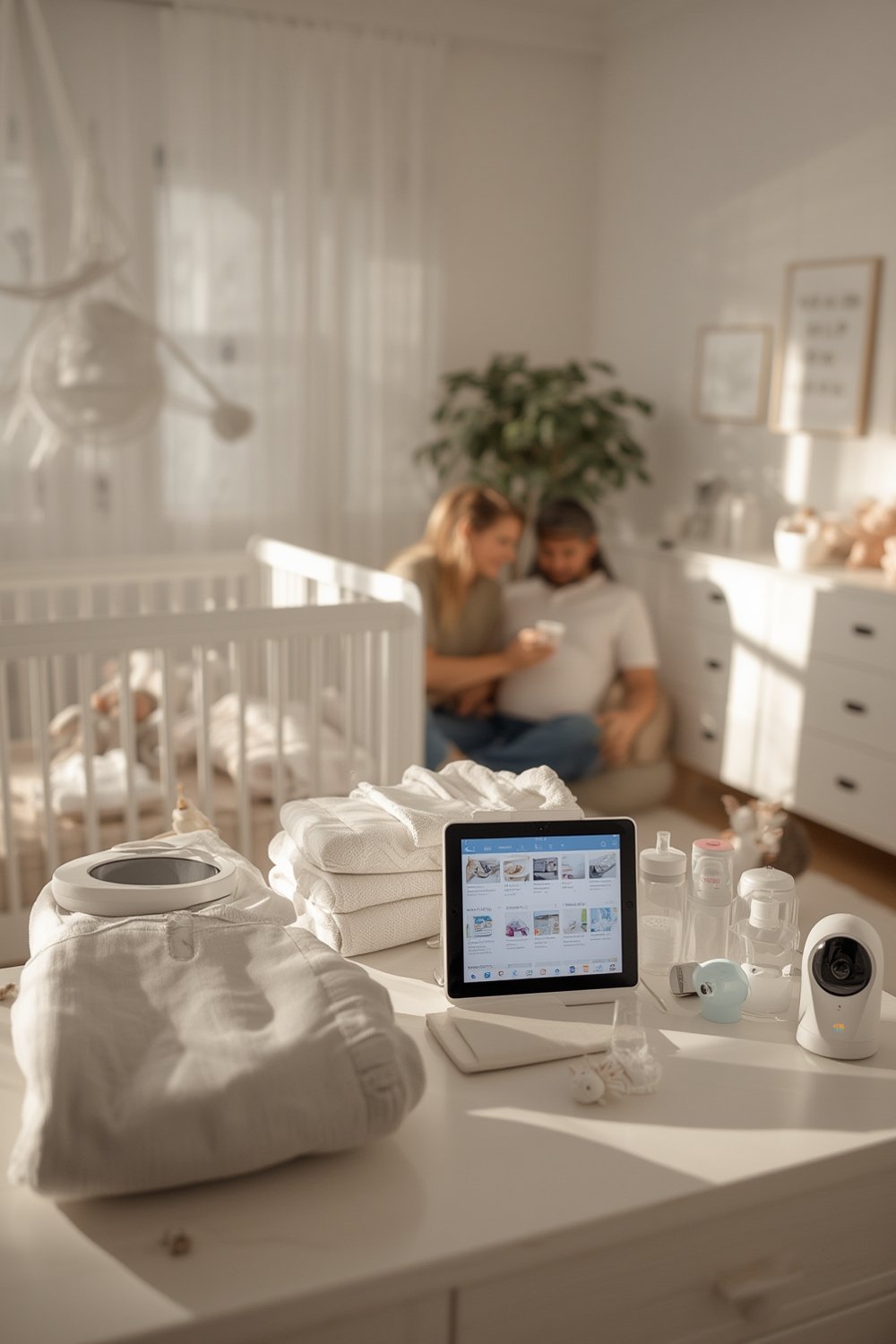
If you want in-depth sleep environment tips, see our guide on safe sleep solutions for infants and toddlers.
Checklists from major pediatricians (source), minimalists, and top baby platforms agree on an ideal list size: around 20 to 30 well-chosen items. This prevents excess clutter and unused products, saving time and money for new parents.
Key categories for 2026 registries include:
- Travel: rear-facing car seat (ensure current safety compliance), travel stroller, and portable changing system.
- Sleep: Crib or bassinet with new, firm mattress; breathable sleep sacks or swaddles; baby monitor with night vision (find our baby monitor guide here).
- Feeding: Bottles, bottle brush, breast pump (if nursing), nipple cream, milk storage bags. Consider anti-colic bottles for sensitive babies (see our anti-colic bottle guide).
- Diapering: Multi-size diapers (including size 4-5 for longer fits), diaper subscription or pail, sensitive wipes, unscented rash cream. Considering reusables? Our eco diaper guide gives realistic pros and cons.
- Hygiene & Health: Digital rectal thermometer, emery boards (safer for nails), baby bathtub, gentle shampoos and body wash, nasal aspirator, saline drops, basic first aid.
- Clothing: Simple onesies, zip sleepers, mittens, burp cloths, extra fitted sheets for quick bedding changes.
Phase in higher-ticket or “developmental” items (like high chairs or activity mats) as baby grows. Many parents find these are not required immediately at birth and can be purchased later.
If you need ideas for organizing baby gear and toys post-registry, check out our ultimate kids toy storage guide.
Step-by-Step Guide: How to Build a Smart Baby Registry for 2026
Building a practical baby registry takes more than duplicating a retail checklist. Here’s a stepwise approach, grounded in expert and parent experience.
- Start with Official Safety Must-Haves
Use updated recommendations from pediatricians and organizations like the American Academy of Pediatrics. Ensure your car seat, crib, and mattress are up-to-date with current regulations (source). Don’t reuse expired gear or drop-side cribs, and always replace crib mattresses for each new baby. - Choose a Top Registry Platform and Explore Return Policies
Major registries (like Amazon, Target, or Babylist) all allow cash funds, group gifting, and good returns. Each has unique perks, so compare before locking in. Read our full Amazon baby registry guide for a deep dive. - Balance Your List by Phase
Break out “now” (birth–3 months), “soon” (3–6 months), and “later” (6 months+) columns. Put essentials up front and delay bigger, space-intensive, or specialty items until you know you need them. - Select High-Utility, Parent-Tested Items
Review parent forums and pediatric sources. Most-used items are plain onesies, multiple fitted sheets, thermometer, wipes, rash cream, burp cloths, and mittens. Less-used “regrets” include wipe warmers, bottle warmers, or excess newborn-specific clothing (source). - Prepare for Second Baby Scenarios if Needed
If this is not your first — double check car seat expiration, swap out used bottles and pump parts, and use a fresh crib mattress. This reduces safety risk and meets AAP’s most current advice.
For additional newborn care insights, see our post on key baby developmental milestones.
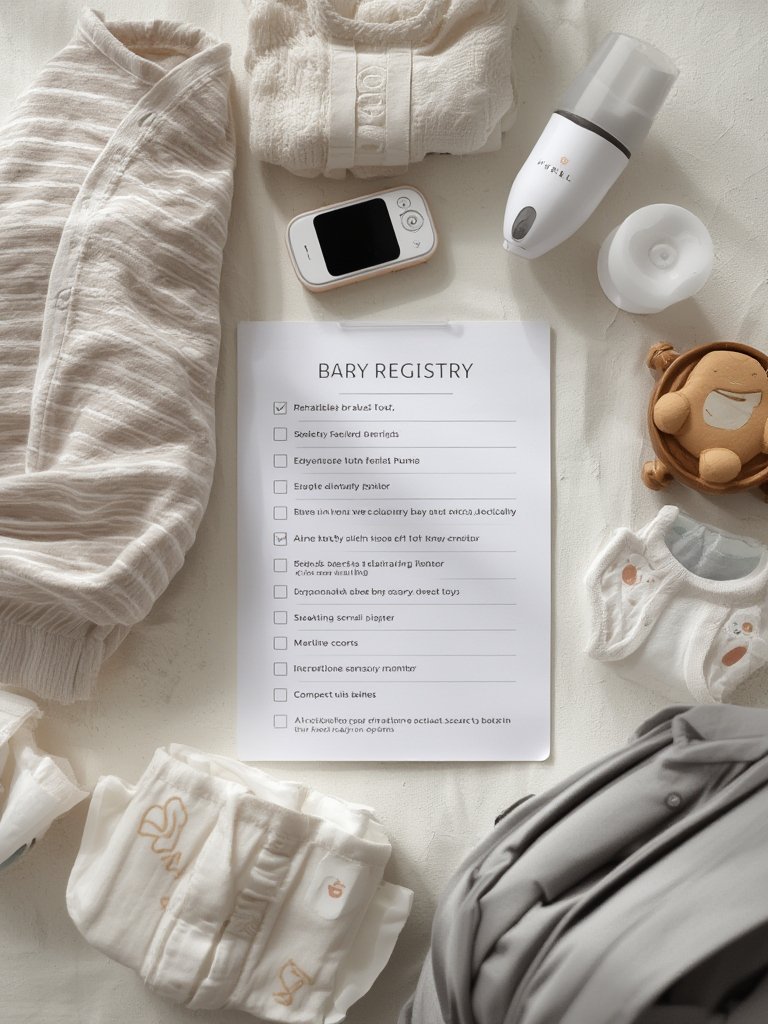
- Don’t Forget Basic Healthcare & First Aid
Add a digital thermometer, emery boards, nasal aspirator, saline, and infant acetaminophen. Review our baby thermometer guide for the latest digital options. - Revisit Before Your Baby Arrives
Finalize your list with practical feedback from other parents, and remove extras unless you have a clear use. Stay flexible; you’ll adjust after birth as real needs emerge.
One last registry hack: many top strollers come bundled as travel systems, which can simplify your list and save on costs. Explore our stroller travel system guide for tips.
For item costs, expect to spend $8–$30 for a quality thermometer and around $6–$10 for infant medication (source). Prices on big items vary, so split costs across family and friends using group gifting tools common on Amazon or Target registries.
Advanced Analysis & Common Pitfalls: Avoiding Baby Registry Mistakes
No registry is perfect. Here’s what most new parents wish they’d known before baby arrived – and what the latest research suggests as top pitfalls:
- Overbuying: Clutter and the stress of too many unused “nice to haves.” Stick to the essentials and stay nimble.
- Stockpiling One Diaper Size: Babies outgrow newborn sizes fast — you’ll end up with piles of leftovers. Add mid-sizes and use registry discounts once you know what fits.
- Missing Basics: Parents forget burp cloths, extra sheets, a nail file (emery board), or an accurate thermometer. These are often urgent in the first days home. Check our complete newborn essentials guide for a recap.
- Poor Sleep Prep: Many skip a second or third fitted sheet, or misunderstand safe sleep practices. Never add blankets, bumpers, or wedges in a newborn’s sleep space — see our detailed sleep sack guide for current advice.
- Outdated or Unsafe Gear: Using expired car seats or “hand-me-down” mattresses increases safety risks. Always check certifications and replace when recommended.
| Registry Must-Have | Purpose | Current Safety Note (2026) |
|---|---|---|
| Rear-facing car seat | Safe transit from birth | Check expiration; only buy new or from trusted source |
| Crib or bassinet | Safe sleep environment | New mattress for each child; skip bumpers and plush bedding |
| Digital thermometer | Health monitoring | Choose rectal or ear thermometer for best accuracy in newborns |
| Bottles and brush | Feeding (breast or formula) | Replace nipples every 2 years; consider anti-colic models |
| Sleep sack/swaddle | Safe sleep warmth | Never add loose blankets; use approved sleep sacks |
| Multiple fitted sheets | Hygienic bedding change | Essential for managing spit-up and diaper leaks |

As you prepare your own list, continually check for product recalls and keep up with updated regulatory guidance. For car seat rules and best practices, see our full car seat safety guide.
If you’re deciding between the major registry platforms, know that each offers different perks (discounts, easy returns, completion discounts). Compare costs and features with real priorities in mind — not just freebies or “registry swag.”
Conclusion: Bringing It All Together
The best baby registry in 2026 is focused, up-to-date, and genuinely useful to your family. Curate your list to 20 to 30 baby registry must haves 2026 that address safety, comfort, and true daily needs. Review guidelines frequently and update your registry for each new baby. Ready to get started? Compare leading platforms, get advice from your pediatrician, and revisit our guides whenever you need practical help.
Start your smart registry today! Confidently choose only the gear you’ll truly use—your future self (and your baby) will thank you.
FAQ: Baby Registry Must Haves 2026
What are the absolute essentials for a 2026 baby registry?
Core items include a rear-facing car seat, new crib with mattress, fitted sheets, sleep sacks, baby monitor, diapers and wipes, bottles, and basic health supplies. Skip extras unless you know you’ll need them.
Should I buy big-ticket items like high chairs before birth?
No. Most high chairs, swings, and activity mats can be added 3–6 months after birth. Focus on essentials you’ll use immediately, then add on as baby grows.
Can I use a used crib mattress or car seat for my second baby?
Experts and the AAP recommend a new mattress for each baby and only using car seats within their expiration window to ensure safety.
How do I avoid common registry regrets?
Start small — build a core registry, get flexible gift cards, and skip single-use gadgets. Review safety guidelines and talk to experienced parents for ideas on what you’ll really use daily.
What if my registry platform doesn’t offer my preferred brands?
Consider using more than one registry, or opt for a universal registry option like Babylist, which lets you add items from any retailer.