

Baby teething gel is a go-to solution for parents desperate to soothe their baby’s aching gums—but new research reveals that it’s not as simple or safe as many believe. Choosing the safest and most effective remedy is crucial, especially with updated warnings from pediatric experts and the FDA.
Key Takeaways
- Most baby teething gels—natural or medicated—raise safety concerns based on 2024 clinical data.
- Regulatory agencies strongly warn against benzocaine or lidocaine-containing gels due to serious side effects in infants.
- Herbal-based teething gels may be safer, but their effectiveness and mechanisms are not fully understood.
- What Are Baby Teething Gels and Why Are They Controversial?
- How to Choose and Use Baby Teething Gel Safely: Step-by-Step
- Advanced Analysis & Common Pitfalls
- Summary and Safe Next Steps
- Frequently Asked Questions
What Are Baby Teething Gels and Why Are They Controversial?
Baby teething gels are topical remedies designed to soothe gums and reduce discomfort as a baby’s teeth come in. These products typically contain local anesthetics like benzocaine or lidocaine, hyaluronic acid, or herbal ingredients. Parents often reach for teething gels hoping for quick relief, but clinical studies have raised significant safety and effectiveness concerns.

2024 research published in BMC Oral Health found increased toxicity of anesthetic-containing gels (like lidocaine) at higher concentrations, with some brands showing especially negative cellular effects. Another study reviewing six top teething gels discovered that even natural and herbal-based formulations can present safety risks, albeit typically less pronounced than those containing strong anesthetics.
Federal agencies including the FDA and resources like Mayo Clinic strongly advise against using topical teething medicines due to risks such as heart complications, seizures, or severe allergic reactions. Homeopathic gels are also cautioned against, sometimes for containing dangerously high doses of certain compounds.
If you’re looking for safe teething relief, it’s critical to understand both the potential benefits and major drawbacks associated with baby teething gels. These issues go far beyond just choosing a brand at your local drugstore.
How to Choose and Use Baby Teething Gel Safely: Step-by-Step
Making an informed decision about baby teething gel requires careful research, awareness of the latest regulations, and consideration of non-gel alternatives. Here’s exactly how to approach it:
- Check What’s in the Gel: Closely examine the ingredient list. Avoid gels with lidocaine or benzocaine—both are linked to life-threatening side effects and are explicitly warned against by the FDA.
- Research Brands for Clinical Data: According to a 2024 study, Buccotherm Teething Gel had the lowest cytotoxicity, while products like Aftamed and some anesthetic gels caused the most cellular harm. Herbal gels may be safer but are not guaranteed risk-free.
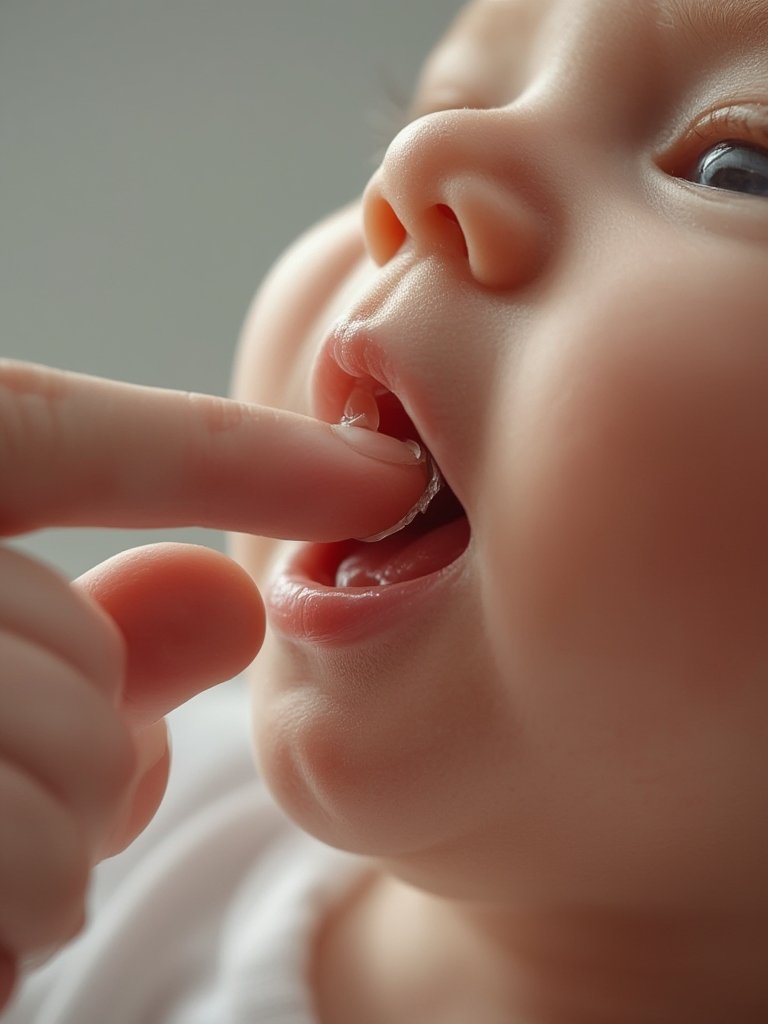
- Respect Age Guidelines (or Lack Thereof): Regulatory bodies are moving away from recommending topical gels for infants entirely. The safest approach is rubbing your baby’s gums with a clean finger or cool spoon, or using a safe teething ring. Traditional use-case scenarios for teething gels are being phased out.
- Start Small—and Monitor Closely: If you and your doctor still decide on a gel, use the tiniest amount possible, apply with a clean finger, and watch for any side effects like rash, swelling, or labored breathing.
- Consider Herbal Gels: Herbal-based gels like Hyland’s Baby Organic Soothing Gel or Buccotherm showed lower toxicity in studies, but effectiveness is not always proven and reactions may still occur.
- Prioritize Non-Gel Relief: Use safe objects for chewing (like rubber teething rings), and simple gum massage—a technique supported by both the Mayo Clinic and top pediatricians.
- For broader baby safety advice, see our practical tips on toddler bed safety and crib safety tips.
- If you want an all-in-one view of baby care options, check our baby care and parenting guide.
- Concerned about chemicals in products? Our organic baby skincare overview covers low-irritant alternatives.
- Looking for innovative solutions to comfort your child? Explore the safety aspects of a smart baby monitor for peace of mind during teething and beyond.
- For help organizing your nursery, check our toy storage ideas for kids’ rooms.
Advanced Analysis & Common Pitfalls
New parents often assume all baby teething gels are similar and safe, but side effects, lack of efficacy, and misleading marketing make the landscape more complicated.
| Gel Type | Main Ingredients | 2024 Research Safety Profile | Regulatory Guidance | Realistic Downsides |
|---|---|---|---|---|
| Medicated (Lidocaine/Benzocaine) | Lidocaine, Benzocaine | High cytotoxicity, increased risk at higher concentrations [source] | Strictly discouraged by FDA and AAP; may cause heart, brain, or breathing emergencies | Serious side effects, possible hospitalization, rarely any benefit for teething relief |
| Hyaluronic Acid-Based | Hyaluronic Acid, PVP | Varying cytotoxicity; some brands (e.g. Aftamed) showed highest toxicity [source] | No official pediatric recommendation; limited data on effect | Not necessarily safer than drugs, potential for unknown cell harm |
| Herbal/Natural | Botanical Extracts (e.g. Chamomile, Thyme, etc.) | Lowest cytotoxicity (Buccotherm, Hyland’s) but no proven efficacy [source] | Cautiously permissible, but lack of research makes efficacy unclear | Possible allergic reaction, cost, not all natural equals safer |
| Homeopathic | Highly diluted plant/chemical compounds | Some risk of inaccurate dosing (e.g. belladonna toxicity) | Warned against by Mayo Clinic and FDA [source] | Unpredictable dose, rare but severe intoxication, questionable benefit |
Common Pitfalls and How to Avoid Them:
- Using incorrect dosage: Over-application can result in toxic effects even from “natural” gels.
- Trusting labels alone: “Natural” and “herbal” do not guarantee efficacy or absolute safety. Data on pain relief mechanism are lacking.
- Ignoring changing guidelines: Many parents are not aware that gels previously considered standard are now discouraged for anyone under age 2.
- Ordering products internationally: Some teething gels sold online do not meet local safety regulations and may contain banned substances.
- Forgetting holistic care: Address teething discomfort alongside overall sleep hygiene, feeding routines, and safe environment tips. See our guide to baby sleep regression for more strategies that go hand-in-hand with teething relief.

Coverage gaps persist: Parent-reported complaints, cost comparisons, and ingredient-specific pain relief mechanisms are still not fully addressed in the 2024 literature. Bearing these factors in mind helps avoid common traps parents fall into.
Summary and Safe Next Steps
In summary, the promise of fast relief from baby teething gel has not held up under scientific and regulatory scrutiny. Modern research paints a more cautious picture—most gels, including some herbal and hyaluronic acid-based types, can pose risks. Federal health agencies now recommend simple options like gum massage, chilled teethers, and avoiding topical gels altogether.
Before reaching for any teething product, speak with your pediatrician and look up the latest recommendations. Consider reading our comprehensive parenting and safety guides—for example, on digital baby thermometers and safe mineral sunscreen. For a full library of evidence-based child health content, explore MotherChild Connection home.
Concerned about a specific symptom or product? Don’t wait—contact your healthcare provider for safe, up-to-date advice.
Frequently Asked Questions
Is baby teething gel safe for infants under six months?
No. Most health organizations and the FDA now advise against using any topical teething gel on infants—especially those under six months—due to risk of overdose, serious side effects, and lack of proven benefit.
Are natural or herbal teething gels safer than medicated ones?
Herbal gels may have lower toxicity but are not risk-free. Allergic reactions or unknown effects can occur, and clinical proof of pain relief is lacking. Always introduce with caution and discuss with your pediatrician first.
What is the safest way to soothe teething pain?
The safest options are gum massage with a clean finger, supervised chewing on a chilled (not frozen) teething ring or wet washcloth, and supporting healthy sleep and feeding routines. These avoid drug side effects and meet pediatric recommendations.
Why has the FDA warned against benzocaine and lidocaine teething gels?
Benzocaine and lidocaine can cause life-threatening reactions in infants, such as methemoglobinemia (a blood disorder), seizures, breathing problems, or even death. The FDA and pediatricians now recommend never using these in babies for teething.
Do homeopathic teething gels work?
There is no high-quality evidence of efficacy for homeopathic teething gels. In some cases, unlisted ingredients like belladonna have resulted in dangerous overdoses. Both the FDA and Mayo Clinic warn against their use.