

Baby walker selection and use are top concerns for parents focused on child development and safety, especially as new models debut and global sales trends shift. Whether you’re shopping for the first time or reconsidering your approach, understanding the essentials can help you make the right choice for your growing child.
Key Takeaways
- The baby walker market is rapidly evolving with innovative stationary models and interactive features focused on safety and skill-building.
- Asia-Pacific leads global growth, but North America has the highest revenue due to premium models and disposable income.
- Lack of specific updated safety standards in 2024 means parents should pay close attention to current best practices when choosing a walker.
- Understanding Baby Walkers: What and Why
- Step-by-Step Guide to Choosing and Using a Baby Walker
- Advanced Analysis & Common Pitfalls
- Conclusion
- Frequently Asked Questions
Understanding Baby Walkers: What and Why
Baby walkers are support devices designed to help babies, typically between 6 and 18 months, move around independently while developing coordination and motor skills. The global baby walker market, valued at roughly USD 1.05 billion in 2023, is projected to grow 5.5% annually, reaching up to USD 1.53 billion by 2030. These numbers are driven largely by high birth rates in Asia-Pacific regions plus consistent demand in North America and Europe. [source]
Parents often turn to baby walkers for developmental support and entertainment, but it remains crucial to balance their potential benefits with safety and developmental recommendations.
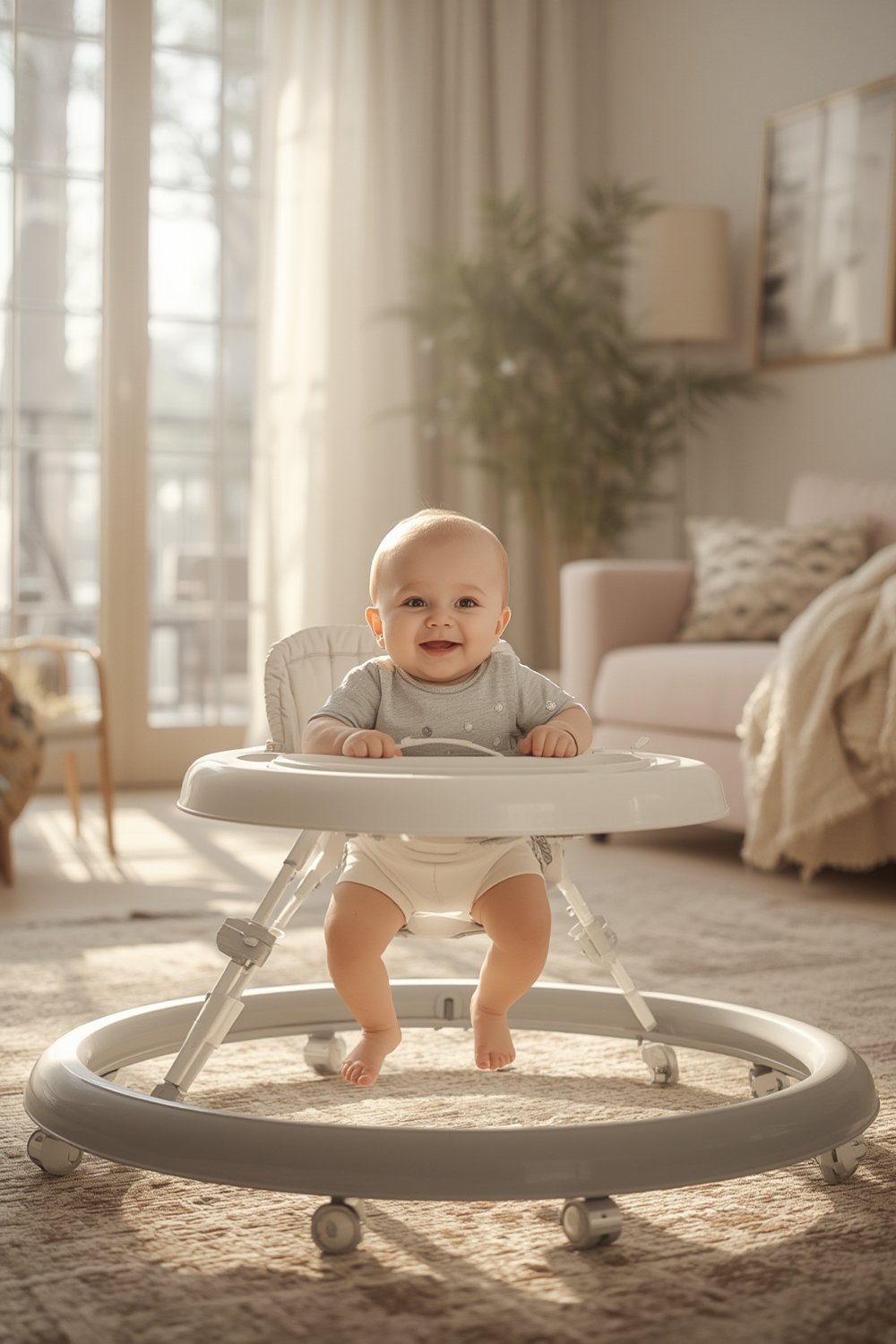
Unlike older models, the newest walkers emphasize stationary bases and interactive play panels. These are designed to improve motor and cognitive skills while reducing fall or injury risk. Leading brands include Chicco, Fisher-Price, and Joovy—with wooden baby walkers gaining top sales market share due to durability and safety appeal. [source]
Choosing a walker now means considering materials, adjustability, ease of cleaning, and value for price. For a deeper dive into parallel growth trends and baby development, see our baby milestones guide.
Step-by-Step Guide to Choosing and Using a Baby Walker
Making an informed decision when purchasing and using a baby walker requires practical steps and awareness of features that support skill development and prioritize safety.
- Assess Your Baby’s Readiness
Most babies show signs of readiness—such as sitting up unaided and stable neck control—between six and ten months. Do not rush use if your baby cannot sit or stand with support. - Choose Good Materials
Plastic and metal are common, but wooden baby walkers are popular for their eco-friendliness and robust build. They often outlast their plastic peers and are less likely to tip. - Prioritize Safety and Adjustability
Look for walkers with non-slip pads, brakes, and adjustable height settings. Remove obstacles and ensure your home is baby-proofed with gates and soft surfaces (see how to set up a safety gate). - Opt For Stationary Walkers When Possible
The latest models emphasize stationary play centers with interactive toys. This design shift is prompted by safety concerns and developmental research. [source] - Engage With Interactive or Smart Features
Many 2024 models include sound, lights, shape sorters, and even bluetooth/smart tracking as part of cognitive development features (the smart walker segment is projected at $500 million in 2025 and growing fast [source]). - Supervise Play Sessions
Never leave a baby unattended in a walker, even for a few moments. Limit walker sessions to 10–15 minutes and always monitor for tiredness or distress. For healthy development patterns, see our child development guide. - Maintain and Clean Regularly
Check regularly for loose screws and removable parts. Clean with a mild, non-toxic detergent, especially on teething features—learn about safe cleaning products.
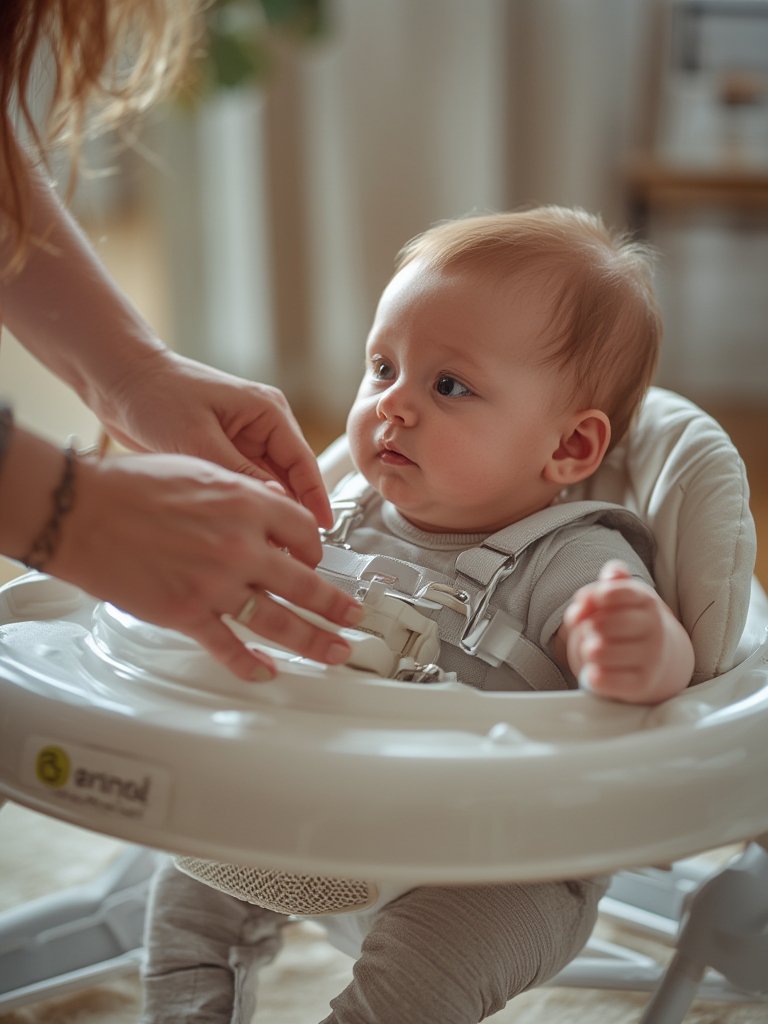
Finally, remember that walkers can supplement play but should not replace tummy time, crawling or stationary activity. For more on how babies transition to walking, see our crawling milestone article.
Advanced Analysis & Common Pitfalls
Despite growing popularity, baby walkers are not without challenges. The lack of updated global safety standards (as of 2024) means that families need to be especially proactive in research and supervision. According to recent research, safety regulations are changing but not yet consistently implemented across regions. [source]
Below is a comparison of traditional mobile walkers and newly popular stationary models:
| Feature | Traditional Mobile Walker | Stationary/Interactive Walker (2024 models) |
|---|---|---|
| Mobility | Moves freely on floor, often with wheels | Minimal movement, stationary base |
| Safety | Risk of falls, tip-overs, access to hazards | Reduced fall risk, less exposure to hazards |
| Developmental Support | Allows movement, but may delay crawling | Focuses on motor skills, interactive play |
| Smart Features | Rare or basic (sound, lights) | Smart sensors, tracking, advanced interactivity |
| Price Point | Often lower; varies by region | Higher (especially smart models) |
Common pitfalls include:
- Assuming all walkers are equally safe—older or budget models may lack updated safety features or stability.
- Overuse—excessive time in a walker may delay crawling and walking milestones.
- Purchasing based only on brand or appearance; it’s important to check independent safety certifications and actual product design.
- Not taking advantage of home safety solutions like baby gates and soft flooring (see baby-proofing tips).
- Not diversifying play—walkers should be just one of many activity options. Learn about safe baby toys as alternatives.
Conclusion
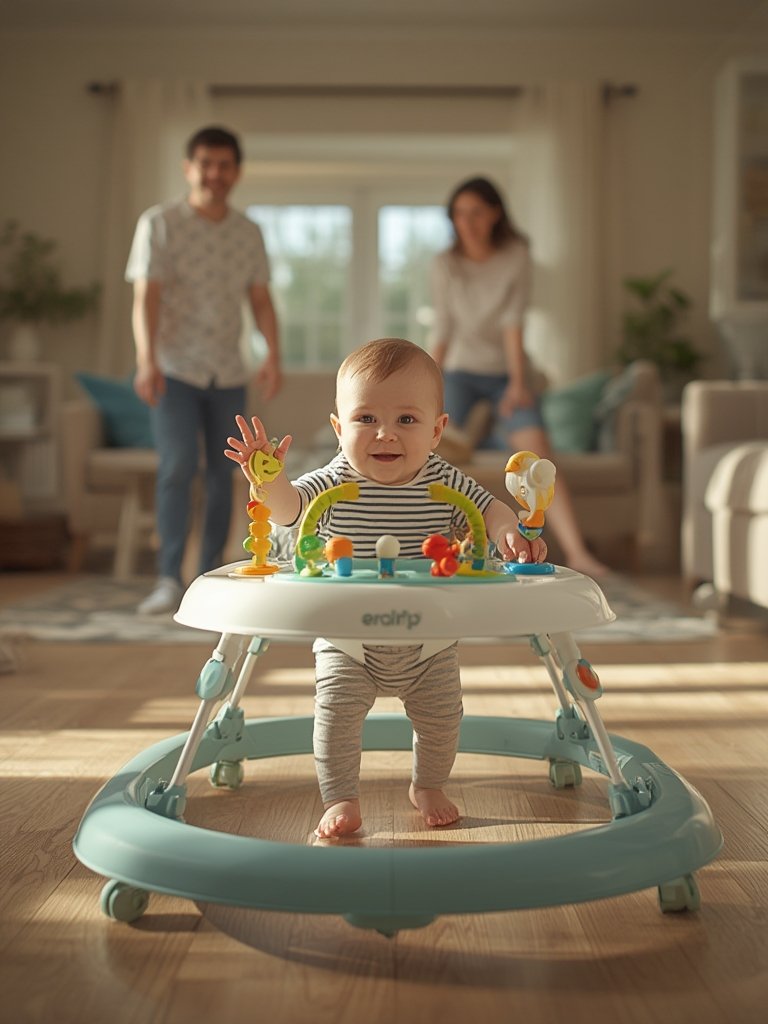
The modern baby walker market is shaped by both innovation and caution. Whether you choose a stationary smart walker or a classic wooden model, remember that informed supervision and a balanced approach are key. Always evaluate new product features, check for up-to-date safety, and diversify activity options for healthy growth. When considering a baby walker, prioritize what supports your child’s safety, development, and happiness first.
Ready to learn more? Review crawling timelines or browse smart storage tips for safer, tidier nurseries. Choose wisely and support your child’s early milestones with confidence.
Frequently Asked Questions
What age is appropriate for a baby walker?
Most babies are ready between 6 and 10 months, provided they can sit up unassisted and have solid neck strength. Always consult your pediatrician for guidance.
Are stationary baby walkers safer than mobile models?
Yes, stationary baby walkers are generally safer because they reduce risks of falls and unintentional access to unsafe areas. They are designed to offer interactive play without fast movement.
How can I make my home safer when using a baby walker?
Install baby gates, remove potential obstacles, and use non-slip mats. Keep the walker in sight and never use it near stairs, doors, or kitchens. Learn more at this guide to safety gates.
Do baby walkers help or hinder walking development?
Using a walker briefly and with supervision can be entertaining, but overuse may actually delay crawling or walking. Always balance with floor play and tummy time.
How can I choose a safe baby walker?
Look for models with wide, stable bases, locking wheels or pads, adjustable height, non-toxic materials, and confirmed safety certifications. Stationary or wooden walkers offer added safety.