

Baby white noise machine use has soared as parents search for realistic, safe ways to help infants sleep—but the science, device design, and safety rules aren’t always clear. If you’re considering a baby white noise machine, read on for a complete, evidence-driven breakdown, including honest insights and actionable tips with zero sugarcoating.
Key Takeaways
- Low-intensity white noise machines may modestly improve infant sleep but must be used cautiously for safety and normal development.
- Correct distance, volume limits, and choosing the right sound type are critical—don’t assume any setting is safe by default.
- Balanced use, with plenty of speech and natural sound when baby is awake, ensures benefits do not come at a hidden developmental cost.
- What Is a Baby White Noise Machine—and Why Do Parents Use Them?
- How to Use a Baby White Noise Machine: Step-by-Step for Safe, Effective Sleep
- Advanced Analysis & Common Pitfalls: What Most Parents Get Wrong
- Conclusion
- FAQ
What Is a Baby White Noise Machine—and Why Do Parents Use Them?
A baby white noise machine is a device designed to play continuous, soothing background noise—usually white, pink, or brown noise, or gentle nature sounds. The main reason parents use these is to help their infant fall asleep faster and stay asleep by masking environmental noises, mimicking the consistent “whoosh” of sounds a baby heard in the womb. Scientific studies from 2023 and 2024 confirm that short-term, low-volume white noise can modestly decrease crying and reduce sleep onset time, though results are based on relatively small trials and not all babies benefit equally. The key mechanism is noise-masking; these machines do not change a baby’s sleep “architecture,” but help prevent waking from sudden, outside sounds—especially in apartments or noisy family homes.
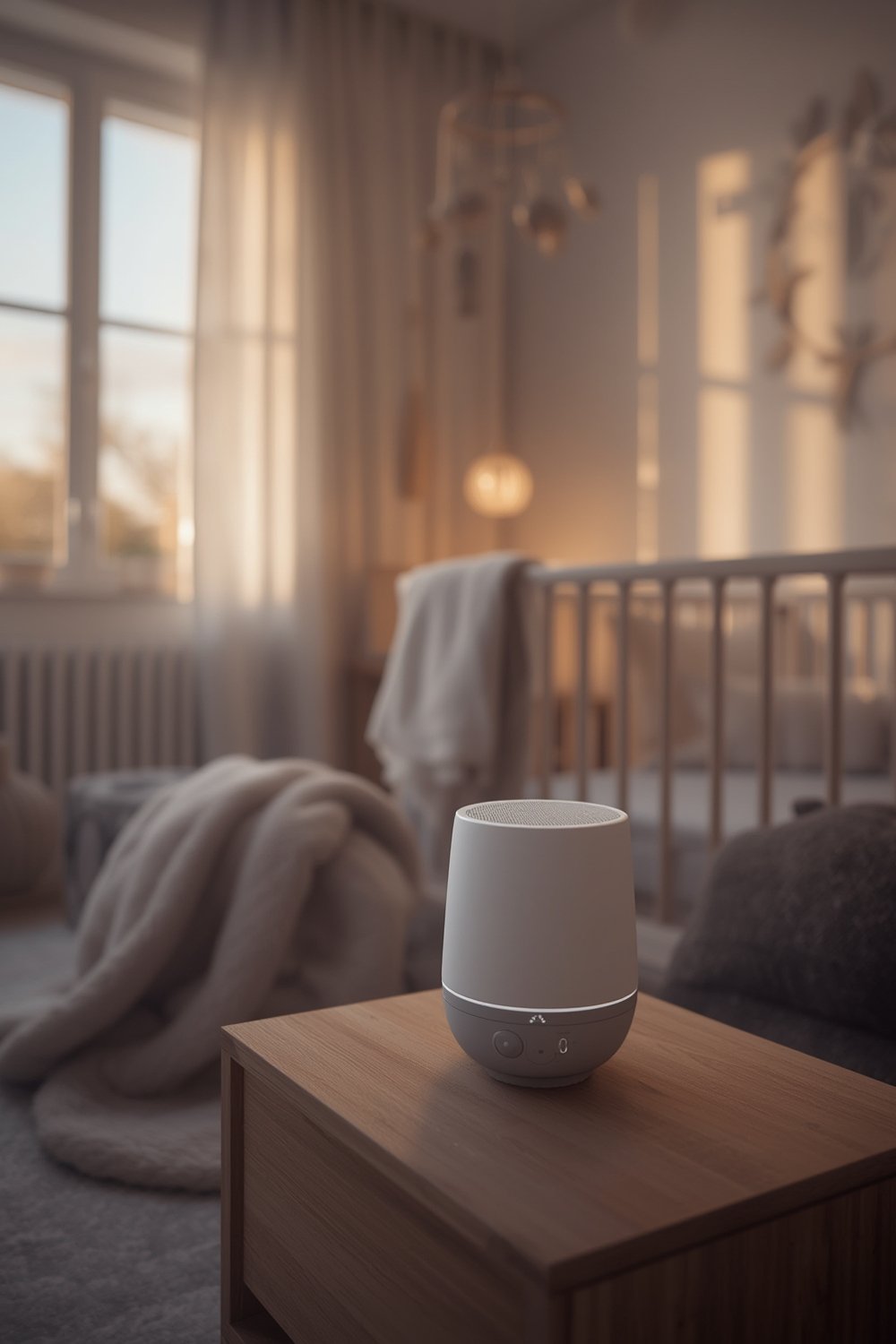
Most devices on today’s market range from $15–$200 and offer options like steady noise, heartbeat tracks, lullabies, and dimmable night-lights. Brands such as Hatch, Yogasleep, and Dreamegg are especially popular. While these features seem convenient, effectiveness hinges on using the right settings and placement—and following strict guidelines to protect hearing and normal speech development. Recent safety statements from the AAP warn that improper use (such as setting machines too close or too loud) can potentially damage hearing, while always-on play or the wrong sound choices can interfere with language mapping in the brain. Used right, white noise machines are a valuable tool; used wrong, they carry avoidable risks.
How to Use a Baby White Noise Machine: Step-by-Step for Safe, Effective Sleep
- Choose the Right Device: Pick a machine with adjustable volume (not just “high/low”), multiple sound options (steady white, pink, or brown noise vs. variable nature sounds), and a basic dB reference if possible. Avoid those with only one loudness or unclear labeling.
- Set the Optimal Placement: Place the machine at least 2 meters (6–7 feet) from your baby’s crib. Never put it directly on, under, or attached to the crib or mattress—even if the built-in cord or clip “fits.” Aim the speaker away from baby’s ears and toward a wall for a more diffused, gentle sound.
- Adjust Volume Correctly: Start at the lowest setting and stand where baby’s head will rest. Use a smartphone decibel meter app (if the machine doesn’t display dB) to check that the sound at the crib is below 50–60 dB. If unsure, err on the side of quieter—it should barely mask your normal conversation from that distance.
- Pick a Consistent, Non-Disruptive Sound: For sleep, opt for steady broadband noise—white, pink, or brown noise—over “nature” sounds with unpredictable peaks (crashing waves, thunder, chirping birds). Avoid musical tracks for very young babies or if they seem alerting.
- Use Only During Sleep Periods: Run the machine at naps and bedtime only; always turn it off when your baby is awake. Provide rich exposure to your speech and natural home sounds during waking hours.
- Monitor and Reassess Regularly: As your child grows, check if the white noise is still needed. Gradually lower volume or distance as sleep improves or if your baby seems less sensitive to background noise.
- Maintain & Use Safely: Check cords, outlets, and night-light features for excess heat or potential hazards. Ensure battery-operated units are charged but not placed under blankets or pillows where heat can build up.
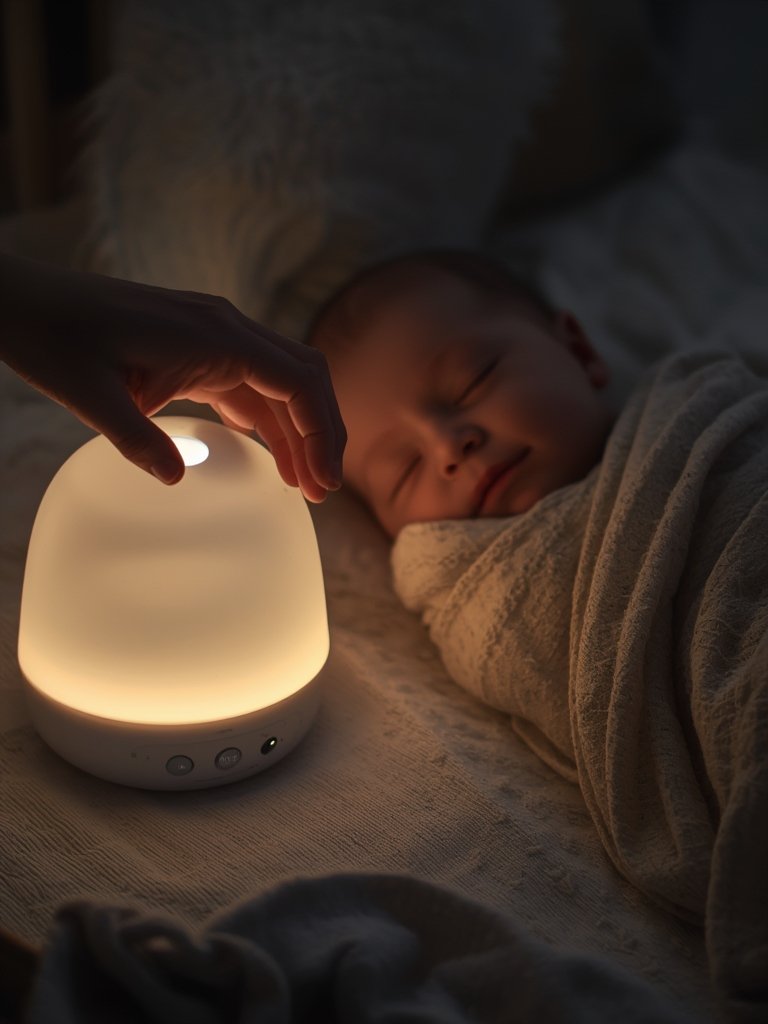
For night-lights, use the dimmest possible amber setting. If you’re struggling with baby grabbing or knocking over the machine, try wall-mounting it high and out of reach, or use portable units clipped onto shelves instead of rails. Never rely solely on manufacturer claims; follow guidance from organizations such as the AAP and CDC and carefully observe how your baby responds.
Looking to layer sleep safety beyond white noise? This guide to safe toddler beds and sleep environments offers extra tips for the whole nursery setup.
Advanced Analysis & Common Pitfalls: What Most Parents Get Wrong
Despite their popularity, baby white noise machines come with challenges and frequent user complaints:
- Some models, even at mid-range prices, can produce noise levels that unintentionally exceed safe thresholds—especially if placed too close or set to “max.”
- Many machines lack clear decibel labeling, making it tough for parents to feel confident about safety.
- Reliability is a repeated issue. Cheap models may break, lose settings after each use, or randomly shut off mid-nap—disrupting both baby’s and parents’ sleep.
- Annoying looping sounds or harsh tracks can disrupt sleep more than they help, especially for light sleepers.
- Devices with only Wi-Fi/app controls sometimes fail if your phone dies, the app crashes, or your home network goes down. Some parents dislike having more EMF or microphones in the nursery, even if evidence for harm is lacking.
- Night-lights can be either too bright, oddly colored, or are not dimmable—interfering with the brain’s cues for night vs. day.
- Over-reliance: Using white noise all day, or as a substitute for interactive engagement, may risk slowing normal auditory “map” development in the infant brain, according to emerging research.
Table: Buyer Complaints Versus Expert Solutions
| Common Complaint | Expert-Backed Solution |
|---|---|
| No decibel display—what’s safe? | Use a phone dB meter app to measure at baby’s head. Keep <50–60 dB. |
| Abrupt/short audio loops wake baby | Pick machines with long, seamless noise tracks or true continuous generation. |
| Machine resets to default each time | Select models with “last setting memory” (not just smart features). |
| Night-light too bright/interferes with sleep | Choose warm, amber, fully dimmable lights; use blackout curtains if needed. |
| Long-term use = language delay risk? | Limit use to sleep; offer rich speech, music, and real-world sounds when awake. |
| Portability for travel but unreliable power | Portable units with USB charging; test battery life on short naps before travel. |
Not sure if white noise is the main culprit behind disrupted sleep? Some sleep setbacks are linked to normal cycles—check this practical guide to baby sleep regressions for other causes and relief strategies.
One widely overlooked risk is that many guides do not break down exactly how to measure distances or manage device frequency output. The best machines will offer several sound “colors” and a broad range of volume controls with tactile (not just app-based) adjustment. For more detail on the full nursery setup—including safe toy and cord management—see nursery toy storage and organization strategies.
Lastly, developmental experts now recommend parents alternate between different, structured soundscapes during sleep and rich, unpredictable sound (your voice, household activities, music) during waking. This supports both restful sleep and robust language skills. For a deeper dive on optimizing milestones beyond sleep, check the baby development essentials guide.
Conclusion
Baby white noise machines are a helpful addition to your sleep toolbox—but only when used with attention to science, safety, and long-term development. Place the device far enough away, keep the volume low, and use sleep-only routines that leave ample room for parental interaction and real-world sounds. Prioritize steady, broadband noise over unpredictable tracks, pick brands with good safety features, and always reassess your approach as your child grows.
Ready to take action? Start by reviewing your current setup. If you’re shopping, choose a device that lets you precisely control sound and light, and remember—less is often more when it comes to volume. For a well-rounded nursery, pair your sound strategy with safe sleep and development goals. Want help optimizing for baby care beyond sleep? Visit our baby development resource or read up on organic baby skincare next. Protect your baby’s hearing and give yourself peace of mind—the right baby white noise machine can support the restful nights every family needs.
FAQ
Is it safe to use a baby white noise machine every night?
Yes, with precautions: keep the device at least 2 meters from the crib, at low volume (under 50-60 dB), and use only for sleep periods—not all day. Limit total daily exposure to promote normal speech development.
What is the best type of sound for infants—white, pink, or brown noise?
Steady, broadband noise like white, pink, or brown works best for masking environmental sounds. Many experts and parents prefer pink or brown noise, which are less harsh than pure white noise. Avoid tracks with sudden loud elements or frequent peaks.
Can a white noise machine delay my baby’s language development?
When used correctly—at sleep only, and with plenty of talk and music exposure during waking hours—there is no evidence of harm. Continuous, round-the-clock use has been linked to possible risks, so always turn it off when baby is awake.
How do I know if my white noise machine is too loud?
Use a free phone dB meter app to measure the sound level at your baby’s resting spot. Adjust until readings stay below 50–60 dB. If in doubt, choose the lowest setting that still masks abrupt noises.
Are there any recalls or safety concerns with popular brands?
No major recalls for noise exposure alone were listed in 2023–2024, but some models can exceed safe decibel levels at close range or on maximum volume. Always follow placement and volume guidelines regardless of brand.
[…] night pumping is part of your routine, consider using a baby white noise machine to help settle your newborn while you finish your […]
[…] It’s also smart to combine baby sound sensors with a digital thermometer or safe baby sound machines as part of an overall sleep strategy. See our research-based recommendations in the guide to baby thermometers and baby sound machines. […]