

Best toys for babies 6-9 months are more than just entertainment—they’re essential tools for strengthening muscles, developing grasp, and supporting early learning. Parents often struggle to choose safe, engaging, practical toys for this critical developmental stage. Let’s break down what really works, address common mistakes, and offer realistic advice backed by recent expert insights.
Key Takeaways
- Toys supporting fine motor skills and core strength drive real progress in babies 6-9 months old.
- Prioritize easy-grip, non-toxic, and easily washable toys to align with safety and developmental needs.
- Not all toys are created equal—common pitfalls include choking hazards, poor fit, and short attention spans.
- Understanding Toys for Sitting and Grasping: The Core Concept
- How to Choose the Best Toys for Babies 6-9 Months: A Step-by-Step Guide
- Advanced Analysis & Common Pitfalls of 6-9 Month Baby Toys
- Conclusion
- Frequently Asked Questions
Understanding Toys for Sitting and Grasping: The Core Concept
For babies aged 6-9 months, the right toys aren’t just fun—they lay the groundwork for gross and fine motor milestones. This is a phase when babies are learning to sit up with or without support and master grasping objects of different shapes and sizes. Toys that encourage reaching, grasping, shaking, and pressing directly advance muscle growth and coordination. Those that offer textures, resistance, and opportunities for pushing, spinning, or cause-effect play, are best for this developmental window. Expert reviews consistently note that sit-at toys, soft blocks, and easy-grip rattles keep babies motivated as their control and curiosity grow.
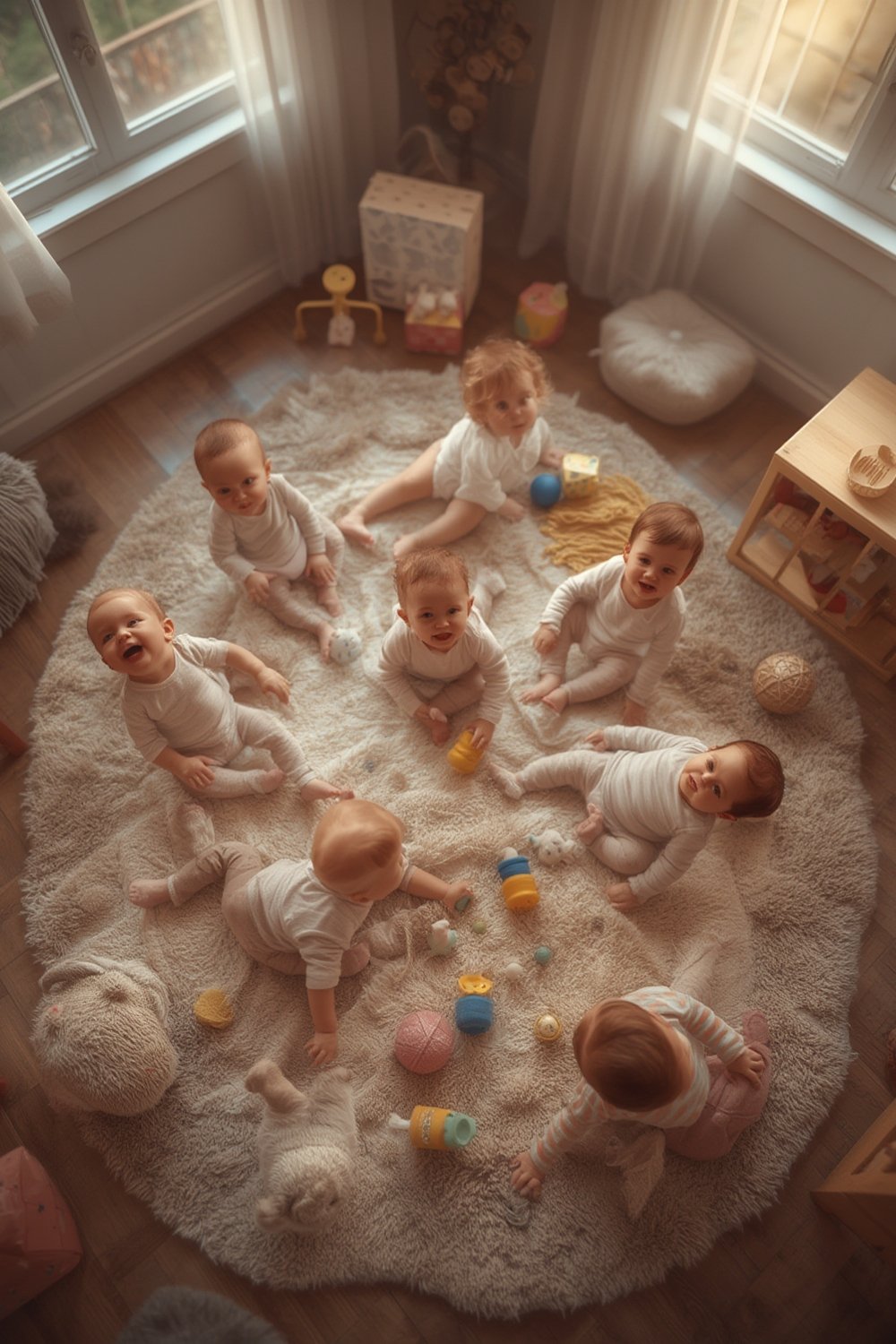
Popular choices like activity seats, O-Ball rattles, textured pop-up toys, and Montessori spin drums stand out for blending safety and sensory stimulation. While research in 2024 hasn’t surfaced brand new findings, child development experts highlight steady progress through hands-on play with quality materials. For parents new to this age group, get familiar with signs of readiness—such as sitting for a few seconds unaided or transferring objects between hands. Safety, durability, and engagement are your priorities. For long-term organization and toy rotation aging with your baby, check out our toy storage guide.
How to Choose the Best Toys for Babies 6-9 Months: A Step-by-Step Guide
- Assess your baby’s skill level. Can they sit with support? Are they batting or grabbing objects intentionally? Knowing the stage helps narrow which toys (e.g. tummy time vs. upright seats).
- Look for easy-grip designs. Babies this age need toys with holes, loops, or thin silhouettes for little fingers—options like O-Ball rattles or textured soft blocks make it simple to pick up and hold.
- Prioritize washable, safe materials. Babies experiment with their mouths; look for toys labeled BPA-free, phthalate-free, and meeting ASTM F963/CPSIA criteria, or those made from natural rubber or wood.
- Switch between textures and sensory experiences. Seek toys with crinkly fabrics, soft teething rings, silicone beads, or pop-up features to spark curiosity and develop senses.
- Offer toys that encourage sitting and reaching. Sit-at activity centers and pop-up toys prompt babies to stabilize themselves for longer stretches, strengthening core muscles—see the Bright Starts SuperSeat.
- Rotate toys regularly. Babies lose interest quickly. Swapping out groups of toys every few days keeps motor learning fresh and prevents boredom.
- Supervise all playtime. Even “safe” toys can have small fabric tags, loops, or detachable pieces. Stay close, especially during mouthing and tummy time exploration.
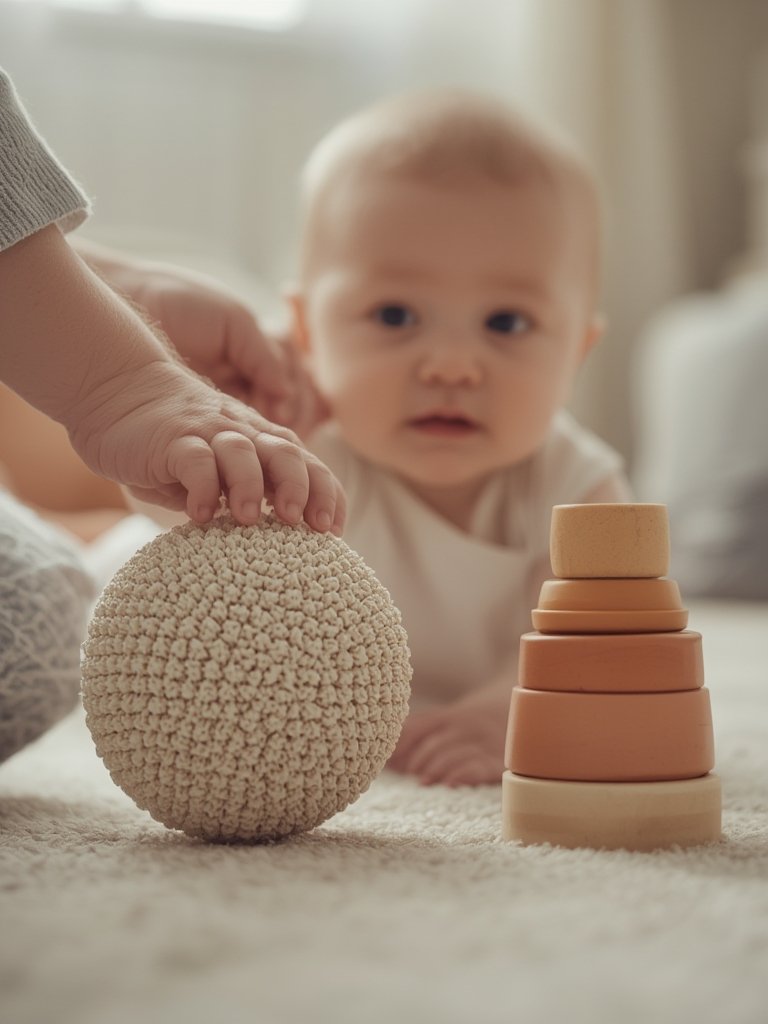
For more on ensuring every toy aligns with healthy development, visit our baby milestones guide. If you’re hunting for sustainable playthings or organic textiles, our baby clothes and gear resource has material safety tips. And if floor play is a focus, learn how to create a safe play zone with our foam play mat safety guide.
Advanced Analysis & Common Pitfalls of 6-9 Month Baby Toys
Not every toy is a winner—many popular choices have consistent parent complaints or cause frustration for babies and caregivers alike. Here are the real-world problems to consider:
- Choking hazards: Even large, soft toys sometimes have sewn-on or detachable pieces that babies can mouth. Fabric tags or stitched-in decorations are especially risky.
- Toy fit: Activity seats that are too lightweight or shallow may tip or fail to support larger babies. Always verify fit and weight limits.
- Short attention span: Plain wooden graspers or ring stackers can seem underwhelming. Babies at this age prefer toys that move, light up, or make noise.
- Reset time frustration: Pop-up and mechanical toys often need resets before the next use, interrupting flow and causing impatience.
- Costly but basic: Some high-end activity chairs and sets bring little more engagement than affordable rattles or wrist toys.
| Toy Type | Common Pros | Key Complaints |
|---|---|---|
| Soft Rattles / O-Ball | Easy to grasp, safe to mouth, inexpensive | Can roll out of reach or lose appeal quickly |
| Activity Seats | Supports upright sitting, stimulates fine motor | Too light or not deep enough for larger babies |
| Wooden Stackers | Sustainable, nontoxic, bite-safe | May seem small; limited interactive features |
| Grab-and-Pull Cloth Toys | Good for grasping, often machine-washable | Fabric pieces may pose inadvertent choking hazard |
| Pop-Up Toys | Teaches cause-effect, fun surprise element | Requires adult to reset; sometimes overpriced |
It’s not just about the toy—it’s about fitting your child’s size, skills, and curiosity. For playtime safety beyond toys (cribs, bumpers, beds), don’t miss our deep-dive on creating a safer sleep environment.
Conclusion
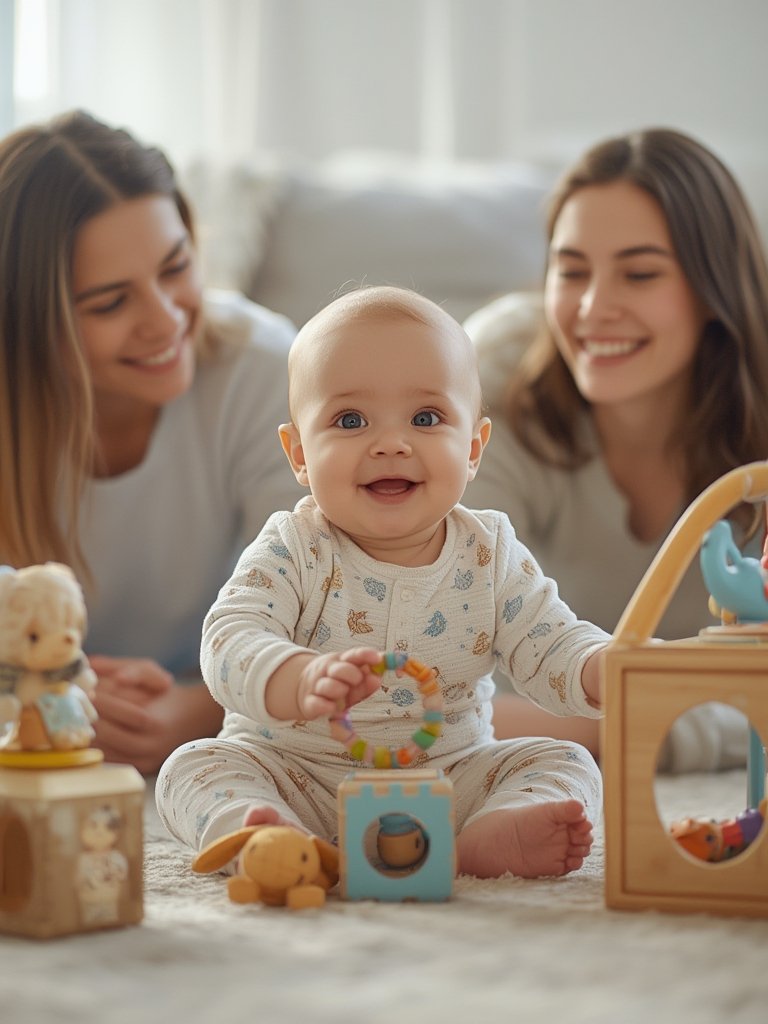
Finding the best toys for babies 6-9 months means balancing engagement, safety, and age-appropriate challenge. Focus on toys that stimulate sitting and grasping with thoughtful design, durable materials, and multiple sensory cues. Be realistic: there is no single “perfect” toy, but a small rotation of quality options will spark progress and joy. Ready to upgrade playtime and keep your baby safe? Explore our curated, up-to-date list of trending baby toys for the next stage—and be sure to check reviews, size guides, and certification details every time you buy.
Frequently Asked Questions
Are toys with lights and sounds safe for babies 6-9 months?
Toys with gentle lights and sounds can encourage engagement and learning. Choose options with volume control, avoid those with small parts, and supervise use to prevent overstimulation.
What certifications should I look for on baby toys?
Seek out toys that comply with CPSIA, ASTM F963 (USA), or EN71 (Europe) standards. Many top brands also use BPA-free, phthalate-free materials, and highlight these on packaging.
How many toys does my 6-9 month old really need?
Babies this age benefit from a small, rotated selection of 5-7 diverse toys. This avoids overstimulation, cuts clutter, and supports focused development.
What’s the best way to clean baby toys?
For plastic and silicone, use warm soapy water. Check if toys can go in the dishwasher. Fabric or plush toys are usually machine washable, but always check manufacturer guidelines.
How can I tell if a toy is a choking hazard?
If any part of the toy fits fully inside a toilet paper roll, it may pose a choking risk. Inspect toys regularly for loose seams, tags, or detachable pieces before handing them to your baby.