

Birthright citizenship change has become one of the most contested issues in U.S. policy since the release of Executive Order 14160. Parents, lawyers, and advocates are urgently seeking clarity on what the order really means for families and children born in the United States.
Key Takeaways
- Executive Order 14160 limits birthright citizenship to children with at least one U.S. citizen or lawful permanent resident parent, reinterpreting the 14th Amendment.
- Immediate lawsuits and injunctions challenge the order, with the Supreme Court reviewing the procedural—not constitutional—merits.
- Families risk facing documentation burdens, risk of statelessness, and exclusion from social safety nets if the order is enforced.
- Understanding the Birthright Citizenship Change
- Navigating the New Citizenship Determination Process
- Advanced Analysis and Common Pitfalls
- Conclusion
- FAQ
Understanding the Birthright Citizenship Change
Executive Order 14160, issued on January 20, 2025, redefines who qualifies for U.S. birthright citizenship. Instead of automatically granting citizenship to all children born on U.S. soil, the policy now requires at least one parent to be a U.S. citizen or a lawful permanent resident (LPR). Children with neither qualifying parent—such as those born to parents in the U.S. on temporary visas, or unlawfully present—are excluded. This executive action overturns more than a century of legal interpretation established in United States v. Wong Kim Ark, which previously affirmed citizenship for U.S.-born children regardless of parental status, so long as the parents were not excluded classes like foreign diplomats.

This shift carries sweeping implications: children born to parents on valid work or student visas (such as H-1B, L-1, or F-1) and those with undocumented mothers will need to prove eligibility for citizenship or risk falling into legal limbo.
The rationale behind the change is to stop perceived “birth tourism” and the creation of citizenship claims through illegal entry or temporary stay. However, the order’s interpretation of “subject to the jurisdiction thereof” in the 14th Amendment is highly contested and has triggered immediate legal, administrative, and social debates.
Navigating the New Citizenship Determination Process
For parents expecting a child in 2025 or later, understanding the new requirements is crucial for establishing a child’s citizenship and access to benefits. Here’s how families and legal guardians should proceed:
- Confirm Parental Status Prior to Birth: If at least one parent is a U.S. citizen or LPR, gather official documentation. If both parents are on temporary visas or undocumented, expect additional hurdles in establishing your child’s status.
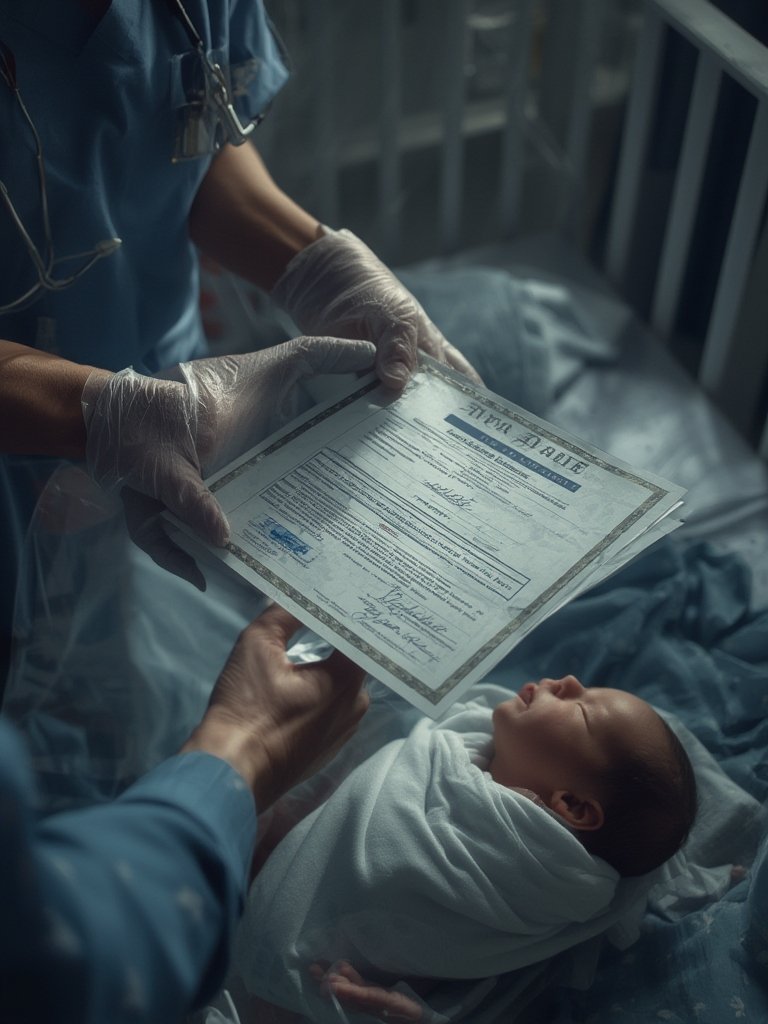
- At Birth—Documentation Review: Hospital-issued birth certificates are no longer sole proof of citizenship. Parents may need to present evidence of their own citizenship or immigration status for the child’s record. If only on temporary status, prepare to apply for a dependent child visa (e.g., H-4, L-2, or F-2).
- Apply for Proof of Status: Submit a request for the child’s Social Security card and passport with all supporting parental documentation, which may include naturalization certificates, LPR cards, or current visa authorizations.
- Prepare for Administrative Delays: With potential legal challenges in flux, be prepared for backlogs and requests for additional evidence. Seek guidance from immigration attorneys if your situation is ambiguous or if your status changes after the child’s birth.
- Monitor Legal Developments: Injunctions have so far halted EO 14160’s enforcement, but that could change. Stay current with advocacy groups and federal websites for updates and guidance.
If you are currently expecting, consult resources like the Asian Law Caucus Know Your Rights guide and the U.S. State Department’s updates for the latest compliance steps and appeals processes.
This evolving legal landscape also affects other practical matters. For example, families whose children are newly ineligible for citizenship may need to secure dependent visas to maintain lawful status, just as they would for spouses or other noncitizen children. If your child is denied a Social Security card due to pending status, it may affect eligibility for CHIP, SNAP, or Medicaid. For broader advice on child safety, see our guides on toddler bed safety and crib safety tips and baby care tips and developmental milestones.
Advanced Analysis and Common Pitfalls
As families, advocates, and officials adapt to the birthright citizenship change, several problems have emerged—many of which were overlooked in earlier media coverage and policy guidance.
Pitfalls and Real-World Problems
- Uncertainty for Families on Temporary Status: Parents on H-1B, L-1, F-1, or B visas face ambiguity over whether their children will automatically receive citizenship or require additional filings. This mirrors the confusion around health care eligibility described in our Trump Accounts newborn guide.
- Loss of Social Safety Net: Children potentially denied citizenship may also become ineligible for critical federal programs, including CHIP, SNAP, and Medicaid, or face delays in school enrollment and accessing care.
- Proof of Status and Documentation Challenges: Without a parent’s clear citizenship or LPR documentation, a U.S.-born child’s claim to citizenship is now at risk of denial. Birth certificates alone may not meet legal thresholds, especially if issued after February 19, 2025.
- Piling Administrative Costs and Legal Fees: Families may need to submit complex paperwork to federal agencies, sometimes hiring attorneys to navigate shifting requirements, adding to the financial strain. Although resources for baby needs are available—see our best stroller travel system guide—there are no estimates on the new burdens posed by EO 14160 procedures.
- State-by-State Inconsistencies: Due to overlapping federal and state jurisdiction, not all agencies will interpret or comply with the new policies in the same way, leading to regional disparities in implementation.
- Legal Whiplash Due to Injunctions: Current nationwide injunctions have blocked EO 14160 but may be lifted. This on-again, off-again enforcement creates instability for newborns’ legal standing.
Comparison with Past Precedents
| Precedent/Policy | Key Standard | Implication for Citizenship |
|---|---|---|
| 14th Amendment (Wong Kim Ark, 1898) | “All persons born in U.S. and subject to jurisdiction” | Citizenship automatically granted at birth, regardless of parental status (except diplomats/enemies) |
| EO 14160 (2025) | Requires one parent to be U.S. citizen or LPR | Denies automatic birthright citizenship to children of nonimmigrants/undocumented parents |
Advocacy groups warn that affected children may be denied opportunities in education, employment, and civic life. For broader child-friendly home environments, read our toy organization solutions guide and toddler development resources.

Conclusion
Executive Order 14160’s birthright citizenship change marks a radical shift in how the United States defines core concepts of nationality and belonging. The order draws intense legal scrutiny, and for now, its enforcement is on hold. Still, parents and advocates should remain alert, maintain robust documentation, and access support networks as this debate continues. For more ways to support your baby’s development and security, explore our guides on baby carrier ergonomic safety and infant sleep tips. If you’re affected, consult legal counsel and advocacy updates, and prepare to respond quickly as the policy’s landscape evolves.
Have questions about how these changes affect your family? Reach out to trusted legal resources or advocacy groups and stay subscribed to our updates for more actionable insights.
FAQ
Who qualifies for U.S. birthright citizenship under Executive Order 14160?
Only children born in the United States to at least one parent who is a U.S. citizen or lawful permanent resident (LPR) qualify for birthright citizenship under the new order. Children of temporary visa holders or undocumented parents are excluded.
Do current injunctions mean my child will still get citizenship at birth?
Yes, as of now, nationwide injunctions have blocked the enforcement of EO 14160. U.S.-born children are still recognized as citizens regardless of parental status, but this could change depending on future Supreme Court decisions.
What documentation will I need at the hospital for a newborn?
You should bring certified copies of both parents’ passports, proof of citizenship or LPR status, and valid visas if applicable. Hospitals may require this to record the child’s status accurately.
Are there administrative or legal cost estimates for families under these changes?
No, there are currently no official estimates of the increased costs due to paperwork, visa applications, or legal appeals. However, families should expect additional financial and administrative burdens if the policy is implemented.
Where can I find the latest updates and guidance?
Monitor reliable sources like the ACLU, Asian Law Caucus, and the U.S. Department of State.