

### Blog Post:
Choosing toys birth to 24 months is one of the most important early decisions parents face. The right toys spark learning, encourage safe exploration, and can even prevent common injuries—while the wrong ones may create hazards or offer little real growth. Here’s how to confidently pick developmental and safe toys for babies and toddlers.
Key Takeaways
- Baby toy safety is a major concern, and recent recalls highlight dangerous risks for the 0-24 month age group.
- There is a lack of publicly available parent reviews about toy guides, so being proactive about research is critical.
- Knowing how to check for toy certifications and understand common hazards helps prevent accidents and wasted money.
Table of Contents
- What Makes a Good Toy for Birth to 24 Months?
- Step-by-Step Guide to Choosing Safe and Beneficial Toys (Birth to 24 Months)
- Analysis & Common Pitfalls When Choosing Baby Toys
- Conclusion: Setting Up Safe Play from Day 1
- FAQ: Choosing Toys Birth to 24 Months
What Makes a Good Toy for Birth to 24 Months?
Families often wonder: what should I really look for when buying baby toys? Not all toys labeled “infant” or “toddler” are truly safe or developmentally meaningful for children under 2 years old.

Ideal toys for this stage should:
- Support physical, cognitive, and emotional development: Look for toys that encourage grasping, stacking, movement, basic problem-solving, and social interaction.
- Be safe by design: Avoid small parts, strings longer than 7 inches, accessible batteries, and sharp edges. Stay current on safety recall lists, like annual CPSC recall reports.
- Promote age-appropriate exploration: The right toy for a 3-month-old is different from what a mobile, curious 18-month-old needs.
Unfortunately, most online “best baby toys” posts miss crucial context: new hazard data, true developmental targets for each age, and the explanation of what certifications mean. For a big-picture overview of key milestones, see this milestone guide.
Step-by-Step Guide to Choosing Safe and Beneficial Toys (Birth to 24 Months)
- Know age-specific toy needs
- 0-6 months: Sensory toys (rattles, soft mats, mirrors).
- 6-12 months: Activity gyms, stacking cups, soft blocks.
- 12-18 months: Push-pull toys, shape sorters, imitation toys (role-play toys for toddlers).
- 18-24 months: Simple puzzles, ride-on toys, creativity boosters (creative toddler toys).
- Check for up-to-date safety standards and recalls
- Verify the product is not listed in recent recall bulletins from ToySafety.org.
- Scan for choking, strangulation, toxic material, and suffocation hazards.
- Demand proof of essential certifications
- For US toys: CPSC and ASTM F963 compliance is required (common recall sources).
- European toys: Should meet EN71 standards, sometimes labeled on packaging or by manufacturer.
- Evaluate for durability and easy cleaning
- High-quality materials last through teething, mouthing, and drops. Check independent reviews and, when possible, test at a local store.
- Simple shapes are easiest to keep germ-free; skip plush toys that can’t go in the wash.
- Choose toys that encourage exploration, not passive play
- Pick open-ended toys (blocks, nesting cups, cause-and-effect toys) instead of only electronics and lights. For curated age-specific ideas, see this educational toys overview.
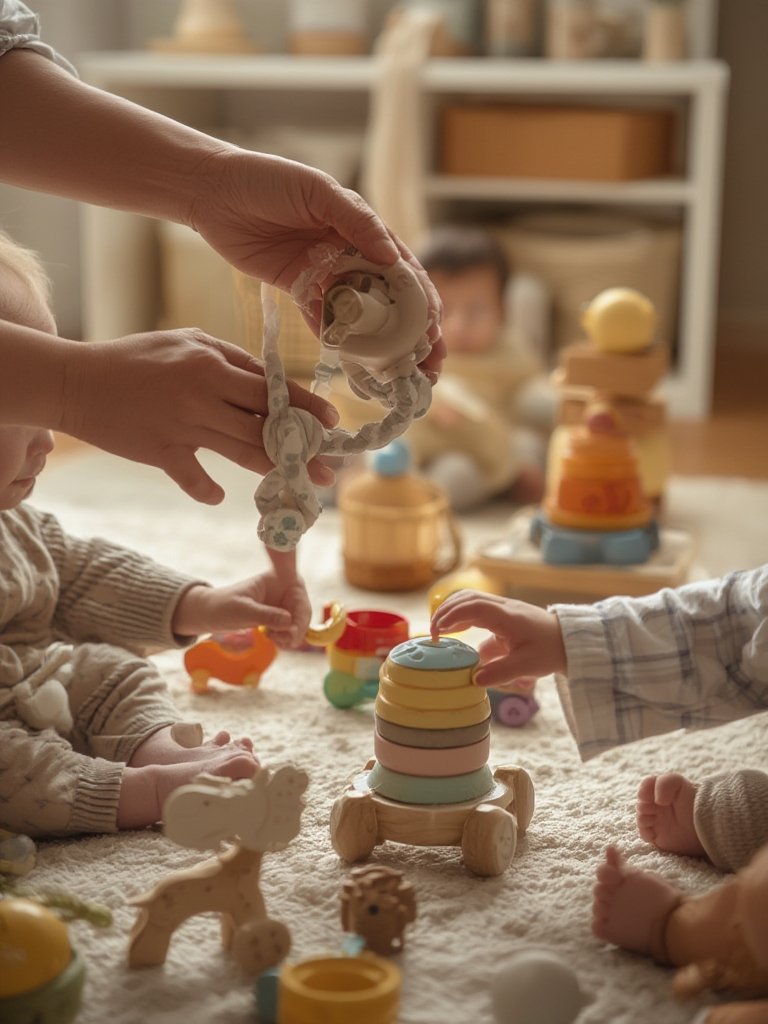
Bonus consideration: Don’t underestimate Non-toxic foam mats for safe play. Non-toxic foam mats—such as those reviewed in this safety guide—add essential padding for tummy time and crawling, lowering fall injury risk.
Analysis & Common Pitfalls When Choosing Baby Toys
Even well-intentioned buyers fall into predictable traps. With over 21 million recalled toys between 2024 and 2025 alone, it is easy to make a dangerous or wasteful pick.
| Pitfall | What Happens | Smart Fix |
|---|---|---|
| Assuming “age-graded” equals “developmental” | Some toys labeled for infants have no meaningful learning benefit and just flash lights or play sounds. | Read reviews and choose toys that offer tactile exploration, problem-solving, or imagination (see educational toys for babies). |
| Buying “hot” or trending toys without vetting | Popular toys are often subject to safety recalls (see how lead and small part recalls exploded in 2024). | Prioritize current safety over hype—double check every product against current recall databases. |
| Assuming well-known brands are always safe | Top brands like Fisher-Price experienced major recalls (see 2024 data), sometimes leading to injuries or fatalities. | Treat every toy individually; check for each item’s compliance and recall status. |
| Ignoring certifications or fakes on third-party marketplaces | Products sold online may display fake certification logos. | Buy from trusted stores, request lot/batch numbers, and consult manufacturer websites. |
Finally, remember that even secure toys need the right home environment. Proper storage and organization of playthings cut clutter and accidents—get real ideas in this toy storage guide.
You might also need to rethink used toys or hand-me-downs, as older products are less likely to conform to current safety rules (Consumer Federation guidance).
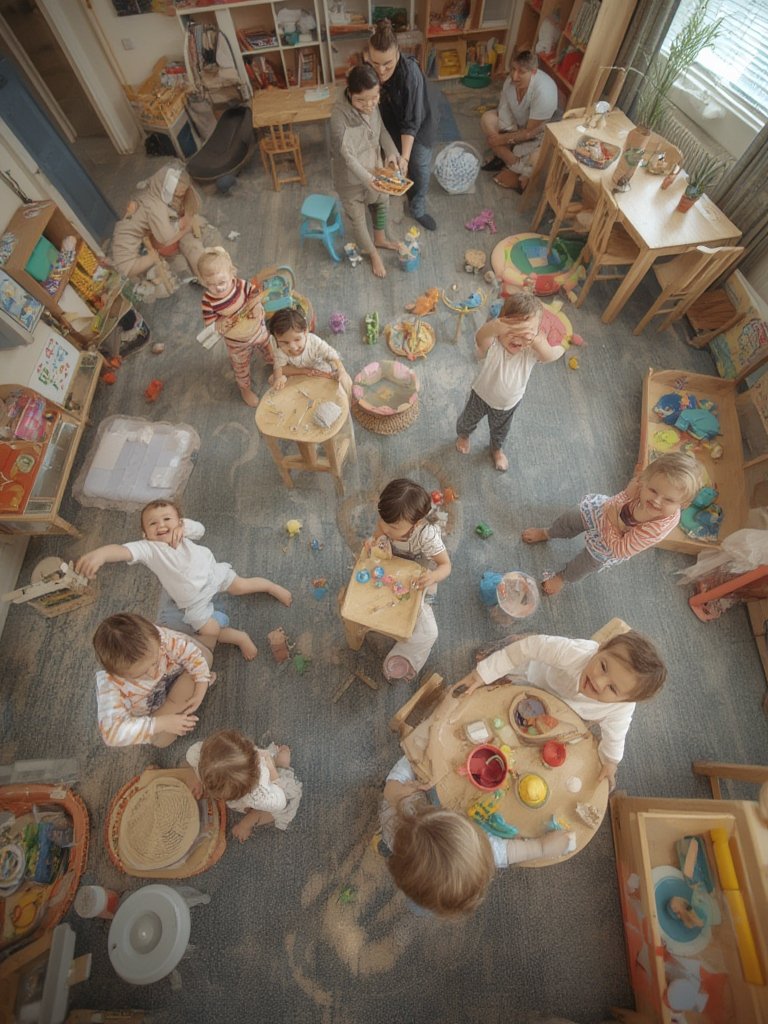
Conclusion: Setting Up Safe Play from Day 1
Thoughtful choosing toys birth to 24 months is not just about fun—it’s about security, early learning, and peace of mind. Use independent recall checks, demand clear certifications, and choose toys that are simple, sturdy, and encourage real interaction at every age. When in doubt, focus on safety first—then look for educational potential and easy care. Want more support? See guides to the best age-appropriate toys or broad educational toy overviews.
Ready to make smarter toy choices? Start screening your baby toy collection today, and share this guide to help others play safer.
FAQ: Choosing Toys Birth to 24 Months
What certifications should I look for on baby toys?
In the US, look for CPSC and ASTM F963 compliance. For European toys, EN71 is standard. These should be clearly printed on packaging or the toy itself.
How do I check if a toy has been recalled?
Search the toy’s brand and model on the CPSC recall database or at ToySafety.org. Double-check before buying or using older toys.
Is it safe to buy used or hand-me-down toys?
Used toys can be unsafe due to old standards, wear, or missing warnings. Check for up-to-date certifications, test for loose parts, and avoid anything from recall lists. See safe storage tips in this guide.
What are the most common hazards for 0-24 month toys?
Recent data shows choking, suffocation (especially in sleep gear like swings), toxic metals, battery access, and dangerous magnets as leading risks (2024 recall analysis).
Do expensive toys mean better quality or safety?
Not always. Some costly toys have been recalled. Focus on safety certifications, durability, and developmental value—pricing is not a safety guarantee.
—