

### Blog Post:
Diaper rash treatment is a must-know skill for any parent or caregiver. Diaper rash is surprisingly common, can flare up fast, and—if left unchecked—can leave babies miserable. Understanding the causes, solutions, and latest treatment options for diaper rash will make you better prepared to keep your child comfortable and healthy.
Key Takeaways
- Nearly 70% of babies experience diaper rash during their diaper-wearing years, with the highest risk between 9 and 12 months.
- Modern treatment focuses on barrier creams, gentle cleansing, and, increasingly, biome-friendly and ingredient-conscious products.
- Act quickly, be consistent, and know when to consult a pediatrician to prevent and manage stubborn diaper rashes.
- 1. The Core Concept: What Is Diaper Rash Treatment and Why Is It Important?
- 2. Step-by-Step Guide: How to Treat Diaper Rash Effectively
- 3. Advanced Analysis & Common Pitfalls in Diaper Rash Treatment
- 4. Conclusion
- 5. FAQ
The Core Concept: What Is Diaper Rash Treatment and Why Is It Important?
Diaper rash occurs when an infant’s skin is irritated by prolonged moisture, friction from diapers, or exposure to urine and stool. Most babies will experience some level of diaper dermatitis—research shows a global prevalence of approximately 70% during their diaper-wearing years. It peaks between 9 and 12 months, making it the most frequent skin issue of early childhood. Without fast, effective treatment, rashes can lead to broken skin, infection, or pain.

Historically, treatment has relied on barrier creams like zinc oxide creams. But there’s a growing movement toward microbiome-friendly products, safer ingredients, and fewer harsh chemicals. New solutions and old remedies work best when combined with gentle care and vigilance.
For parents seeking a comprehensive understanding of common early childhood challenges—like sleep, feeding, and milestones—see our baby developmental milestones guide.
Step-by-Step Guide: How to Treat Diaper Rash Effectively
Managing diaper rash quickly is about acting at the first sign and applying a simple, effective care routine. Here’s what works according to the latest research and real-world parenting experience:
- Change diapers frequently. Keep your baby dry by changing wet or soiled diapers promptly. This alone can prevent many outbreaks.
- Clean gently but thoroughly. Use lukewarm water and a soft cloth. Avoid wipes with alcohol or harsh fragrances. Pat, don’t rub, the skin dry.
- Apply a barrier ointment. Classic zinc oxide creams (like Desitin) are still considered the gold standard, with studies showing up to 90% improvement within 12 hours. Apply a thick layer after every change.
- Let the skin breathe. Give your baby diaper-free time, letting air reach irritated skin.
- Switch diaper brands or types if rash persists. Some babies react to absorption gels or fragrances in commercial diapers. Explore reusable diapers if sensitivity continues.
- Watch for signs of infection. If the rash worsens, develops blisters, or is accompanied by a fever, consult a pediatrician. These symptoms could signal a yeast or bacterial infection.
- Consider innovative new products. Look for creams containing prebiotics or probiotics to support skin microbiome health. Avoid products with parabens, phthalates, or synthetic scents (source).
For ingredient-conscious parents, check out our organic baby skincare guide and see how a chemical-free routine can help soothe rashes and prevent recurrences.
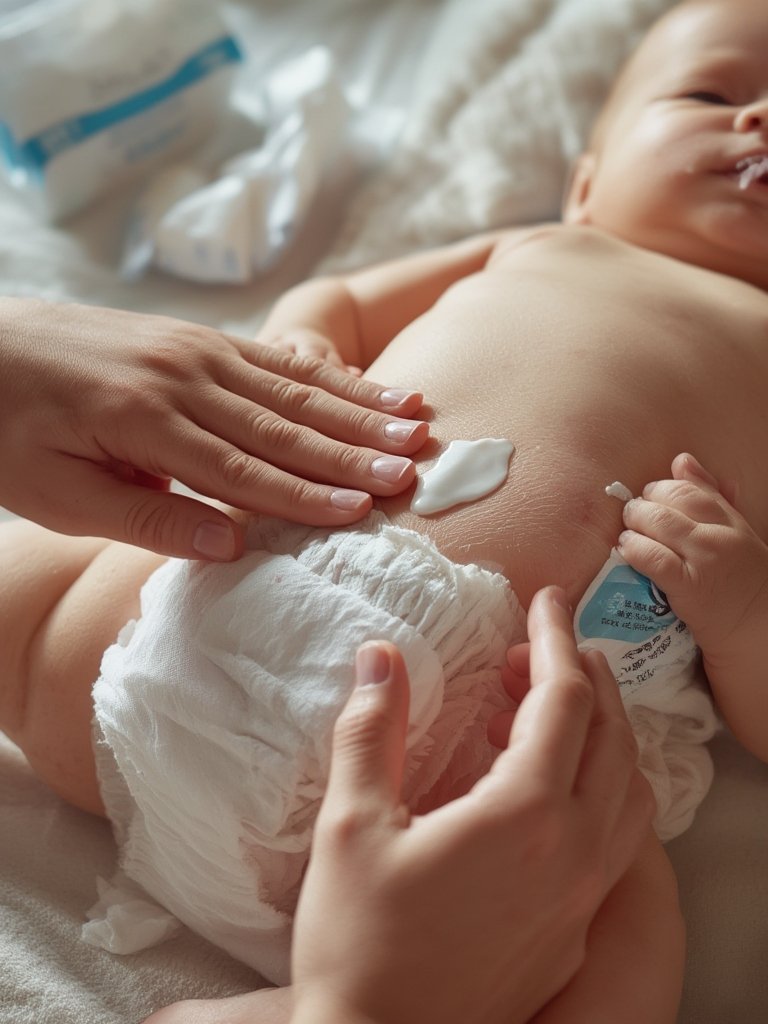
Don’t forget, persistent diaper rash can sometimes signal underlying conditions. Babies struggling with atopic dermatitis or contact allergies may require additional support. Learn more about treating infant skin conditions.
Advanced Analysis & Common Pitfalls in Diaper Rash Treatment
While diaper rash is usually simple to treat at home, there are several common mistakes families make:
- Using wipes with strong chemicals or fragrance. These can prolong irritation and make rashes worse.
- Not applying a thick enough barrier cream. Skimping on zinc oxide limits protection and slows healing.
- Delaying diaper changes at night. Nighttime moisture exposure is a major cause of prolonged rashes.
- Misdiagnosing yeast or bacterial infections. If the rash becomes glossy, has raised borders, or doesn’t improve in a few days, simple creams may not be enough.
Comparison of products and evidence for outcome speed or gentleness is limited, but the main choices are summarized below:
| Treatment Type | Main Ingredient | Time to Relief | Best For | Potential Downsides |
|---|---|---|---|---|
| Classic Barrier Cream | Zinc Oxide (20-40%) | 6-24 hours | Most acute rashes | Possible buildup, risk of future concentration limits by FDA |
| Biome-friendly Cream | Prebiotics/Probiotics | 24-48 hours (emerging data) | Chronic/recurrent rashes, sensitive skin | Limited clinical trials, may cost more |
| Natural/Organic Balm | Plant oils, no preservatives | Varies | Parents avoiding synthetics | Lower barrier protection, may contain allergens |
Prevalence varies by region. Rates are considerably higher in certain countries—India at 67.3%, Ethiopia at 62.5%, and Iran at 50.9%—compared to 18.4% in Cameroon (source). Factors include water access, diaper material, and health care availability.
Learn more about how safe sleep strategies, toy materials, and daily routines can influence baby comfort and skin health in our resources on safe sleep solutions and nursery safety.
Finally, be attentive to broader health signals. Underlying skin disorders such as atopic dermatitis or psoriasis are growing concerns (especially in Asia-Pacific), and these can complicate basic rash care (source).

Conclusion
Diaper rash is common, manageable, but can cause real distress if neglected. Fast action, careful cleansing, and dependable barrier protection are the heart of proven diaper rash treatment. Stay watchful for persistent or worsening symptoms. When in doubt, speak with your child’s pediatrician. Want more practical parenting tips? Explore our baby care and child development guide and get proactive about your child’s comfort.
FAQ
What is the fastest way to treat diaper rash?
Change diapers frequently, use water and a soft cloth to cleanse, let skin air-dry, and apply a thick barrier layer of zinc oxide cream at every change. Most mild rashes improve in 12 to 24 hours.
When should I see a doctor for diaper rash?
If the rash is severe, blisters are present, the skin is weeping, your child develops a fever, or if the rash does not improve within three days of home care, contact a pediatrician. These may signal yeast or bacterial infection.
Are natural or organic creams better than zinc oxide for diaper rash?
There is growing interest in natural and biome-friendly creams, but current evidence suggests that classic zinc oxide remains the most effective option. Natural creams can be useful if your child is sensitive to additives, but may not provide as much barrier protection.
Can cloth diapers help prevent diaper rash?
Some parents find that switching to cloth or reusable diapers—washed with hypoallergenic detergents—can reduce skin irritation, especially for babies sensitive to commercial diaper gels or fragrances. Learn more in our guide to reusable baby diapers.
Do probiotics really work for diaper rash?
Biome-friendly products containing prebiotics and probiotics are a new trend and may help balance skin, but more research is needed. They can be an option for recurring rashes or if standard treatments do not work, but they should not replace proven barrier creams at this time.