

Eczema in babies can disrupt sleep, cause discomfort, and worry parents. Understanding what it is, why it happens, and how to manage it gives you tools for relief and reassurance.
Key Takeaways
- Recent studies show eczema affects millions of young children worldwide, with regional variations in prevalence.
- Managing baby eczema requires a realistic approach to daily skincare and environment — there are no miracle cures.
- Untreated eczema in babies can lead to ongoing discomfort and increased health burdens in early childhood.
- What Is Eczema in Babies (and Why Does It Happen)?
- Step-by-Step Guide: How to Manage Eczema in Babies
- Advanced Analysis & Common Pitfalls in Eczema Management
- Conclusion
- Frequently Asked Questions about Eczema in Babies
What Is Eczema in Babies (and Why Does It Happen)?
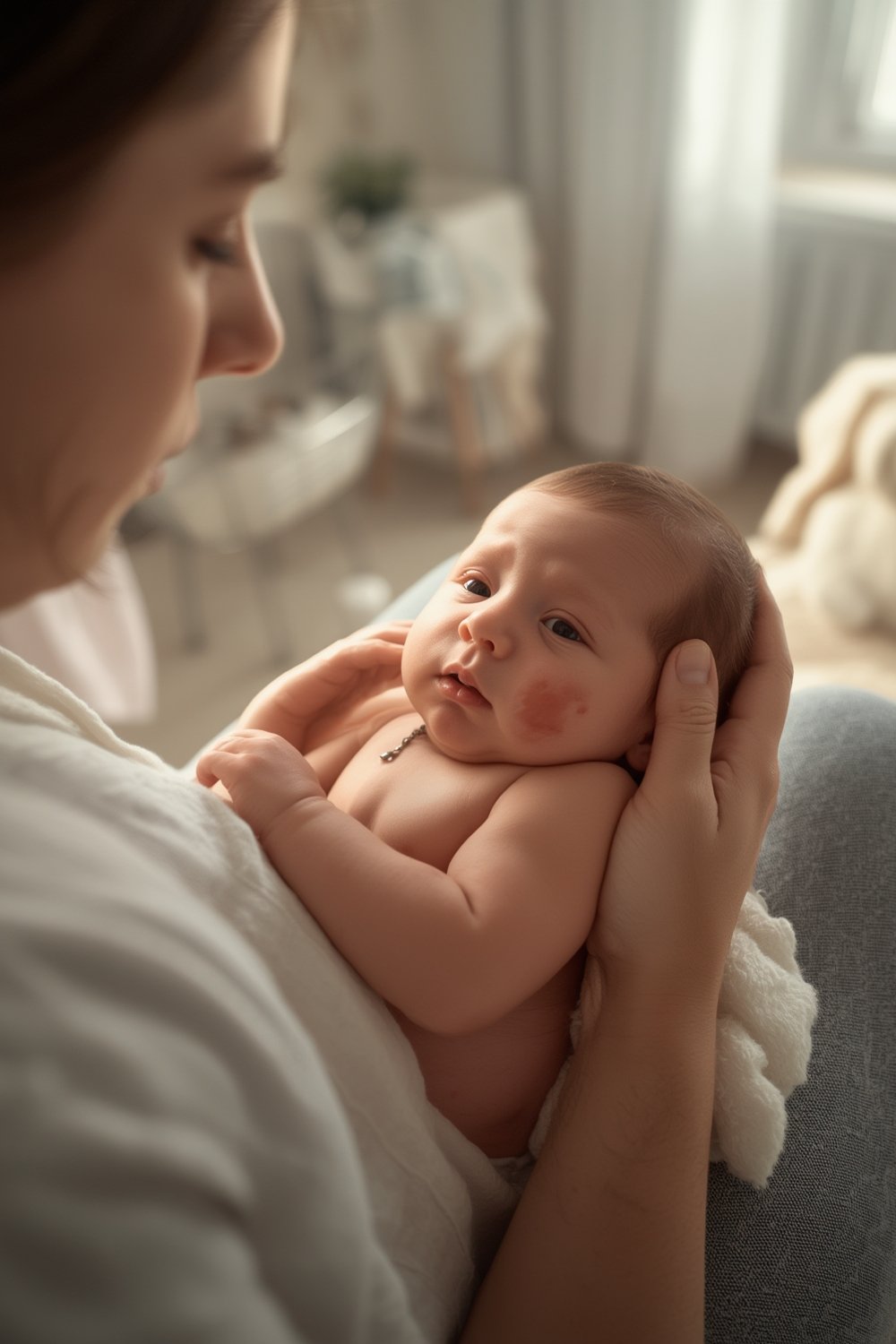
Eczema, or atopic dermatitis, is a chronic skin condition that often appears in infancy. It causes itchiness, redness, dry skin, and sometimes oozing patches, especially on the cheeks, arms, and legs.
It’s common in young children, with up to 11 percent of children worldwide affected at any given time. For ages 1-4, over 43 million children currently live with eczema. In some African regions, rates soar as high as 70 percent in infants, while in the US and Latin America, about one in ten children experience eczema symptoms. Gender, genetics, and environment play roles, but the exact cause is a mix of immune system sensitivity and skin barrier weakness. Source. Eczema is not contagious, but triggers like dryness, temperature changes, and irritants can flare symptoms. See further data in recent research.
Step-by-Step Guide: How to Manage Eczema in Babies
Managing baby eczema means focusing on daily routines and monitoring triggers. There’s no cure, but symptoms can usually be controlled with the right steps.
- Bathing: Give your baby short, lukewarm baths (no more than 10 minutes). Avoid hot water, scented soaps, and bubble baths.
- Pat skin dry gently, do not rub.
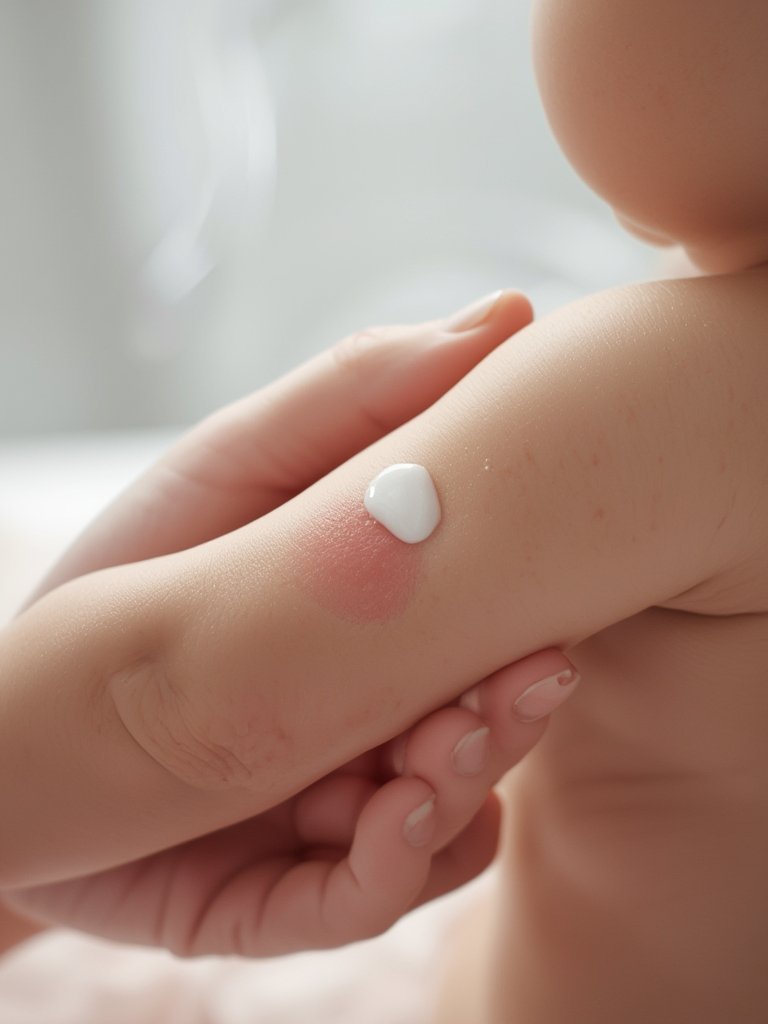
- Apply moisturizer within three minutes of getting out of the bath to lock in moisture.
- Daily Moisturizing: Use fragrance-free, thick creams or ointments at least twice a day.
- Try organic baby skincare options for peace of mind and reduce irritation risk.
- Manage Triggers:
- Dress your baby in soft, breathable fabrics like cotton — avoid wool and synthetics.
- Identify any food or environmental triggers via careful observation. For advice on allergy testing, see this allergy testing guide.
- Keep nails trimmed and use safe baby nail cutters to prevent scratching and infection.
- Relieve Itching:
- Use a cool compress or a damp washcloth on inflamed areas to relieve discomfort between moisturizers.
- Distract your baby during itchy moments, especially before naps or bedtime. For sleep-friendly tips, check safe sleep guides.
- Monitor for Infection:
- Watch for oozing, yellow crusts, or rapidly worsening redness — these can mean a secondary skin infection.
- Contact your pediatrician if you suspect infection or if standard care doesn’t help within two weeks.
Other practical supports:
- Add a nursery humidifier in dry seasons to prevent skin drying.
- Use mineral baby sunscreen on exposed skin outdoors, as chemical sunscreens may irritate.
- For severe cases, your pediatrician may suggest short courses of prescription creams or a referral to a pediatric dermatologist. Regular monitoring is key.
Advanced Analysis & Common Pitfalls in Eczema Management
Many parents expect fast improvement, but eczema in babies is rarely an overnight fix. Here’s what else to watch for:
| Pitfall / Problem | How to Avoid / Correct |
|---|---|
| Skipping daily moisturizers | Set a routine — mornings and nights, plus after baths |
| Using harsh soaps or scented products | Choose fragrance-free, pH-neutral cleansers only |
| Delaying doctor visits for severe or infected eczema | If symptoms worsen or fail to improve, see a pediatrician promptly |
| Using home remedies not backed by science | Stick to routines and treatments with dermatologist consensus |
| Forgetting about allergies and environmental triggers | Discuss allergy testing and tracking triggers with your care team |
Global research suggests that while incidence rates of eczema in babies are predicted to decline slightly (by about 12 percent globally by 2050), the health burden remains high. Disability-adjusted years lost (DALYs) keep rising, especially in children under five, reflecting challenges in management and significant toll on families.
Untreated eczema can lead to persistent discomfort, increased infection risk, and chronic issues later in life. Clear, consistent routines — not complicated solutions — offer the best outcomes. Explore advice on rashes here and here.
Conclusion
Eczema in babies is common and can be persistent, but it is manageable. Most families find success through consistent skincare, avoiding triggers, and seeking timely medical help when signs worsen. There is no magical solution, but with patience and daily care, most babies improve. For more tailored baby care tips, check our developmental milestones guide and related resources.
Have questions about eczema in babies or looking for baby-friendly skin care ideas? Explore more expert guides, and consider speaking with your pediatrician about your child’s skin health.
Frequently Asked Questions about Eczema in Babies
What does eczema in babies look like?
It usually shows as red, dry, or scaly patches, often on cheeks, arms, and legs. In severe cases, it may ooze or crust. Symptoms can vary with age and the baby’s skin type.
Can baby eczema go away on its own?
Some babies outgrow eczema, but many require ongoing skincare and trigger management for months to years. Consistency is crucial for relief.
Are there foods that make eczema worse in babies?
Certain foods may trigger flare-ups, such as eggs or dairy, especially if your baby has sensitivities. Discuss allergy testing with your pediatrician or read more in our baby allergy testing guide.
When should I see a doctor about my baby’s eczema?
See a pediatrician if eczema is severe, spreading, doesn’t improve with over-the-counter care, or if the skin looks infected (oozing, yellow crusts, or rapidly worsening redness).
Are prescription treatments safe for babies with eczema?
Most prescription creams are safe when used as directed by a doctor. Overuse can cause side effects, so always follow instructions and discuss any concerns about your baby’s treatment.