

Introduction
Baby Safety at Home and On the Road is a top priority for parents, especially when young children begin exploring new environments. Ensuring Baby Safety at Home and On the Road requires constant attention both inside the house and during travel. This article highlights practical strategies and essential safety equipment—such as baby gates and car seats—to support families in achieving the highest level of Baby Safety at Home and On the Road, whether little ones are indoors or on the move.
Understanding the Role of Baby Gates
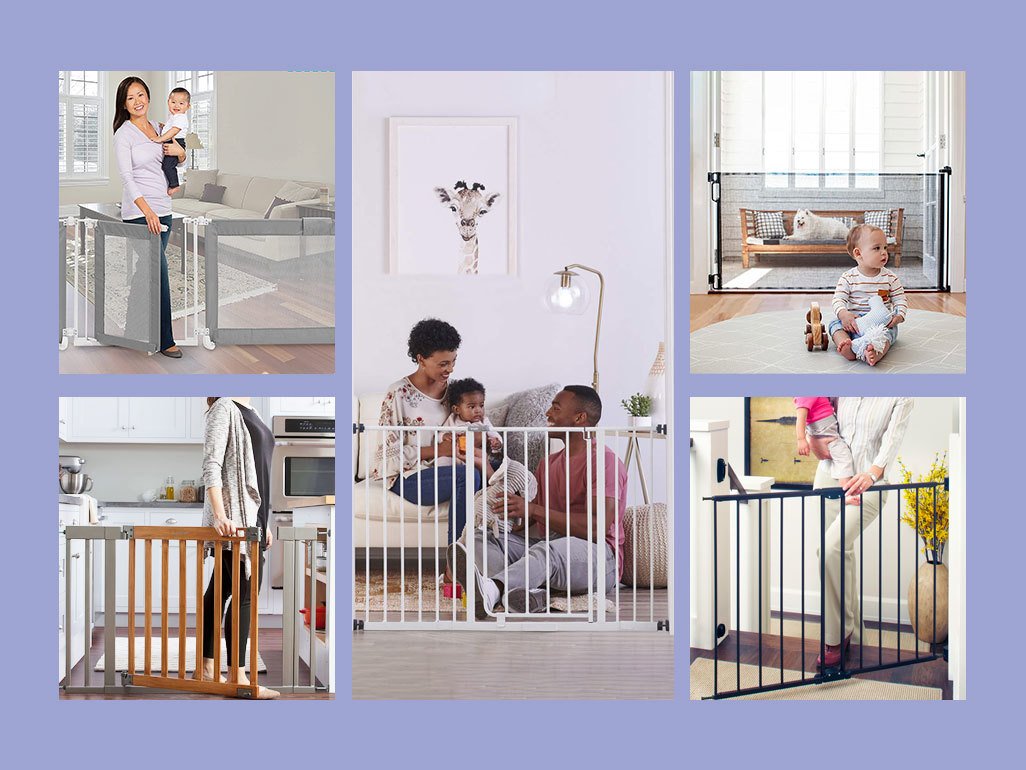
Baby gates are one of the most effective tools for Baby Safety at Home and On the Road, especially when creating safe zones inside the home. They serve as the first line of defense to keep curious children away from hazardous spaces. Designed for openings like doorways, staircases, and kitchen entry points, baby gates help prevent access to areas with risks such as sharp edges, cleaning products, or significant drops. By establishing these barriers, parents gain peace of mind, knowing their child can explore safe areas while maintaining strong overall Baby Safety at Home and On the Road.
Selecting the right baby gate involves understanding both materials and installation methods. Metal gates are durable and ideal for high-risk areas, while plastic gates provide lighter, temporary solutions. Wooden gates offer a decorative yet sturdy alternative when properly finished and splinter-free.
There are two main types of baby gates:
Pressure-mounted gates, perfect for doorways and level surfaces, though not safe for the tops of stairs.
Hardware-mounted gates, which provide maximum security and are recommended for staircases and elevated spaces.
Choosing the correct gate installation significantly enhances Baby Safety at Home and On the Road, especially as toddlers become more mobile and adventurous.
Effective Use of Car Seats
Car seats are among the most critical components of child passenger safety, serving as the primary barrier against injury during vehicle travel. To maximize their protective potential, parents must ensure that only government-approved car seats are used, as these meet rigorous safety standards designed to withstand crash forces. Car seats are not “one size fits all.” Choosing the correct seat depends on your child’s age, weight, and height, with most safety authorities recommending rear-facing seats for infants and toddlers, which offer superior protection for the developing head, neck, and spine in a collision. As children grow, combination seats—such as convertible and booster seats—accommodate changes in weight and height, but must also align with manufacturer and legal guidelines for continued effectiveness.
Installation is equally pivotal. Many modern vehicles feature ISOFIX or LATCH systems, which simplify installation by providing secure anchor points directly integrated into the car. These systems greatly reduce the likelihood of improper installation, a leading cause of car seat-related injuries. Some car seats also come with built-in indicators—such as color change displays or audible clicks—to confirm correct attachment. Parents should carefully study both the car seat and vehicle manuals, ensuring straps are flat and snug, chest clips are positioned at armpit level, and the base is tightly fitted with minimal movement.
Advancements in technology now support parents with digital apps, videos, and even in-seat sensors that alert caregivers if a seat is improperly attached or if a child is left buckled inside. Regularly reviewing the latest guidance from safety experts and periodically re-checking car seat fitting are key actions to maintain maximum protection throughout every stage of early childhood travel.
Benefits and Limitations of Safety Equipment
Understanding the benefits and limits of safety tools is essential for Baby Safety at Home and On the Road. Baby gates and car seats remain the cornerstones of protection in both home environments and during travel. Baby safety gates, guided by standards such as EN 1930, are designed to block hazardous areas—like stairs or kitchens—from curious infants and toddlers. They greatly reinforce Baby Safety at Home and On the Road by minimizing fall risks and restricting access to dangerous spaces. Choosing a gate that is sturdy, correctly sized, and installed according to the manufacturer’s guidelines strengthens overall safety. Pressure-mounted gates work well in doorways, while hardware-mounted models offer higher security for stairways.
However, limitations exist. Gates are never a substitute for active supervision, and improper use—such as installing pressure-mounted gates at the top of stairs—may result in injury. Wear, tear, or loose locking mechanisms can compromise effectiveness over time. Following EN 1930 ensures gates are tested for pinch points, entrapment, strength, and spacing, but parents must still inspect them regularly and adapt as children become more mobile, skilled at climbing, or capable of manipulating latches. Keeping these precautions in mind is essential for maintaining Baby Safety at Home and On the Road.
Car seats play an equally crucial role in protecting young passengers. Validated by regulations like ECE R44/04 or the newer i-Size (R129), the right car seat absorbs impact during collisions and limits movement to significantly reduce injury risk. This makes car seats a vital component of Baby Safety at Home and On the Road, particularly during everyday commutes and long trips. Yet even the most advanced car seat loses effectiveness if installed incorrectly, chosen improperly for a child’s size, or used after its expiration date. Damaged straps, cracked shells, or outdated models also pose serious safety concerns.
When selecting equipment, families should consider lifestyle and mobility needs—such as ease of transferring a car seat between vehicles or choosing gates wide enough for open-plan homes. Routine inspections for damage, staying updated on safety standards, and ensuring the equipment truly fits the home layout or travel habits all contribute to more reliable Baby Safety at Home and On the Road.
Childproofing Strategies at Home
Effective childproofing requires a holistic approach that supports Baby Safety at Home and On the Road, extending far beyond simply placing baby gates or choosing a safe car seat. While gates restrict access to dangerous spaces like kitchens or staircases, they form only one part of a complete safety strategy. Children grow quickly, developing new capabilities that allow them to reach higher areas, open drawers, and move objects—so anticipating hazards in advance is vital.
Securing furniture is one of the most important steps. Heavy items such as bookshelves, televisions, and dressers should be anchored to the wall with strong anti-tip devices. Even furniture that looks stable can become hazardous when a toddler climbs or pulls on it.
Electrical outlets, often positioned at floor level, also present preventable risks. Installing plug covers or using modern sliding socket protectors helps block access. Windows on upper floors should be equipped with locks or restrictors to eliminate fall hazards.
Sharp edges on coffee tables, fireplaces, and windowsills can be cushioned with corner guards, reducing injury risks when babies begin crawling or walking. For homes with fireplaces, specialized hearth gates act as a protective barrier, keeping little ones away from hot surfaces, flames, and sharp edges—another important step in strengthening Baby Safety at Home and On the Road.
Other critical components include securing cabinets containing cleaning chemicals or medicines with childproof locks and ensuring cords from blinds or curtains are kept far away from children’s reach to prevent strangulation. A holistic approach involves regular checks and adapting strategies as your child’s mobility and curiosity evolve. This safeguarding mindset creates a safer, more secure environment, complementing the function of baby gates and car seats rather than relying on them as the sole measures for protection.
Regulations and Guidelines for Safety
When it comes to Baby Safety at Home and On the Road, strict regulations and industry standards play a vital role in delivering the level of protection families expect. National and international standards—such as UNI EN 1930:2011 for safety gates and the i-Size (UN R129) regulation for car seats—establish the performance benchmarks that all certified products must meet to be legally sold and safely used.
UNI EN 1930:2011 is the European standard that outlines requirements for safety barriers designed for children up to 24 months. It specifies key factors including gate height, bar spacing, non-toxic materials, impact resistance, and the strength of locking mechanisms to prevent unsupervised openings. Gates compliant with this standard must also include clear installation instructions and safety warnings. For Baby Safety at Home and On the Road, parents and caregivers are responsible for choosing certified baby gates—whether pressure-mounted or hardware-mounted—and ensuring they remain in good condition through regular checks for damage or wear.
On the road, the i-Size regulation (UN R129) brings major improvements compared to previous standards like ECE R44/04. It mandates rear-facing travel up to 15 months, enhances side-impact protection, and ensures greater compatibility through ISOFIX anchorage points, reducing the chance of incorrect installation. Legal obligations are strict: children must ride in certified, properly installed car seats that match their height and weight. This is a critical part of Baby Safety at Home and On the Road, ensuring continuous protection during travel.
Failure to comply with safety regulations increases the risk of serious injury, may result in legal penalties, and can even void insurance coverage. Parents and caregivers must remain vigilant and informed, consulting updated manuals, official guidelines, and product compliance labels to ensure every measure fully aligns with current safety requirements.
Conclusions
Ensuring a child’s protection as part of Baby Safety at Home and On the Road requires thoughtful use of equipment such as baby gates and certified car seats. By understanding their proper functionality, following usage guidelines, and complying with established safety standards, parents and caregivers can create secure environments that significantly reduce risks both indoors and while traveling.