

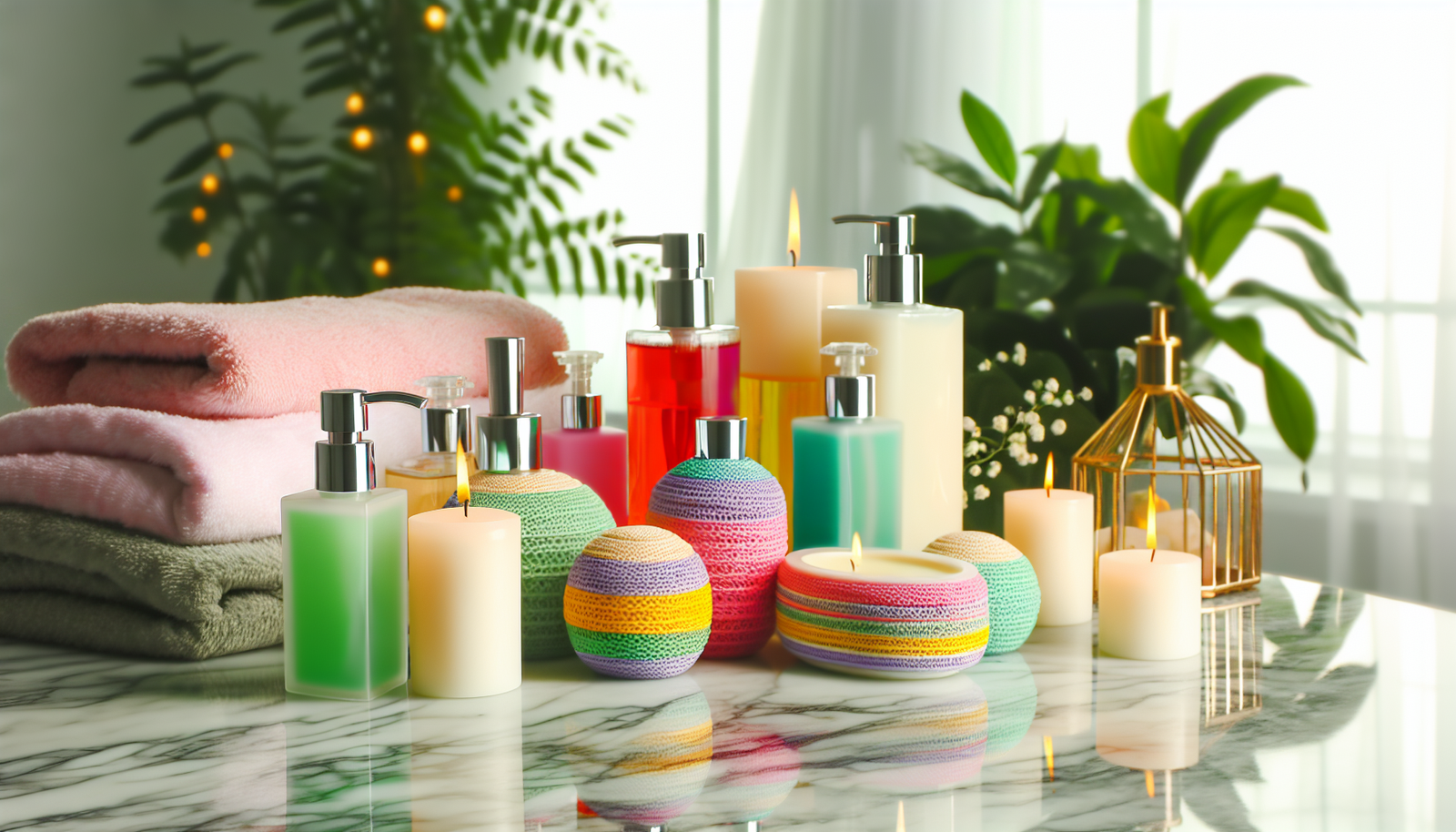
Bath and body essentials are an integral part of our daily routines, contributing to relaxation, wellness, and self-care. Bath and Body Works stands out as a leading name in this realm, renowned for its iconic scents and innovative products. Exploring the World of Bath and Body: A Deep Dive Into Bath and Body Works and Self-Care allows us to understand the brand’s history, evolution, and lasting influence within the broader bath and body care industry.
The Origins and Growth of Bath and Body Works: Exploring the World of Bath and Body – A Deep Dive Into Bath and Body Works and Self-Care
Bath & Body Works traces its roots back to 1990 in New Albany, Ohio, where it opened its doors as a single specialty retailer. What began as a modest effort quickly evolved into a pioneer in the bath and body industry, shaping consumer expectations with innovative products and immersive in-store experiences. The initial concept revolved around democratizing luxury, making high-quality bath products and personal care experiences accessible to everyday shoppers.
The company’s early success can be attributed to bold visual merchandising, playful store layouts, and an inviting sensory environment. Scent-sampling stations, vibrant displays, and friendly product educators created a destination-like atmosphere. A notable turn in its journey occurred soon after its founding: following a lawsuit from The Body Shop, Bath & Body Works underwent a significant rebrand, steering its aesthetic away from apothecary cues and moving toward a warm, homey, Americana-inspired identity. This strategic shift resonated deeply with U.S. consumers, establishing the brand’s unique voice and image apart from European competitors.
Expansion came rapidly. In 1997, Bath & Body Works ventured into home fragrance, introducing the Bath & Body Works at Home line, marking an early foray into lifestyle branding. The acquisition and revitalization of White Barn Candle Company solidified the brand’s dominance in the scented candle and home fragrance sector. These new lines diversified the product offering and drew in a wider audience.
International growth became a priority in the 2010s. Opening locations in Canada, and then expanding into the Middle East and beyond, Bath & Body Works established itself as a global force. Through strategic branding, continuous product innovation, and global outreach, it became the largest bath shop chain in the U.S., consistently setting trends in personal care and home fragrance that reverberate globally.
The Evolution of Bath and Body Products
The development of bath and body products traces back to ancient civilizations, where daily rituals around bathing, oils, and natural fragrances were essential for hygiene, healing, and spiritual well-being. Over centuries, cultures blended local traditions with imported materials—like olive oil soaps from the Mediterranean, rice powders in Asia, and herbal infusions across Europe. Gradually, these homemade remedies and luxury goods became more accessible through technological advances in the Industrial Revolution, giving rise to mass-produced soaps and lotions. By the late 20th century, the personal care market shifted from a focus on simple hygiene to encompassing well-being, identity, and experience.
This historical context shaped the rise of brands like Bath and Body Works, which tapped into growing consumer desires for indulgence, personalization, and sensorial pleasure. The brand catalyzed a new era by introducing a wide variety of products beyond basic soap—think scented shower gels, rich body creams, fragrant body mists, and later, home ambiance goods such as candles and air fresheners. These offerings encouraged customers to curate personalized routines and homes that reflected not just style, but mood and seasonality.
A defining innovation was the move toward experiential shopping. Bath and Body Works’ in-store environment—complete with immersive scent “stations,” themed displays, and the ability to “test” products—elevated bath and body care from utility to experience. Themed, seasonal, and holiday collections further cultivated anticipation and emotional connection, transforming shopping into a ritual of its own. These shifts pushed the whole industry toward multi-sensory, emotion-driven products, prompting competitors to follow suit. Consumers now expect variety, novelty, and mood-enhancing effects from their personal and home care routines, a standard largely popularized by Bath and Body Works’ pioneering approach to the art of self-care shopping.
Signature Scents and Changing Trends
Bath and Body Works has long distinguished itself through a constantly evolving palette of signature scents, leveraging a unique approach to fragrance rotation and reinvention in tune with shifting consumer preferences. Rather than simply introducing new products, the brand excels at reimagining and recycling beloved fragrances, sometimes under refreshed names or with subtle tweaks to their scent profiles. This strategy allows Bath and Body Works to create a sense of nostalgia and exclusivity, drawing customers back for favorite scents from past collections, while simultaneously introducing contemporary twists that reflect modern tastes.
The continual rotation of scent collections, often themed to the season or cultural moments, lies at the heart of the brand’s marketing genius. Seasonal and limited-edition offerings—think pumpkin spice in autumn, crisp florals in spring, or sun-ripened fruits for summer—heighten anticipation and urgency. Limited runs and surprise re-releases encourage consumers to purchase quickly for fear of missing out, which bolsters both sales and brand engagement. These changing trends are reflected not just in the ingredients but also in packaging designs. Bold colors, whimsical illustrations, and tactile elements speak to current aesthetic trends and consumer values, transforming even everyday hand soap into a collectible or a giftable experience.
In parallel, the brand has honed an understanding of the emotional impact of fragrance, designing scent stories that evoke comfort, excitement, or nostalgia. This psychology is woven through their in-store displays and online narratives, turning a simple product purchase into an act of self-expression. Bath and Body Works’ ability to read the cultural mood and translate it into both scent and style has kept them at the forefront of the bath and body care industry, ensuring ongoing customer excitement and a loyal, emotionally invested fan base.
Bath and Body Works’ Influence on Self-Care Culture
The modern rise of self-care has been fueled by an increased societal awareness of personal wellness and the necessity of unwinding from everyday stressors. Bath and Body Works has positioned itself at the heart of this movement by offering a broad selection of products that transform routine hygiene into restorative rituals. Their offerings—ranging from opulent bath bombs to deeply moisturizing body butters and spa-inspired collections—are designed to elevate basic acts like bathing and moisturizing into experiential practices that cater to both physical comfort and emotional well-being.
Bath and Body Works’ influence on self-care culture is most evident in how their products integrate sensory elements—fragrance, texture, and visually pleasing packaging—that enhance the act of self-nurturing. For example, the fizz and delicate scents of bath bombs create an immersive atmosphere that encourages users to linger in the tub and disconnect from screens and to-do lists. Luxurious body butters deliver not only hydration but also evoke comfort through plush textures and comforting aromas, promoting mindfulness and body appreciation.
A significant part of this influence stems from Bath and Body Works’ marketing approach, which underscores not just cleanliness or beauty, but emotional rejuvenation and personal indulgence. Campaigns and store displays routinely emphasize “pampering” and “treating yourself,” framing self-care as an accessible luxury. This message resonates with consumers who seek moments of escape and self-attention in their routines. By using evocative language and immersive sensory cues, the brand instills a sense that purchasing and using these products is an act of self-kindness, not just maintenance.
Furthermore, limited-edition spa-inspired lines and wellness collections reflect broader trends in holistic health, offering products with ingredients like essential oils and botanicals. These align closely with current consumer interest in wellness beyond skincare, contributing to a culture where daily rituals become meaningful opportunities for care and restoration.
Sustainability, Innovation, and the Future of Bath and Body Works
In recent years, the bath and body industry has witnessed a marked pivot toward sustainability as consumers increasingly demand products that are both luxurious and responsible. Bath and Body Works, along with its main competitors, is responding to these shifting preferences by investing heavily in sustainability initiatives. The brand is gradually incorporating cleaner formulas, minimizing the presence of parabens, phthalates, and sulfates, and focusing on plant-derived ingredients and naturally inspired fragrances. These steps are not simply marketing gestures; they reflect changing regulatory environments and escalating consumer knowledge about ingredient safety and environmental impact.
Eco-friendly packaging has become another arena for innovation. The move towards recyclable bottles, reduced plastic content, and refill programs is reshaping the way products reach consumers. Bath and Body Works has begun rolling out initiatives that include offering more recyclable containers and promoting refillable hand soap options—mirroring broader trends within the industry. Simultaneously, the company is experimenting with packaging made from post-consumer recycled materials, which addresses both the demand for sustainability and the need to reduce corporate environmental footprints.
Innovation also defines Bath and Body Works’ approach to staying competitive. Behind the scenes, research and development teams are leveraging biotechnology for vegan formulations and sustainable scent creation. Partnerships with responsible suppliers are ensuring traceable sourcing, which appeals to a generation of shoppers for whom ethical production is paramount.
Looking to the future, the company is poised to further expand its focus on transparency and lifecycle impacts, perhaps exploring biodegradable packaging or closed-loop recycling systems. The broader industry is likely to see an uptick in refill stations and concentrated product formats, catering to minimalist, waste-conscious lifestyles. Bath and Body Works faces the dual challenge of scaling these solutions affordably while maintaining its sense-driven brand identity, but the opportunities for stronger loyalty and market differentiation are immense.
Conclusions
Bath and Body Works has had a transformative impact on bath and body care, blending innovation, compelling scents, and self-care promotion. As the brand continues to adapt to new trends like sustainability and experiential wellness, its enduring popularity reflects a wider movement toward daily rituals that nurture both body and mind.
Learn more about Everything related to a baby in our 🍼 Baby Products
For simple ideas to make your home comfortable for you and your child: [roomluminate].