

Head Start immigration eligibility questions have become a pressing topic for families, educators, and advocates in 2024. This post breaks down what you really need to know about the current rules, who qualifies, which children risk exclusion, and how laws and policies are evolving, based on the most recent federal actions and real family experiences.
Key Takeaways
- No federal law or policy requires immigration status verification for general Head Start eligibility as of 2024; recent court actions stopped attempted restrictions.
- Most families—including undocumented ones—remain eligible for Head Start and Migrant and Seasonal Head Start (MSHS) if income and age requirements are met.
- No official data exists on how many undocumented children participate or are excluded from Head Start; confusion and fear create real barriers to access.
- What Is Head Start Immigration Eligibility?
- How to Navigate Head Start Eligibility as an Immigrant Family
- Advanced Analysis & Common Pitfalls
- Conclusion
- Frequently Asked Questions
What Is Head Start Immigration Eligibility?
Head Start is a federally funded preschool program created to support low-income children in school readiness, health, nutrition, and family well-being. For decades, general Head Start immigration eligibility has not required families to prove or declare immigration status—meaning children can enroll regardless of whether they or their parents are U.S. citizens or have other legal status, as long as they meet the income and age requirements set by the Head Start Program Performance Standards.
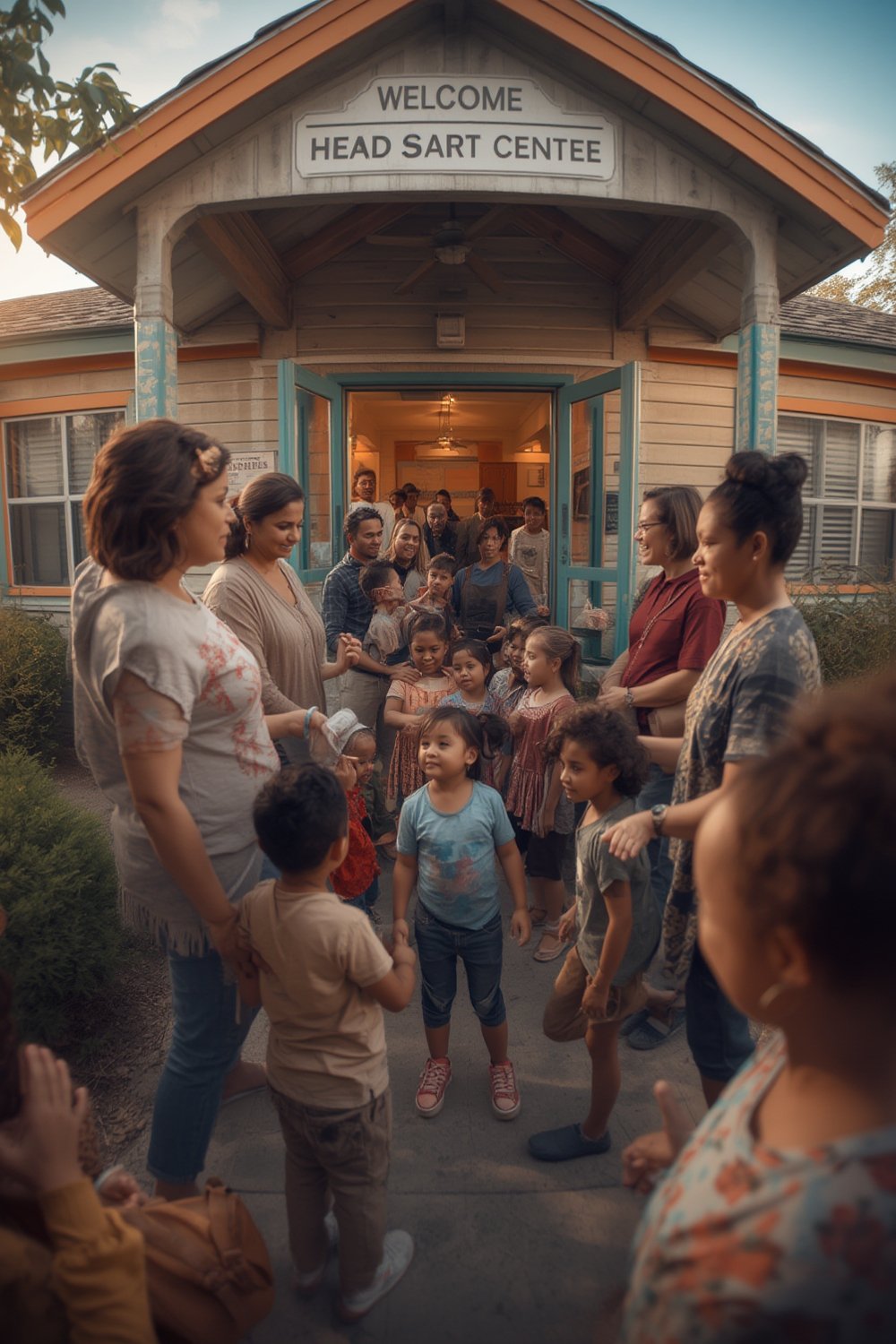
In 2023 and 2024, no major policy changes targeted Head Start’s overall immigration rules. However, new federal guidance for 2024 did expand eligibility criteria for Migrant and Seasonal Head Start (MSHS) programs, allowing service to any age-eligible child with just one family member whose income comes mostly from agricultural work—regardless of total family income or immigration status. These changes prioritize recently relocated migrant families, but still do not require checking legal status for enrollment (source).
A controversial 2025 HHS rule attempted to limit Head Start to “qualified aliens” (typically permanent residents, asylees, and refugees), but this was blocked nationwide by a federal injunction. As a result, pre-2025 eligibility remains in effect: children are not asked about immigration status, and there is no federal requirement to track or verify it (source).
How to Navigate Head Start Eligibility as an Immigrant Family
If you are an immigrant parent or guardian wondering about your child’s ability to join Head Start, here is a practical, step-by-step guide to making sense of the latest eligibility rules and maximizing your chance for successful enrollment.
- Determine if your child is age eligible: Children must be at least 3 years old but not yet eligible for kindergarten by their state’s cutoff date. Migrant and Seasonal Head Start may serve infants and toddlers up to age 5.
- Assess your income: Generally, you must have a family income at or below the federal poverty level. Some exceptions exist, so always apply if in doubt.
- Assemble documentation: Valid documents often include a birth certificate (or hospital record), proof of residency (like a utility bill), and income verification (tax returns, pay stubs, or benefits statements). No legal status paperwork is required or should be requested for program entry.
- Apply to your local Head Start provider: Applications are typically handled by your nearest program office. Visit the official Head Start locator or community partners to find the right site. If applying for MSHS, be prepared to show proof of income that at least one family member earns a majority of their annual income from agricultural work (not immigration status).
- Track your application and ask questions: Stay in contact with your assigned Family Advocate or enrollment officer. If anyone requests information about citizenship or status, ask for written policy and document your communications.
- Seek help if you encounter barriers: Non-profit legal aid, immigrant resource centers, and regional Head Start offices can provide support and, if needed, intervene if your rights are not respected.
If you want your child’s learning environment to stay safe sleep for toddlers while waiting for preschool, review our guide about safe sleep for toddlers to keep them protected overnight.
Finally, always confirm that the school is following the most current policy, as some local confusion may still exist from recent policy battles. If you need further support on eligibility or documentation, finding infant daycare options with more flexible requirements might be a backup solution.
Advanced Analysis & Common Pitfalls
While Head Start remains broadly accessible to immigrant families nationwide, there are major pitfalls and shortcomings that every parent or advocate must be aware of:
- Confusion about the law: In some regions, staff are unaware that immigration status cannot be considered for general Head Start and inadvertently ask for proof or discourage families from applying. Always request policy in writing.
- Fear deters enrollment: Even without legal barriers, rumors or proposed policy changes can create intimidation and reduce program participation among undocumented and mixed-status families (source).
- Lack of official data: Head Start programs have never collected or reported data on immigration status, so we lack clear visibility on how many children are excluded in practice (source). Most exclusion estimates are rough projections.
- Changing guidance for Migrant and Seasonal Head Start (MSHS): The recent 2024 expansion opens doors to more farmworker kids but may confuse families used to older rules. MSHS continues to prioritize recently mobile migrant families but still doesn’t require immigration status checks (source).
- Varying state preschool rules: Federal Head Start rules don’t always match state-funded preschool programs, some of which restrict or propose tracking of undocumented children, leading to regional inconsistencies. Families moving between states need to re-check local program eligibility and documentation requirements.
Here’s a side-by-side summary of the eligibility landscape as of 2024, including uncertainties from recent legal and legislative changes:
| Preschool Program | Undocumented Children Eligibility | Main Notes / Gaps |
|---|---|---|
| Head Start (as of late 2025, post-injunction) | Eligible (no verification required) | September 2025 injunction froze new restrictions; almost all families eligible if income/age requirements are met. |
| Migrant and Seasonal Head Start (MSHS) | Eligible | 2024 appropriations further expanded access, with no status checks for agricultural families. |
| K-12 Public Schools | Eligible | Explicitly not “federal public benefit” under PRWORA; all children included regardless of status. |
| Other Federal Child Programs | Varies (some only for qualified aliens since 2025) | Recent restrictions in some child care or health programs; check individual program rules. |
| State/Local Preschool Programs | Varies | Some states tried to limit or track access by status; no federal override, so rules can change locally. |
Many undocumented families report that even when legally eligible for Head Start, intimidation and lack of guidance stop them from applying or completing the enrollment process. Some local sites may misinterpret the law, especially where anti-immigrant proposals have been publicized but not enacted. Parents may also be unaware of support resources, such as guides to understanding child development milestones, which are helpful for Head Start readiness.

If barriers arise, it is smart to prepare backup learning plans at home. Explore our practical ideas for organizing toys and learning spaces and adapt early education activities while you clarify your eligibility or await Head Start enrollment.
For families who want to compare all options, check for locally funded programs and consult experts about potential gaps. If you run into repeated problems enrolling, reach out to legal advocates, reference family-friendly guides to navigating parenting systems, or explore general advice for new parents on our site.
Conclusion
Despite ongoing political controversy, general Head Start immigration eligibility policies allow most low-income children, regardless of immigration status, to enroll without legal status checks in 2024. No official numbers measure exclusion, but confusion and fear remain real obstacles. Stay vigilant, seek out accurate information, and take advantage of Head Start where you qualify—it remains one of the most inclusive early childhood programs in the country.
For more parenting and child development resources, explore our in-depth articles—and if you’re facing eligibility roadblocks, connect with a local legal aid organization or trusted child advocacy service today!
Frequently Asked Questions
Does Head Start require immigration status proof in 2024?
No. As of 2024, federal Head Start programs do not ask for or verify a child or family’s immigration status. Age, income, and residency must be documented, but citizenship or legal status is not checked.
Can undocumented children enroll in Migrant and Seasonal Head Start?
Yes. MSHS programs accept children from families where at least one person earns most income from farm/agricultural work, with no requirement to prove citizenship or immigration status.
Are there any states that block undocumented children from preschool?
Some states have debated or proposed such restrictions for their own preschool programs. However, no state currently blocks access to federal Head Start. Always double-check your local laws for state-run programs.
Why did I hear about new rules making Head Start “citizens-only”?
A rule introduced in 2025 tried to limit Head Start to certain immigrant groups. It was blocked by a federal court, so the open eligibility policy remains in force for now. Always ask your program for the latest written guidance.
What can I do if a program asks about my immigration status for Head Start?
Politely request the official policy in writing and contact your regional Head Start office or a legal aid provider. Enrollment cannot legally be denied based on immigration status in 2024.