

How to baby proof home is one of the first searches every new parent makes for good reason: most infant household injuries and deaths are both sudden and preventable. In 2024, experts agree that thoughtful, realistic baby proofing can mean the difference between a close call and a real emergency. This guide cuts through the clutter to help you secure your home for your baby’s unique needs, so you can feel confident and stay focused on what matters most—your baby’s safety.
Key Takeaways
- Failing to baby proof the home increases the risk of falls, burns, suffocation, and poisoning—dangers that are often underestimated.
- Baby proofing must evolve as your child grows; planning for every development stage is crucial for complete household safety.
- Address both traditional risks and overlooked modern hazards like smart devices, open floor plans, and new furniture trends.
- What Is Baby Proofing & Why It Matters
- Step-by-Step Guide: How to Baby Proof Home
- Advanced Analysis & Common Pitfalls
- Conclusion
- Frequently Asked Questions
What Is Baby Proofing & Why It Matters
Baby proofing is the process of modifying your living environment to prevent injuries and accidents that commonly affect infants and toddlers. This goes far beyond basic cabinet locks. In recent years, 61% of all child deaths in England were infants under 1 year—many linked to preventable household hazards. In the United States, more than 60,000 children under 5 were treated in emergency rooms for injuries associated with common nursery products last year alone. Falls, burns, suffocation, and poisoning remain the most reported incidents globally, proving that proper home proofing literally saves lives.
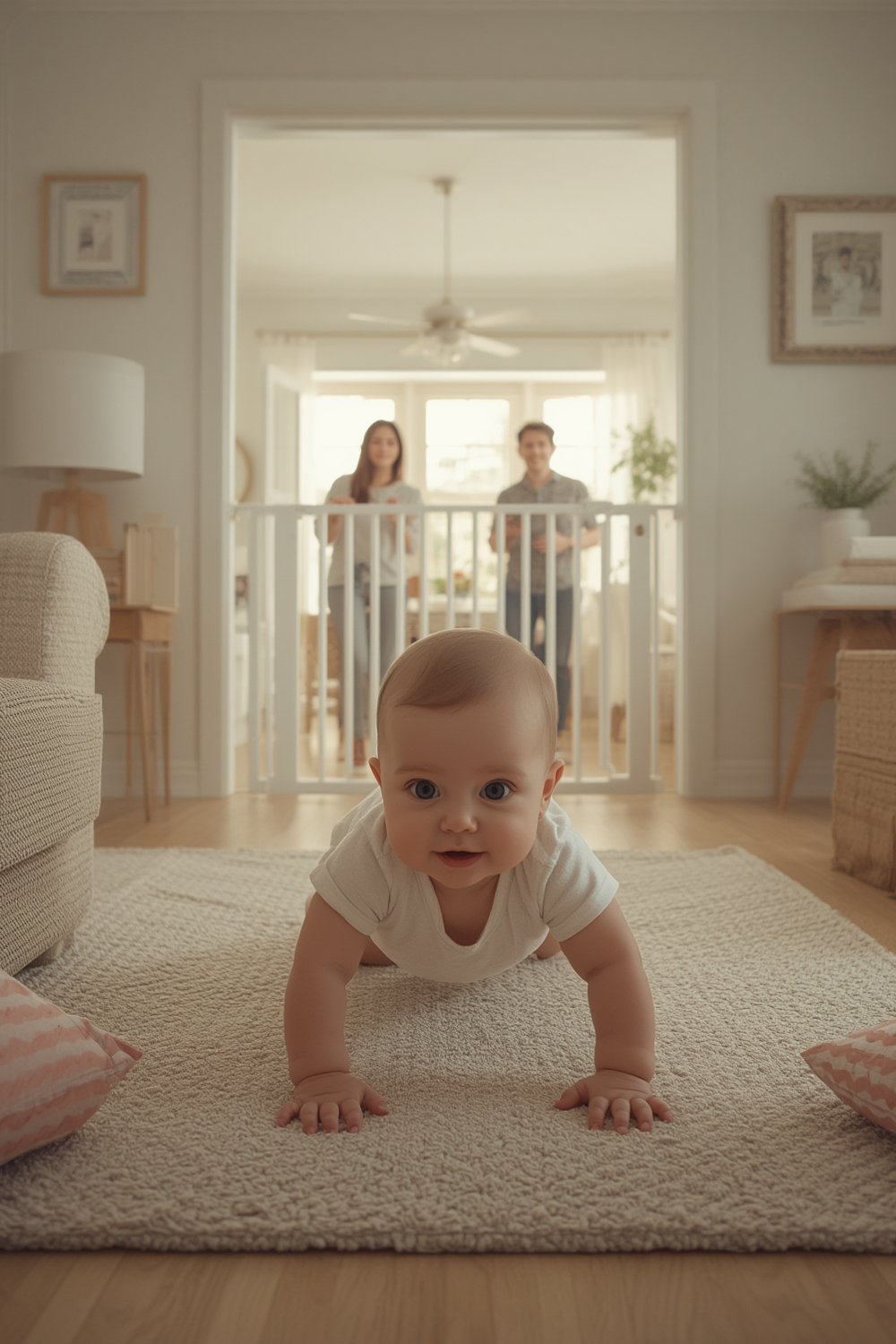
The real challenge? Most homes were never designed with babies in mind. Power outlets sit at eye level, furniture can topple, and even modern conveniences like smart speakers or USB chargers hide new risks. Baby proofing means thinking several steps ahead, anticipating how your child will move, explore, and interact with each area as they grow.
If you’re wondering how best to begin, you’re not alone. Many parents miss less obvious threats—like heavy furniture, dangling cords, and unsafe sleep spaces. For a deep dive into sleep safety and bedroom hazards, visit our safe sleep solutions guide.
Step-by-Step Guide: How to Baby Proof Home
Baby proofing isn’t a one-size-fits-all checklist; your home and your baby’s age require a plan that adapts along with their milestones. Below you’ll find an actionable, room-by-room summary with realistic advice.
1. Living Room & General Spaces
- Anchor all dressers, TVs, and bookcases to prevent tipping. Most furniture tip incidents happen in the living room during play.
- Cover unused electrical outlets and organize or secure charger cords, especially with the rise of smart home devices.
- Apply corner guards and edge bumpers to coffee tables, fireplace hearths, and media units.
- Install safety gates at stairs and rooms where hazards can’t be removed. For easy installation advice, refer to our baby safety gate guide.
2. Kitchen & Dining
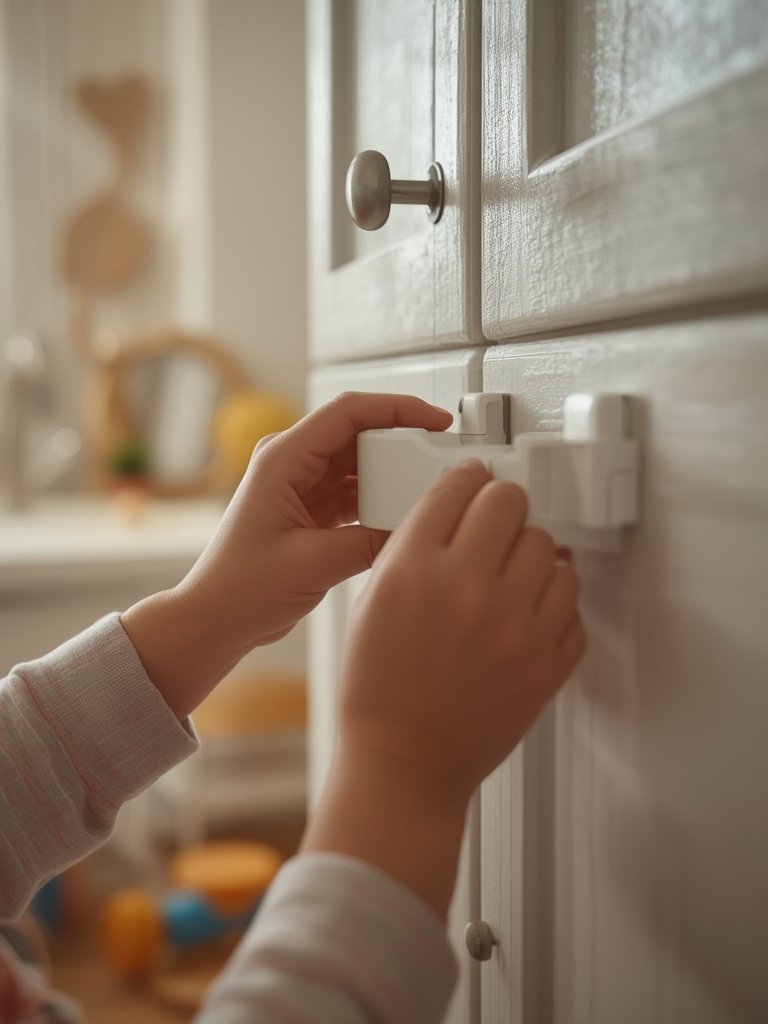
- Secure cabinet doors and drawers—especially those storing cleaners, medicines, and sharp utensils—using latches rated for babies.
- Stash all small magnets and button batteries high up; both are major modern swallowing hazards.
- Use stove knob covers and keep handles turned inward while cooking to prevent burns.
- High chairs should always use a harness, and the seat should be far from walls or counters to prevent climbing. Learn more in our baby feeding chair guide.
3. Nursery & Sleeping Spaces
- Choose a safe, bare sleep environment. Avoid pillows, quilts, stuffed toys, and especially bumper pads which increase suffocation risk (sleep-related deaths in Florida are preventable).
- Use a firm mattress, fitted sheet, and appropriate sleep sack. See our baby sleep sack guide.
- Keep the crib or bed away from windows, cords, or shelves that can be pulled down.
- Never place monitors or wires where a baby can grasp or chew them; opt for wire-free mounts or smart baby monitors with tangle safeguards, detailed in our monitor buyer’s guide.
4. Bathroom
- Install toilet locks, keep medicine and beauty products locked, and use a baby-designated bath thermometer. Check out our bath thermometer safety guide.
- Never leave a baby unattended in or near water—even shallow bathwater is a major risk.
- Add no-slip mats in the tub and on tile floors.
5. Modern Home Hazards
- Walk through your home to spot recently introduced risks like wireless speakers, robot vacuums, floor-level USB outlets, or trendy open shelves—many pose new dangers not covered in older guides.
- For open floor plans, consider portable gates and creative playpen layouts to create safe zones.
6. Emergency Ready
- Keep a stocked baby first aid kit on each level of your home (see kit essentials guide).
- Post poison control and CPR numbers near every phone and save them to your mobile contact list.
Advanced Analysis & Common Pitfalls
Even the most diligent parents make mistakes or run into overwhelm. Here’s where most baby proofing efforts fall short and what you can do about it:
Common Pitfalls
| Common Pitfall | Why It Happens | How To Avoid |
|---|---|---|
| Incomplete Room Coverage | Parents focus on ‘dangerous’ rooms only—kitchen or bathroom—ignoring hallways, bedrooms, or laundry areas. | Do a complete walkthrough of your entire home at baby’s level. Repeat as baby gains mobility. |
| Neglecting Sleep Safety | Soft items, used cribs, or bumper pads remain due to misinformation or culture. | Follow safe sleep guidelines—remove all extras except fitted sheet and sleep sack. |
| Poor Installation of Safety Devices | Improperly anchored gates, stuck-on cabinet locks, or loose outlet covers can fail fast. | Test every device after installation. Replace or upgrade weak products instantly. |
| Outdated Methods for New Hazards | Modern homes introduce WiFi devices, lithium batteries, and voice-controlled gadgets not covered by old advice. | Secure or relocate new tech—store batteries up high and use tamper-resistant outlets everywhere. |
| One-Time Proofing (No Updates) | Parents often baby proof once, missing new hazards as the baby grows and explores. | Set reminders to reassess every 3 months, or at each milestone: rolling, crawling, standing, walking. |
| Cost-Focused Decisions | Opting for cheapest gear over effectiveness can quickly backfire—some products fail under real pressure. | Choose quality over quantity for anchors, gates, and locks. Test and replace as needed. |
For issues with play spaces or toy clutter—which can become trip hazards as your child grows—visit our toy storage guide for actionable ideas.
It’s also essential to stay current. Local codes, new furniture trends, and wireless tech all require you to adapt your strategy. Some hazards—like button cell batteries and modern recliners—rarely appear in generic lists yet are implicated in rising injury rates worldwide. For the latest global statistics and accident trends by age group, review CDC child health reports or see the Saudi community study showing over half of under-fives experience a home accident.
Conclusion
Baby proofing is never truly “done” because babies grow and change fast. By staying proactive with your safety plan—and regularly assessing for new risks—you minimize the odds of falls, burns, suffocation, or poisoning at home. If you forget a step or miss a hazard, don’t panic. Begin again, fix the issues, and keep learning. Remember: how to baby proof home is not just a checklist—it’s an ongoing commitment to your child’s well-being. Take action today and review your safety setup on a regular schedule.
Ready to tackle your next parenting concern? Explore our expert tips on baby milestones and sleep schedules by age for a more confident start to each new stage.
Frequently Asked Questions
When should I start baby proofing my home?
It’s best to start baby proofing before your baby is mobile—ideally by 4 to 6 months. Crawling and rolling often happen months before parents expect, so early preparation is key.
What are the most overlooked baby proofing hazards?
New risk areas include button batteries, low USB outlets, robot vacuums, TV tip-overs, window blind cords, and products associated with smart home or wireless technology.
Can I rely on cheap or generic safety gear from online shops?
Not always. Some inexpensive products fail under stress. Look for safety products with strong, verified reviews and test everything immediately after installation.
Do I need to baby proof every room?
Yes. Even rooms used rarely (laundry, bathrooms, guest rooms) can pose significant overlooked risks like detergents, small tools, or sharp edges. A comprehensive approach is safest.
How often should I update my baby proofing measures?
Review and refresh your baby proofing setup every 3 months—or whenever your child meets a new milestone (rolling, crawling, pulling up, walking)—to keep up with their abilities.