

### Blog Post:
Is my baby underweight? This question worries many parents, but the answer depends on understanding growth charts, percentiles, and what healthy growth actually looks like. Babies grow at their own pace, and numbers alone rarely tell the full story. This comprehensive guide will show you how to assess if your baby is underweight, what percentile charts really mean, how to monitor progress at home, and which mistakes to avoid.
Key Takeaways
- Babies between the 3rd and 97th percentiles on internationally recognized growth charts are usually considered within a healthy weight range.
- Accurate, consistent tracking over time is crucial—don’t panic over a single data point.
- Assessment methods and charts differ by age and sex, so always use the right reference for your child.
- The Core Concept: What Percentiles Really Mean
- Step-by-Step Guide: How to Assess If My Baby Is Underweight
- Advanced Analysis & Common Pitfalls
- Conclusion
- FAQ
The Core Concept: What Percentiles Really Mean
Understanding whether your baby is underweight starts with growth charts and percentiles. Growth charts—such as the WHO Child Growth Standards—compare your baby’s weight to a global sample of healthy children. The percentile number tells you how your child ranks among peers:

For example, if your baby is in the 15th percentile for weight, it means they weigh more than 15% of babies their age and less than 85%. According to Pampers’ summary on baby growth charts, the majority of healthy babies fall between the 3rd and 97th percentiles. The “average”—the 50th percentile—is just the middle, not a target, and not every healthy baby hovers around 50th.
Growth charts are tailored by sex (boys and girls have different expected curves) and by age group: birth to 6 months, 6 months to 2 years, and 2 to 5 years. Under age two, use WHO growth charts as recommended by the AAP; for ages two and up, switch to CDC charts or your country’s official version.
| Percentile Range | Interpretation |
|---|---|
| Below 10th | Below average; your baby’s lighter than most peers |
| 10th–25th | Slightly below average; usually normal, monitor closely |
| 25th–75th | Average; typical healthy range |
| 75th–90th | Above average; heavier than many peers |
| Above 90th | Well above average |
No single weight is “ideal,” so the best assessment is steady percentile growth over several months. Always plot measurements on the proper chart for your baby’s age and sex.
Step-by-Step Guide: How to Assess If My Baby Is Underweight
- Measure accurately and regularly. Weigh your baby with the same scale, under similar conditions (before feeding, same time of day). For best accuracy, use a digital infant scale. Record measurements for weight, length, and head circumference.
- Use the right growth chart. Choose charts based on your baby’s age (UK-WHO for ages 0-4 years, or WHO/CDC). Remember to select the version for boys or girls.
- Plot your baby’s data. Mark your child’s weight on the chart to find the corresponding percentile. Repeat for length/height if possible, as weight-for-length can reveal if the baby’s weight fits their build.
- Assess the trend, not just the number. Growth should follow a smooth curve. Sudden drops or consistent falls below the 10th percentile may trigger concern, but one measurement below average is less important than a downward trend over time.
- Consult your pediatrician if needed. Bring your recorded data to your child’s checkups. A doctor can spot “red flags” and advise if any further assessment is needed, especially for preterm or medically complex babies.

Looking for more about healthy habits? Our post on baby development milestones walks step by step through what to watch for each month.
Need help with practical care? Our baby food maker buying guide can help ensure nutritious meals, supporting healthy weight gain.
Advanced Analysis & Common Pitfalls
Parents often fall into common traps when tracking baby weights. Here’s what to watch out for:
- Misinterpreting percentiles: Many assume the 50th percentile is a “goal,” but most healthy babies aren’t right in the middle. A baby at the 15th or 85th percentile is usually just as healthy—if growth is steady.
- Overreacting to small changes: Daily and even weekly weight can fluctuate due to feeding, hydration, or illness. Focus on long-term trends, not minor dips.
- Comparing with peers: Every child is unique. Comparing siblings or daycare friends often leads to unnecessary anxiety.
- Measuring inconsistently: Using different scales, measuring at varying times, or weighing after feeding can distort results. Consistency is crucial.
- Ignoring weight-for-length: Sometimes a baby is light for their age but perfectly proportioned for their height.
- Missing medical “red flags”: Failing to track growth in preemies or babies with health issues may delay intervention.
| Pitfall | Consequence | Solution |
|---|---|---|
| Only using weight-for-age | Missing context if baby is tall or short | Check weight-for-length chart |
| Comparing charts/styles (CDC vs WHO) | Different charts yield different results | Stick to one method until age 2; switch carefully |
| Home scale variations | Apparent “sudden drops” | Always use the same scale and routine |
You can supplement these practices with regular check-ins using infant wellness trackers (see the baby milestone tracker guide).
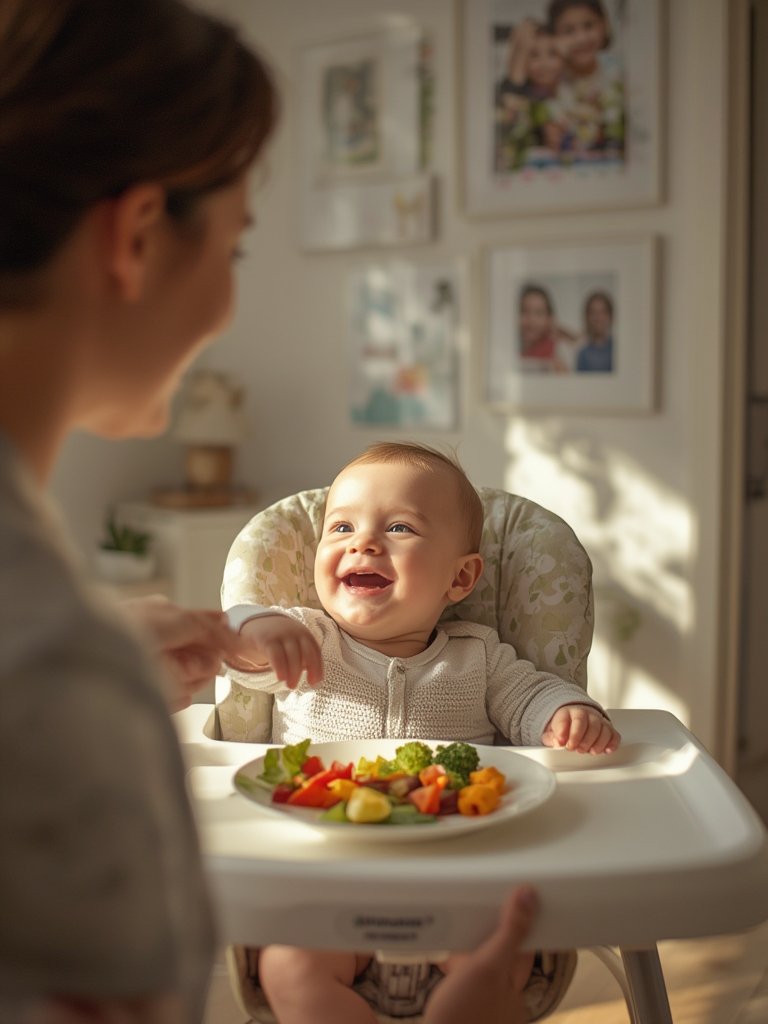
New parents concerned about feeding routines may also find our detailed formula feeding schedule guide and solid food introduction tips useful.
Conclusion
Understanding “is my baby underweight” comes down to regularly tracking data, interpreting growth charts correctly, and talking with a trusted pediatrician. Percentiles are tools, not judgements. Each baby’s healthy range is unique, and the best red flag is a significant change in trend—not a single low number. If you’re ever concerned, seek a professional evaluation.
Stay proactive: record growth at home, review charts, and read more about average baby weight by month to stay informed—and always reach out for help as soon as a concern arises.
FAQ
What percentile is considered “underweight” for babies?
Babies below the 10th percentile for weight-for-age may be labeled “underweight,” but only if growth has slowed or dropped over time. Always discuss with your pediatrician before drawing conclusions.
Can healthy babies fall below the 10th percentile?
Yes. Some babies are naturally small due to genetics or parental size. As long as their growth is consistent and developmental milestones are reached, lower percentiles can still be normal.
How can I accurately measure my baby’s weight at home?
Use a digital infant scale on a flat, firm surface. Weigh at the same time of day, ideally before a feed and after a diaper change, to keep conditions consistent.
What should I do if my baby drops percentiles?
If your baby’s weight percentile drops significantly or they aren’t growing in height/length as expected, contact your pediatrician for a full evaluation. Bring your growth records to the visit.
Is there a difference between WHO and CDC growth charts?
Yes. WHO charts are based on breastfed, internationally sampled infants and are standard for children under 2 years. CDC charts use US data from formula and breastfed infants, recommended after age 2.
—