

### Blog Post:
The newborn baby will only sleep if held. For exhausted parents, this scenario quickly turns nights and naps into a full-time job. You’re not alone: while there’s no official percentage, it’s a real experience for many families and navigating it safely is challenging. This guide will explain what’s going on, what you can actually do about it, and how to avoid the most common pitfalls—without sugarcoating the demands on you, your baby, or your family.
Key Takeaways
- There’s limited research on why some newborns only sleep when held, but the problem is common and can be overwhelming for parents.
- Safe sleep guidelines always recommend putting babies on their backs in a crib or bassinet, not while being held or co-sleeping.
- Practical steps focus on safe routines, gradual changes, and troubleshooting—but there’s no instant fix.
- Understanding Why Newborns Will Only Sleep If Held
- How to Help a Newborn Sleep Without Being Held: A Step-by-Step Guide
- Advanced Analysis & Common Pitfalls (Plus Realistic Problems)
- Conclusion
- FAQ
Understanding Why Newborns Will Only Sleep If Held
The first months are intense for both baby and parents. Newborns are wired for contact. After birth, their instincts drive them to seek warmth, heartbeat sounds, and the safety of being held. It’s not “bad behavior”—it’s biology. Still, the need to be held constantly for sleep can drain caregivers and create unsafe sleep situations if parents doze off holding baby.
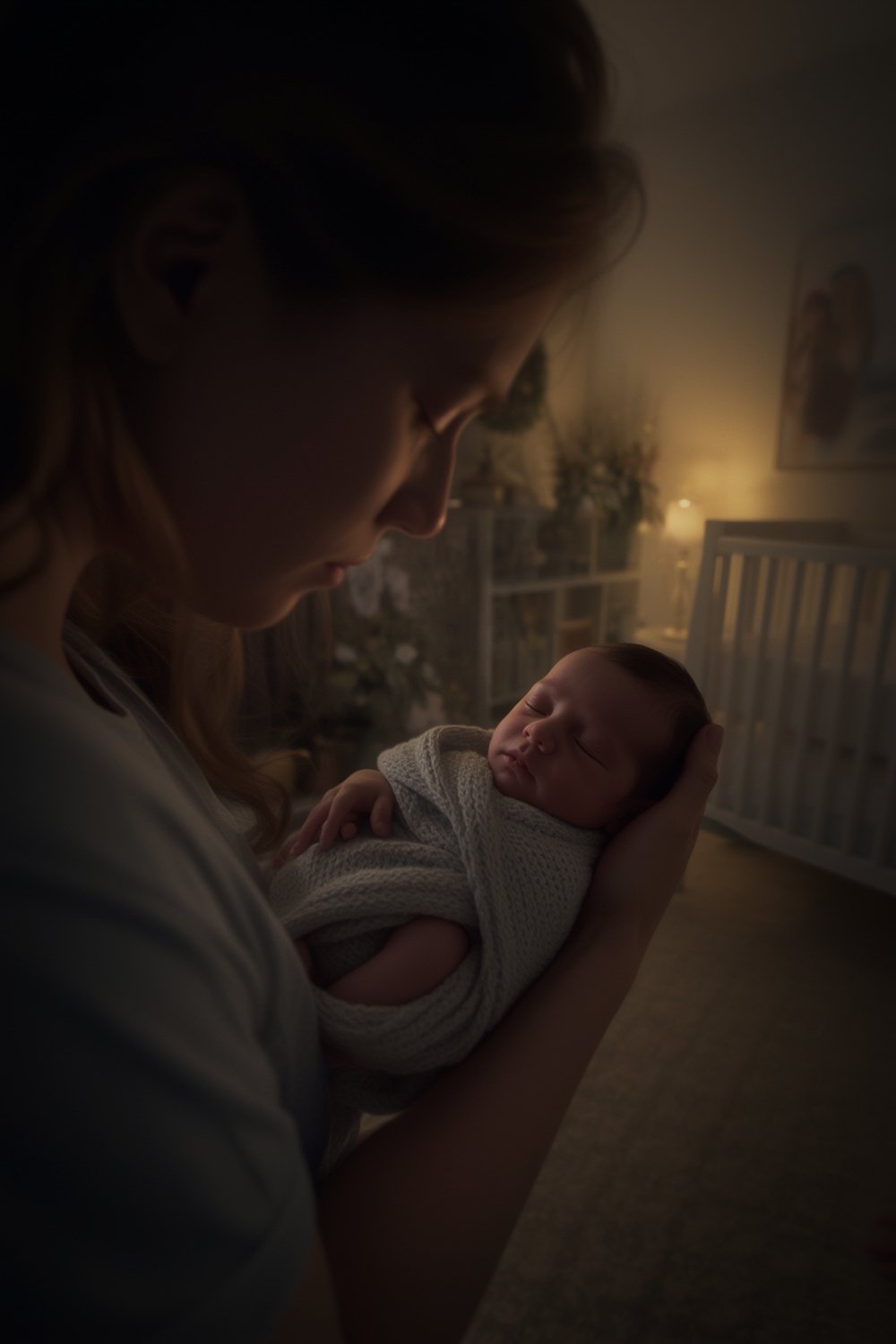
No major study quantifies exactly what percentage of newborns will only sleep if held. Most sleep research centers on safe positions—like back sleeping (practiced by 82.4% of U.S. parents) or co-sleeping rates (46% of parents co-sleep at least some nights).[source] The reality is, it’s a common phase, even if your friends or parenting forums don’t mention it often.
Understanding your baby’s sleep needs can help you plan next steps. For more details about newborn sleep schedules, check our comprehensive newborn sleep schedule guide.
How to Help a Newborn Sleep Without Being Held: A Step-by-Step Guide
There’s no magic solution, but adopting a safe, consistent routine gives you the best shot at change. Here’s how to gently encourage independent sleep, while respecting the realities of newborn development.
- Follow Safe Sleep Recommendations
Always put your newborn to sleep on their back, on a firm sleep surface with no soft bedding, pillows, or toys. This reduces SIDS risk. Even just “once in a while” unsafe sleeping increases danger.
Learn more about safe sleep practices. - Create a Simple, Predictable Sleep Routine
Start with a mini “wind down” that could include dimming lights, a short lullaby, gentle rocking, and a clean diaper. Routines help cue your baby for sleep, even during difficult phases like sleep regressions (resource). - Swaddling (if age- and developmentally-appropriate)
Swaddling soothes many newborns and mimics the feeling of being held. Make sure your swaddle is snug at the chest but leaves hips free and stop swaddling as soon as your baby attempts to roll. Always place swaddled babies on their backs. See our safe swaddling guide for more detail. - Practice Drowsy But Awake
Lay your baby down when they’re relaxed but not fully asleep. It’s normal if this fails several times at first—keep trying briefly at several sleep periods each day. - Comfort and Reassure (But Avoid New Habits That Are Hard to Break)
If your baby wakes and cries immediately, give a few moments to see if they resettle before picking up. Gentle patting or shushing can help, but avoid giving up and holding to sleep for every nap and night—otherwise, habits quickly set. - Consider White Noise and Darkness
Many babies sleep deeper with a consistent, low, background noise and minimal light (white noise machine safety tips). - Keep Realistic Expectations
Gradual progress is the norm. Newborns are not developmentally ready for self-soothing or structured sleep training. Some improvement usually comes closer to three months, but every baby is different.

For further support, many parents seek out strategies like ergonomic baby carriers (guide) for hands-free comfort during the day, but these are for awake time, not sleep. If you suspect a sleep regression, our article on the 4 month sleep regression covers what to expect and how to adapt.
For longer-term solutions, see if a baby sleep consultant might make sense for your family.
Advanced Analysis & Common Pitfalls (Plus Realistic Problems)
These are real problems and risks most families face when a newborn will only sleep if held:
- Unsafe Sleep Habits: Dozing off while holding your baby—on couches or beds—increases the risk of suffocation and SIDS. Most infant sleep deaths are linked to multiple unsafe factors.[source]
- Parental Burnout: Constant holding leaves parents sleep-deprived, increasing mistakes and the risk of mood disorders.
- Lack of Progress: Trying experimental sleep “tricks” found online can backfire if not evidence-based. Recent studies found rampant misinformation in social media sleep advice—only 14% of images in one analysis depicted safe sleep practices.[source]
- Stalled Independence: Rescue habits sometimes delay self-soothing milestones. However, newborn brains aren’t “manipulative”—connection is a biological need.
- Bad Product Choices: As of 2024, there are still no safe devices guaranteed to help newborns sleep solo. Be wary of any gadget or training program promising fast, holding-free sleep.[source]
If you’re interested in optimally setting up your baby’s sleep environment, our sleep sacks safety guide goes into detail about safer options than loose bedding or “nests.”
Compare common (but risky) responses to this challenge:
| Action | Risk Level | Potential Outcome |
|---|---|---|
| Holding baby all night while dozing in chair/bed | High | Suffocation/SIDS, extreme parental fatigue |
| Putting baby to sleep on tummy to “keep them down” | Very High | Increased SIDS risk (non-supine sleep linked to higher deaths) |
| Trying gradual crib transfers | Low/Moderate | May result in more wakeups but safest route |
| Buying “miracle” nests, loungers, sleep positioners | High | Unsafe; marketed goods often violate safe sleep standards |
| Hands-on comforting in crib (patting, shushing) | Low | Can reduce sleep association with holding, safest interim solution |
| Seeking professional advice if exhausted | Lowest | Expert guidance helps avoid unsafe shortcuts |
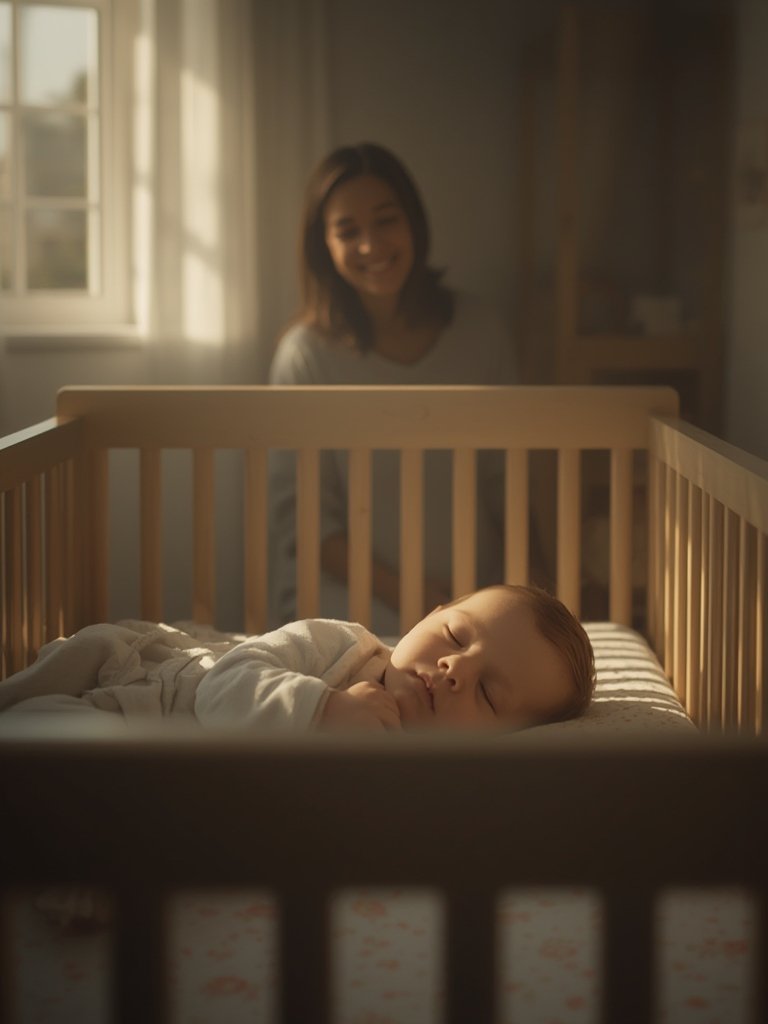
Many parents also report feeling guilt, guilt-tripping from others, or fear about “spoiling” the baby. There’s no evidence you can spoil a newborn, but safe sleep always comes first. If you’re reorganizing your nursery to support better sleep (for your baby and your own peace of mind), try these practical nursery storage tips to make late-night transitions smoother.
Conclusion
Coping with nights when the newborn baby will only sleep if held is overwhelming, but you’re not failing. Focus on safety above speed, aim for gradual progress, and ignore quick fixes not grounded in evidence. When in doubt, seek professional input and carve out short breaks when you can.
If your struggles continue, reach out for expert help or visit our related parenting guides. For structured daily rhythms, our baby sleep training guide offers further resources. Stay safe, be patient, and remember: better sleep is possible with consistent, gentle steps—never at the expense of safety. If you have questions or tips to share, add your voice in the comments or read more at MotherChildConnection.com.
FAQ
Is it dangerous if my newborn only sleeps while being held?
Yes, it can be. Sleeping with your baby in your arms (especially if you doze off) increases the risk of suffocation and SIDS. Always aim to transfer baby to a safe crib or bassinet as soon as possible after soothing.
Can these habits cause lasting sleep problems?
With gentle, gradual change, most newborns outgrow this phase naturally without long-term issues. Focus on building a consistent, safe routine rather than abrupt change or unsafely forcing independence.
When is it safe to let my baby sleep with a blanket or toy?
Wait until your child is at least a year old before introducing a blanket or soft toy. Stick to sleep sacks and firm cribs in the first year. Learn more in our sleep sack guide.
Are sleep positioners, loungers, or special gadgets safe for helping my baby sleep solo?
No. Most marketed sleep gadgets and positioners are not recommended by medical authorities. Stick with a bare, firm sleep surface and avoid products claiming to reduce SIDS or magically help babies sleep alone.
When do babies naturally start sleeping independently?
Some improvement occurs around three to four months, but every baby is different. Until then, patience and safety are key. If issues persist into later infancy, consult your pediatrician or a baby sleep consultant.