

### Blog Post:
Organic baby skincare has rapidly moved from a niche interest to a top concern for modern parents who want only the safest, purest solutions for their children’s delicate skin.
Key Takeaways
- Organic baby skincare products now comprise over half of all new baby skincare launches worldwide, with strong growth forecasted for years ahead.
- Parents are drawn to organic baby lotions and creams to avoid harsh chemicals, but should remain vigilant for hidden allergens and inflated marketing claims.
- Certification logos and simple, plant-based ingredient lists are crucial tools to verify true organic status and safety.
- What Is Organic Baby Skincare and Why Does It Matter?
- Step-by-Step Guide to Choosing Safe Organic Baby Skincare
- Advanced Analysis & Common Pitfalls in Organic Baby Skincare
- Conclusion
- Frequently Asked Questions
What Is Organic Baby Skincare and Why Does It Matter?
Organic baby skincare refers to the use of products made primarily from certified organic and natural ingredients—free from common chemicals like parabens, phthalates, sulfates, and synthetic fragrances. The goal is to protect your baby’s skin from potential irritants while supporting natural barrier function and sensitivity management.
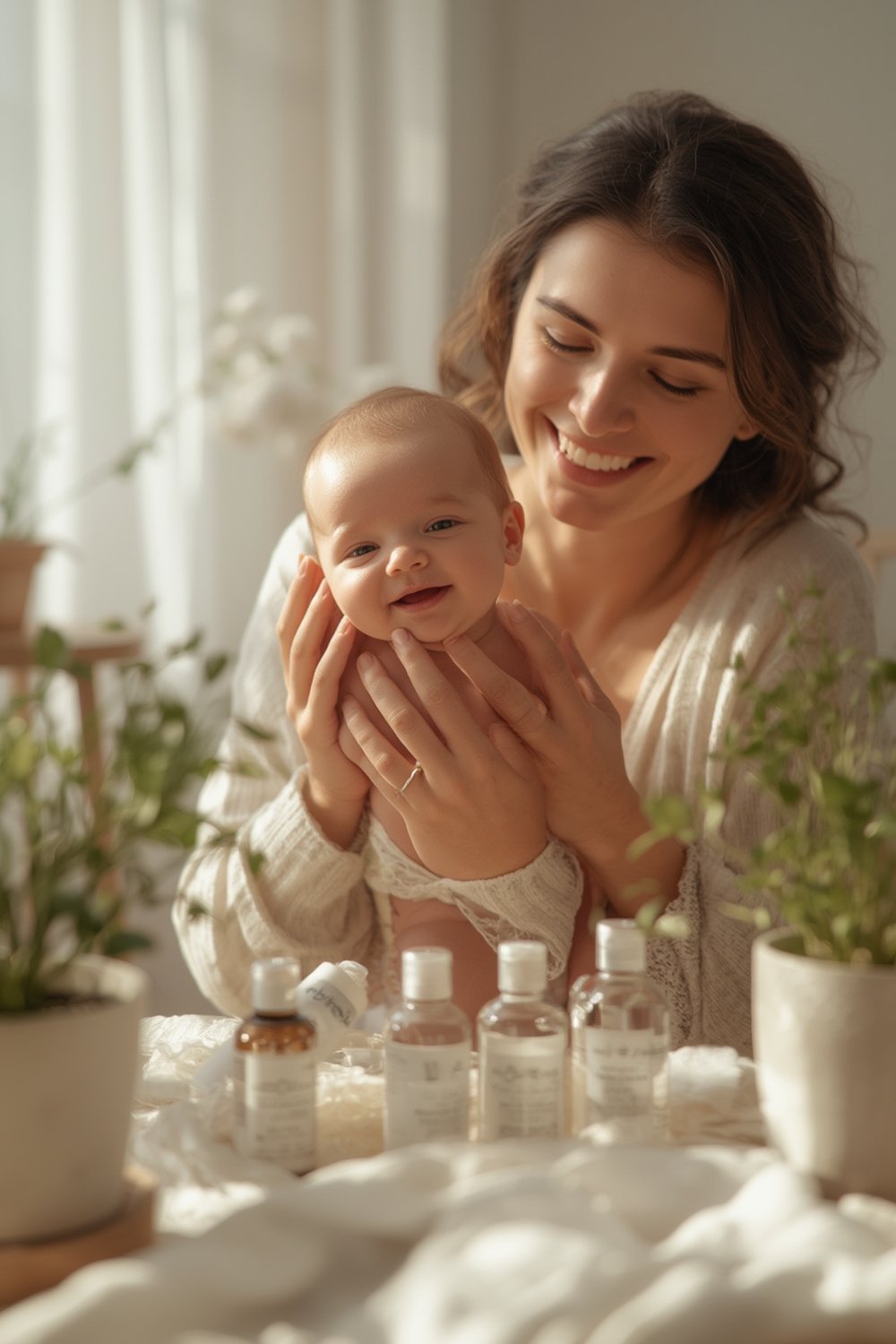
In 2024, organic baby skincare products accounted for 58% of all global new product launches, reflecting a continuous shift in consumer values (Industry Research). Millennials—the largest group of today’s new parents—are driving this surge, choosing formulations made with calendula oil, shea butter, coconut oil, and similar gentle, plant-based ingredients. Parents’ priorities have shifted toward avoiding skin irritations, allergies, and the long-term risks often tied to synthetic additives or artificial fragrances.
Notably, major global brands including Aveeno Baby and Johnson & Johnson are now investing heavily in organic, fragrance-free product lines. Europe leads in embracing hypoallergenic and ECOCERT/COSMOS-certified options, while the online segment for organic baby skincare is experiencing double-digit annual growth (Precedence Research).
But while “organic” sounds reassuring, not all products bearing this label are equal. Third-party certifications, transparent ingredient lists, and a clear understanding of formulation pitfalls are more important than ever for parents who want true peace of mind.
Step-by-Step Guide to Choosing Safe Organic Baby Skincare
Here’s a straightforward process to help parents select, verify, and use organic baby skincare safely and effectively:
-
Study the Ingredient List:
- Good products show simple, short lists. Primary actives often include calendula, shea butter, jojoba, or coconut oil.
- Avoid “fragrance” (unless it says “from essential oils”), parabens, sulfates, phthalates, PEGs, or phenoxyethanol—these are not typically found in certified organic formulas.
-
Verify Certifications:
- Look for trust marks: USDA Organic in the US, COSMOS Organic and ECOCERT in Europe, or AUS-QUAL in Australia.
- For international brands, check official certification directories or the brand’s official website for transparent batch tracking.
-
Patch Test First:
- Apply a pea-sized amount to a small area on baby’s arm and wait 24 hours. Redness, irritation, or dryness means the product may not suit your infant’s unique sensitivities. You may find a patch test kit helpful for this purpose.
-
Monitor Usage and Results:
- For normal skin, lotions are typically adequate; for eczema or dry patches, thicker butters or balms may help—but always check with your pediatrician for persistent problems.
-
Pay Attention to Packaging:
- Safe packaging means no BPA, phthalates, or other leachable plastics. In 2024, 33% of organic baby skincare lines now offer 100% recyclable containers (Precedence Research).
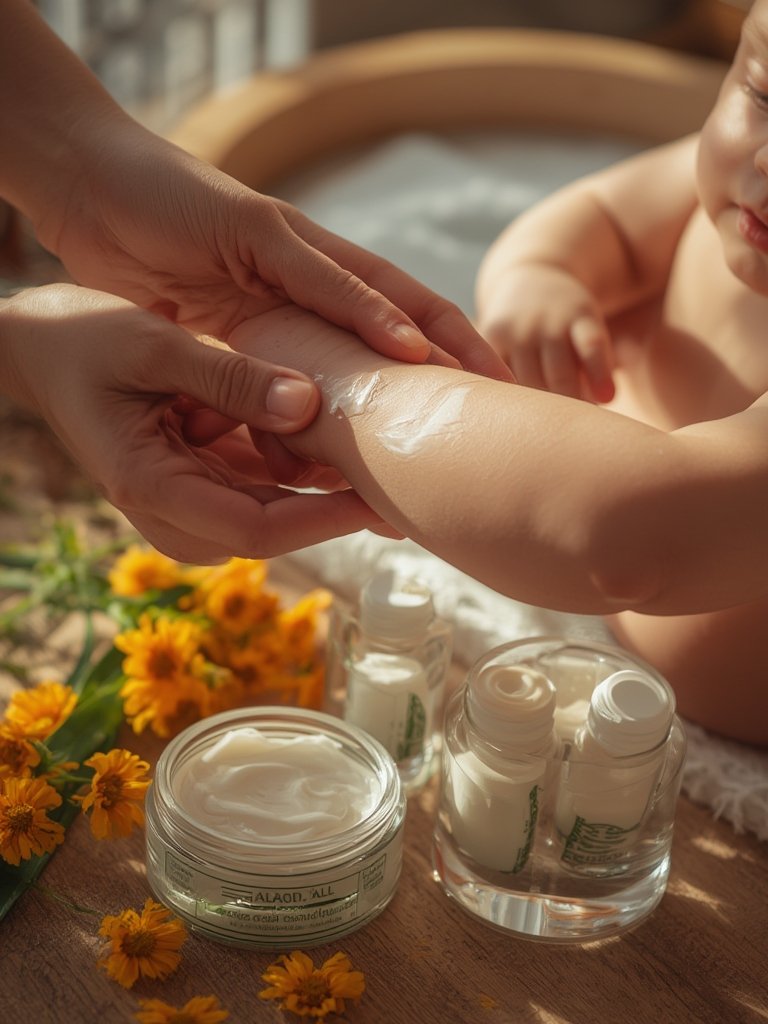
Make sure to review label transparency and ask your pediatrician about ingredients you’re unsure about—no product is suitable for every baby. To further safeguard your child’s health and environment, check out guides on crib safety tips and nursery storage.
Advanced Analysis & Common Pitfalls in Organic Baby Skincare
Even in the rapidly maturing organic baby skincare market, pitfalls abound. Here’s what most parents overlook—and how you can avoid stressful mistakes.
Common Pitfalls
- Confusing “Natural” and “Organic”: Not all natural ingredients are organic, and the term “natural” is largely unregulated. Only certified organic products undergo strict ingredient sourcing and auditing.
- Ignoring Allergen Warnings: Common allergens (even in “natural” products) include nut oils, wheat derivatives, some essential oils (like tea tree or peppermint), and lanolin. Always check for known allergens, especially if your family has a history of allergies.
- Overlooking Certification Integrity: Some brands display unverified or “DIY” organic logos, misleading buyers. If a certification logo looks unfamiliar or isn’t detailed on the certifier’s own directory, verify directly via official online sources like ECOCERT.
- Expecting Miracles: Organic products can minimize irritation, but persistent or deep skin issues—like moderate eczema, cradle cap, or stubborn rashes—almost always require a tailored medical approach. There’s no “one size fits all” solution.
- Overpaying for Trendy Packaging: Sustainable packaging and premium branding often lead to higher costs (as research confirms), but these do not always indicate superior formulation quality (Verified Market Research).
Ingredient & Cost Comparison Table
| Product Type | Organic Baby Cream | Conventional Baby Cream |
|---|---|---|
| Main Ingredients | Calendula, shea butter, coconut oil, aloe vera (plant-based, certified organic) | Petrolatum, mineral oil, parabens, synthetic fragrance, PEGs |
| Common Allergens | Nut oils, essential oils, wheat proteins | Parabens, phthalates, artificial fragrance |
| Certification | USDA Organic, COSMOS, ECOCERT | Seldom certified organic; regulated for safety but may lack eco-friendly labels |
| Typical Retail Price | Higher (Premium for certification, quality sourcing, R&D) | Lower (Wider range, often priced for mass market) |
| Packaging | Biodegradable, recyclable, BPA-free (33% of new products in 2024) | Often standard plastics, less focus on sustainability |
When in doubt, review best practices for healthy baby routines in baby care tips or consult resources on baby essentials for additional peace of mind.

Conclusion
The best approach to organic baby skincare blends caution, education, and a dose of realism. Rely on simple ingredient lists, trusted certifications, and measured expectations. While organic baby lotions, creams, and washes aren’t cure-alls, they can reduce unnecessary chemical exposure and help keep young skin healthy. For even more parenting strategies and evidence-based product guides, bookmark this site and revisit our home pages on bath and body care.
Your child’s wellbeing deserves the best—start today by double-checking your labels, prioritizing transparency, and making organic baby skincare part of a holistic approach to childcare.
Ready to upgrade your family’s wellness routine? Sign up for our practical, science-based parenting tips and get notified about new organic skincare research and reviews.
Frequently Asked Questions
Is organic baby skincare actually safer than conventional baby skincare?
Certified organic baby skincare removes many common irritants and controversial chemicals. However, it’s not strictly “risk free”—natural ingredients can be allergenic, and no skincare works for every baby. For complex rash or eczema cases, always consult your pediatrician.
How do I verify if a baby lotion is truly organic?
Look for recognized third-party certifications like USDA Organic, COSMOS, or ECOCERT on packaging or brand websites. Research the certifier’s database online if you’re unsure about a logo’s legitimacy.
Why are organic baby creams and lotions more expensive?
Premium pricing reflects quality control, strict ingredient sourcing, higher production costs, and certification audits. You’re also paying for sustainability commitments and low-impact packaging.
Can babies develop allergies to “natural” or “organic” products?
Yes. Even certified organic ingredients like nut oils, oats, or specific essential oils can trigger reactions in sensitive babies. Always patch test and read allergen disclosures carefully.
Should I use organic skincare for every baby skin issue?
No. While organic products work well for everyday moisturization, persistent eczema, dermatitis, or severe reactions may need medicated or prescription solutions under pediatric supervision.
—
[…] to round out your baby care knowledge? Visit our guides on smart baby monitors and organic baby skincare tips for complete peace of […]
[…] Consider Certifications and Claims: Look for FDA recognition of actives, EWG verification (for low-toxicity scores), and “reef safe” or “biodegradable” seals. Beware that some popular brands make self-claims without third-party proof. Learn more about what these certifications mean in our organic baby skincare guide. […]
[…] about chemicals in products? Our organic baby skincare overview covers low-irritant […]
[…] skin irritation occur, cross-check your formula’s ingredient list and review our suggestions for organic baby skincare solutions to reduce exposure to harsh chemicals […]
[…] parents also concerned about chemical free baby care and safe toy storage, the focus on healthy, certified materials is now more than a trend—it’s a […]
[…] a full overview of what “hypoallergenic” really covers, check out our organic baby skincare guide—especially if your child struggles with eczema, allergies, or frequent rashes. For home safety […]
[…] about ingredient transparency or organic choices? See our guide to clean baby skincare for tips on reading supplement labels and minimizing potential […]
[…] parents balancing style and safety, it helps to browse guides on organic baby skincare and safe sleep for toddlers, since both include direct product safety […]
[…] your focus is on all-around baby wellness, also browse our guides on organic baby skincare or building a personalized nursery—complete protection and a smart future go hand in […]
[…] you’re seeking more ways to ensure your baby’s best start, don’t miss our organic baby skincare essentials and safe nursery monitoring tech […]
[…] For chemical-free skincare, explore our organic baby skincare guide. […]
[…] and Rely on Reputable Baby Care Resources Use guides like organic baby skincare or baby teething gel safety. These article-based sources break down actionable tips, product […]
[…] Inspect materials for skin safety. Soft, chemical-free, and hypoallergenic fabrics are preferred. For tips on gentle materials, explore our organic baby skincare guide. […]