

### Blog Post:
Problem-solving toys 9-12 months are more than just colorful distractions—they lay the foundation for critical cognitive and motor skills at a pivotal stage in your baby’s development. If you want realistic, up-to-date advice on what to buy and how to use these toys safely, here’s what you need to know.
Key Takeaways
- Problem-solving toys for 9-12 month-olds help with fine motor skills, sensory exploration, and cause-and-effect learning.
- Look for toys with large, graspable pieces, safe materials, and a variety of tactile elements to maximize engagement and safety.
- Reviews cite quality concerns and feature limitations, so hands-on comparison and reading expert advice is key.
- What Are Problem-Solving Toys for 9-12 Months (and Why They Matter)
- How to Choose and Use Problem-Solving Toys for 9-12 Month-Olds: Step-by-Step
- Advanced Analysis and Common Pitfalls When Using Problem-Solving Toys
- Conclusion
- FAQ
What Are Problem-Solving Toys for 9-12 Months (and Why They Matter)
Problem-solving toys for 9-12 month-olds are designed to spark curiosity and encourage your baby to interact, experiment, and make things happen. These toys go beyond entertainment: they stimulate developing brains and bodies during a period of rapid neural growth.
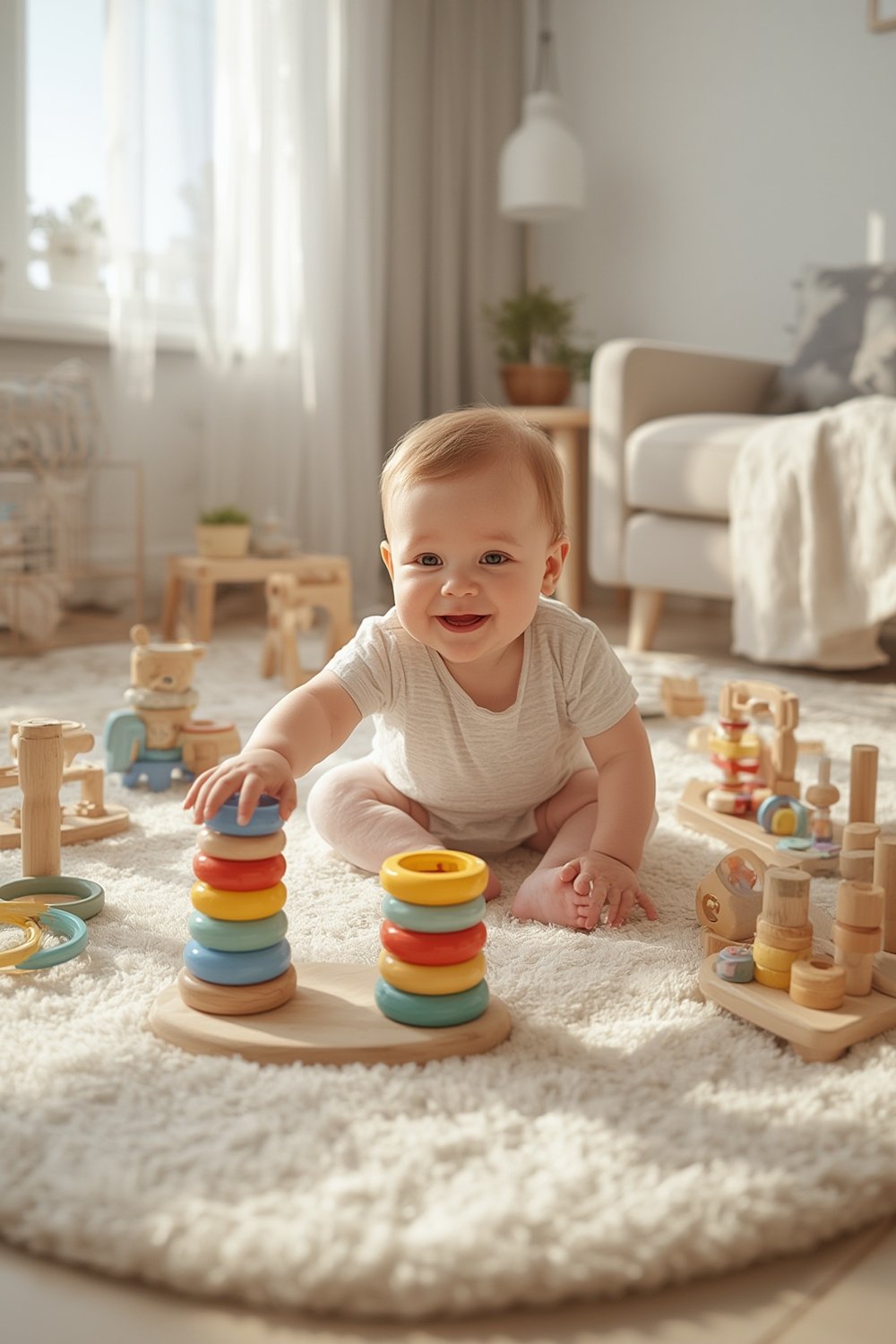
According to pediatric experts, toys like shape sorters, stacking rings, and simple puzzles offer a safe way for babies to improve fine motor control, visual tracking, and hand-eye coordination. Stacking and sorting help babies understand spatial relationships and cause-and-effect. Toys with buttons, doors, or pop-up features offer immediate feedback, rewarding exploration and linking actions and outcomes. Textured toys and those with various shapes add a sensory element which is vital for tactile exploration.
There is no single toy that guarantees fast-track development, and no 2024 data ties specific toys to direct milestones by percentage. However, consistent exposure to engaging problem-solving toys supports overall growth at this stage and helps prepare for later complex skills. For more about reaching key age milestones, see our Baby Developmental Milestone Tips.
How to Choose and Use Problem-Solving Toys for 9-12 Month-Olds: Step-by-Step
Quality over quantity is key with problem-solving toys 9-12 months. Here’s a highly actionable approach to getting it right:
-
Research Toy Types and Benefits:
- Shape sorters: Teach positioning, matching, and hand-eye coordination.
- stacking rings: Aid cause-and-effect understanding and pincer grasp development.
- Puzzles or pop-up toys: Encourage hypothesis testing, fine motor skills, and memory recall. See expert breakdown of toy categories for more details.
-
Check Safety Features:
- Verify toy parts are too large to fit through a toilet paper roll to reduce choking risk.
- Look for smooth, non-toxic materials and sturdy construction.
- Opt for toys with clear certifications when possible (like ASTM or CPSIA), though these may not always be listed explicitly for newer models.
For more on keeping playtime safe and organized, you may want to check out our Kids Toy Storage Solutions Guide.
-
Observe Your Baby’s Developmental Needs:
- If your baby isn’t crawling yet, prioritize toys that roll or encourage mobility.
- For babies showing early signs of object permanence, stacking and nesting toys or peek-a-boo pop-ups are best.
- If sensory processing is a concern, pick toys with multiple textures and resistance levels.
If you’re still figuring out crawling milestones, our resource on when babies start crawling gives further guidance.
-
Read Real Parent Reviews:
- Check for comments on durability, feature variety, and safety.
- Watch for repeated complaints, such as limited replay value with some remotes or stacking toys (source).
-
Set Up a Safe Play Area:
- Use a large foam mat or soft rug to protect babies as they explore.
- Supervise play sessions closely, especially for babies who still mouth everything.
- Rotate and sanitize toys often.
-
Track and Adapt:
- Notice which toys spark longer, independent play and which get ignored—this will guide your future purchases.
- Check for visible developmental progress, like improved pincer grasp or longer focus times.
-
Manage Your Budget:
- High-quality toys usually cost between $9.95 and $39.99 (pricing guide).
- Create a wishlist or share via a registry if cost is a concern (Amazon Baby Registry tips).
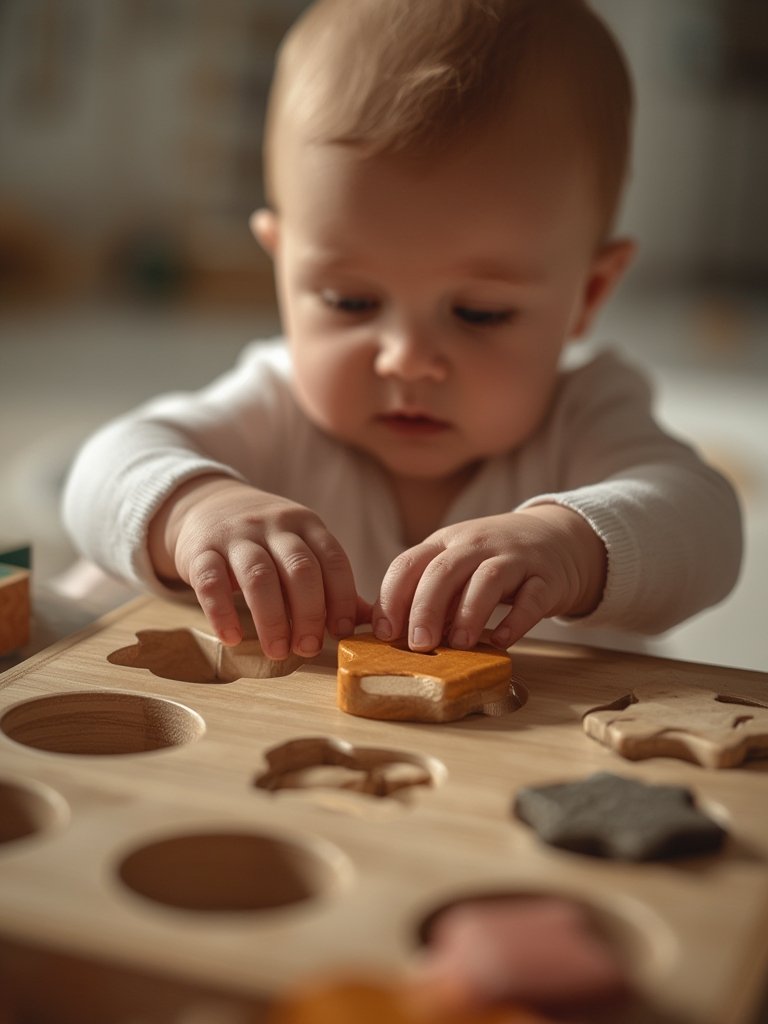
Curious for more toy ideas and reviews for this age range? Don’t miss our companion post on toys for babies 9-12 months with product round-ups and play tips.
Advanced Analysis and Common Pitfalls When Using Problem-Solving Toys
No toy is perfect for every child, and even the best problem-solving toys 9-12 months come with caveats. Understanding what can go wrong is essential for safe and productive play.
Common issues highlighted in verified reviews:
- Durability concerns: Classic stacking toys sometimes have parts that dent or lose color with heavy use.
- Feature limitations: Some toys, such as early “remotes,” may be engaging for a week or two, then lose their appeal. Babies at this stage often crave new sensory feedback and variety.
- Over-saturation: Too many toys in the play area can overwhelm babies and reduce attention span. Keeping only a few toys available each week boosts engagement.
- Lack of inclusivity: Many top-rated toys are not well adapted for children with sensory processing issues or motor delays. If your baby needs extra support, look for toys with easy-to-grasp features or variable resistance.
Unique benefits by toy type:
| Toy Type | Cognitive Benefits | Motor Skill Benefits |
|---|---|---|
| Shape sorters | Space, positioning, and shape matching (see details) | Hand-eye coordination from fitting shapes |
| Stacking toys | Learning cause-and-effect, object permanence | Fine motor and pincer grasp strengthening |
| Simple puzzles | Problem-solving, memory recall, stimulus-response | Manipulating levers and buttons for practice |
Recent reports confirm that there have been no major recalls or safety warnings relating to puzzle and learning toys specifically designed for the 9-12 month group (see safety info). Still, check every package for current manufacturing certifications, and regularly inspect toys for cracks, sharp edges, or loose parts.

If you want more real-world safety guidance for your baby’s entire environment, including sleep and play, visit our Safe Sleep Solutions Guide.
Conclusion
When chosen carefully, problem-solving toys 9-12 months can be a simple, effective foundation for building skills and confidence. Focus on toys that are safe, developmentally appropriate, and varied enough to keep your baby’s interest and offer fresh challenges. Observe how your baby responds, rotate regularly, and prioritize quality over quantity.
Ready to upgrade your toy box and see your child’s development in action? Try out a few new problem-solving toys 9-12 months today, and don’t forget to track milestones as your little one discovers, stacks, sorts, and solves!
Need more organizing advice as your collection grows? See our Toy Storage Guide. Want recommendations for slightly younger babies? Explore our guide to the Best Toys for Babies 6-9 Months.
FAQ
Are problem-solving toys safe for 9-12 month-old babies?
Most reputable brands design toys for this age with large, sturdy pieces and non-toxic materials. Always check for choking hazards and ensure toys are undamaged before use. Review each package for age recommendations and certifications when available.
What is the average price for high-quality problem-solving toys in 2024?
Most high-quality problem-solving toys and baby puzzles for 9-12 months range from $9.95 to $39.99. Buying in multi-packs or via registries can bring down the cost further.
How do I know which problem-solving toy is right for my baby?
Look for toys that match your baby’s current skills and interests. If your child loves putting things together, try stacking and nesting sets. For those fascinated by mechanism, shape sorters or pop-up puzzles are best. Watch your baby’s engagement to guide future purchases.
Are there recalls or safety warnings for popular baby learning toys?
No recent recalls were found for toys marketed specifically for 9-12 month-olds, but it’s important to regularly check for updated safety alerts and inspect toys for any wear that could pose a hazard.
How should I clean and maintain these toys?
Most plastic and silicone toys can be wiped down with soapy water. Avoid submerging toys with electronic components. Regular cleaning will help maintain safe play, especially as babies in this phase still mouth objects frequently.