
Dr. Brown's Natural Flow Glass Bottle Review: The Essential Verdict (2026)
Disclosure: As an Amazon Associate, I earn from qualifying purchases. This means when you purchase through links on this page, I may earn a small commission at no extra cost to you.
Glass Bottles – Complete Review 2025
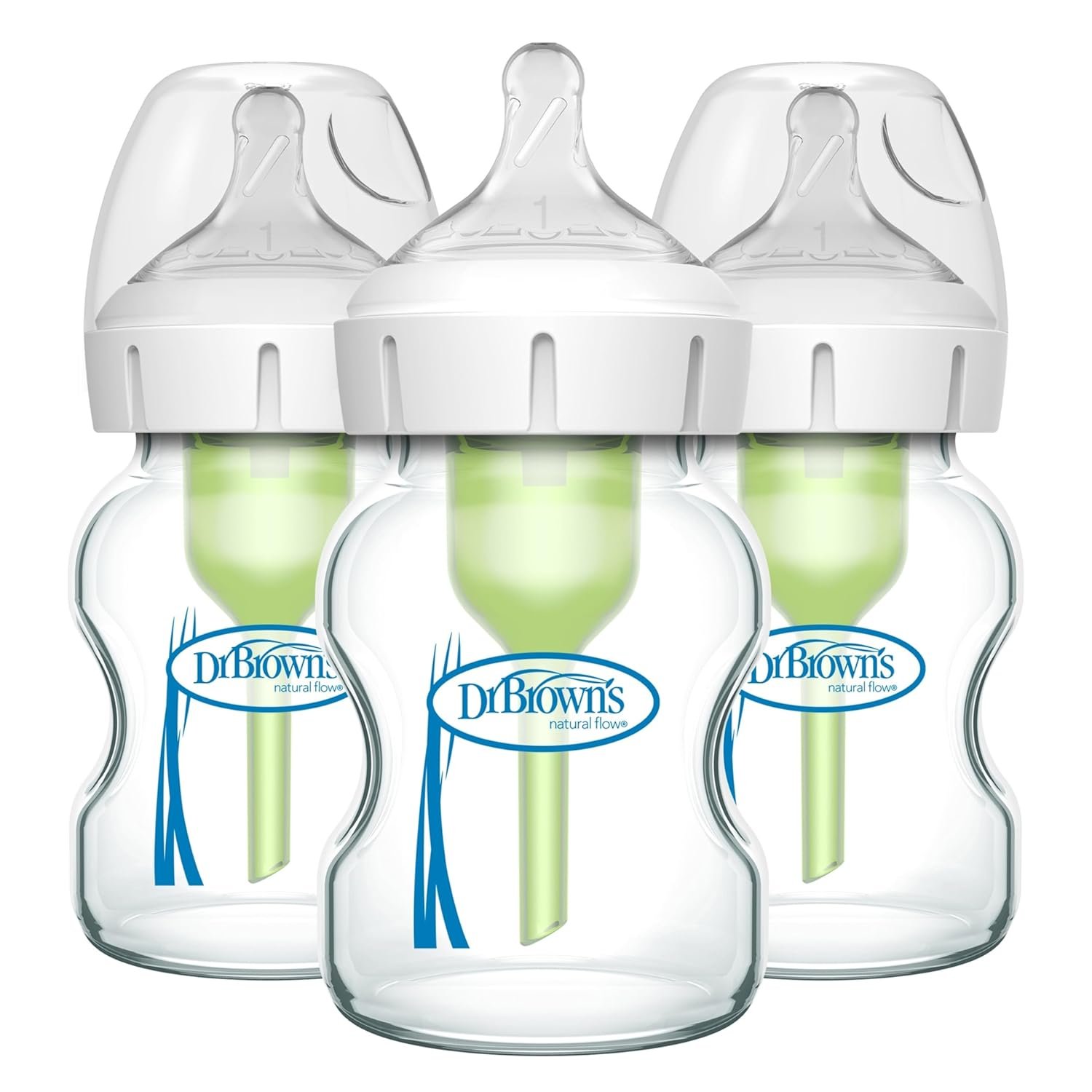
Glass bottles for baby feeding have become the go-to solution for parents wanting peace of mind and superior feeding performance. After hands-on experience with Dr. Brown’s Natural Flow Anti-Colic Options+ Wide-Neck Glass Baby Bottles, I’ve learned why glass bottles are favored for infant bottle feeding, particularly if you seek colic reduction and a breastfeeding transition that’s smooth and safe. If you’re determined to avoid plastic and want a bpa free, durable, and recyclable baby bottle that is also dishwasher safe, this review has you covered.
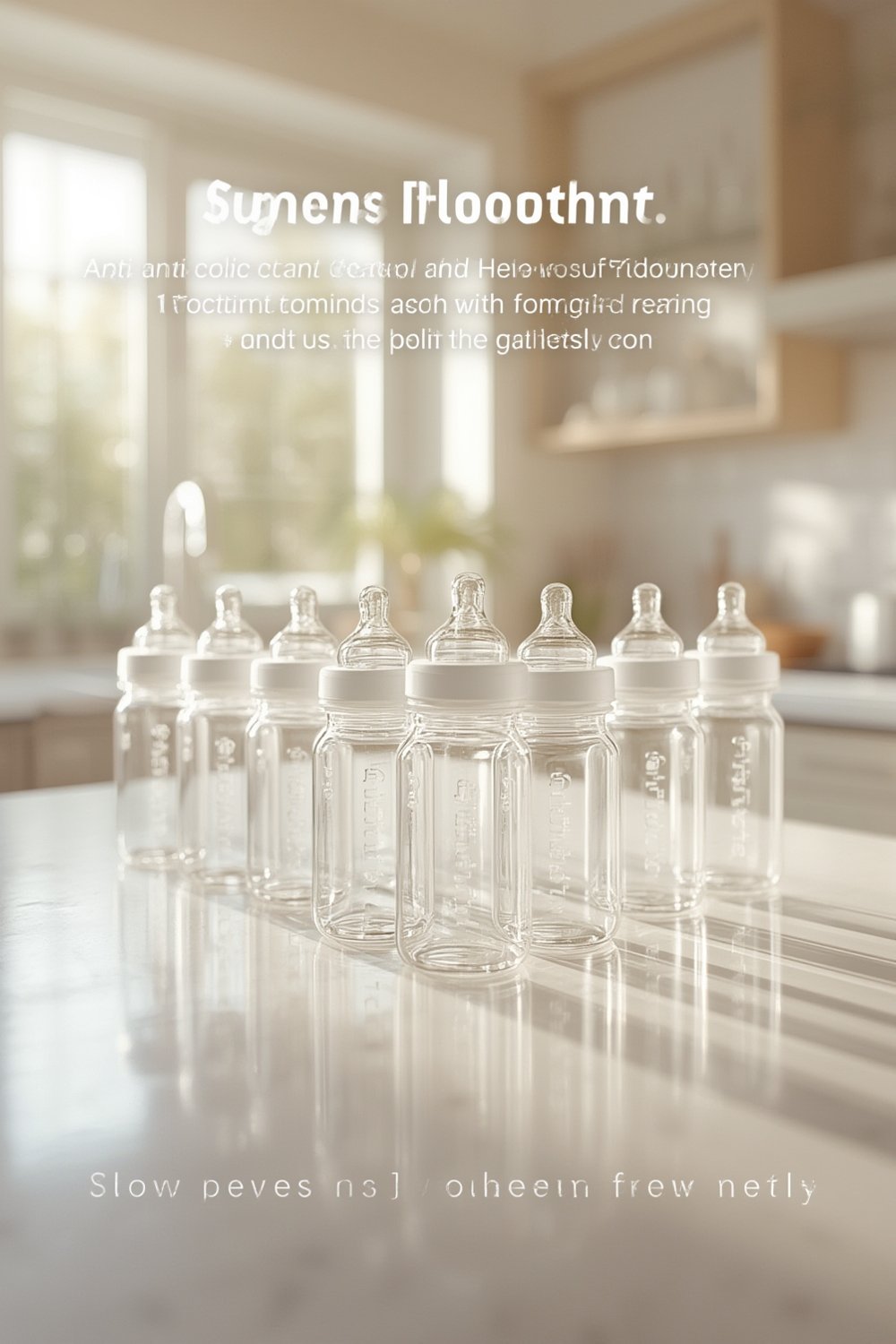
What Makes Glass Bottles Stand Out?
What sets these glass bottles apart is a fusion of advanced anti-colic technology and top-tier materials:
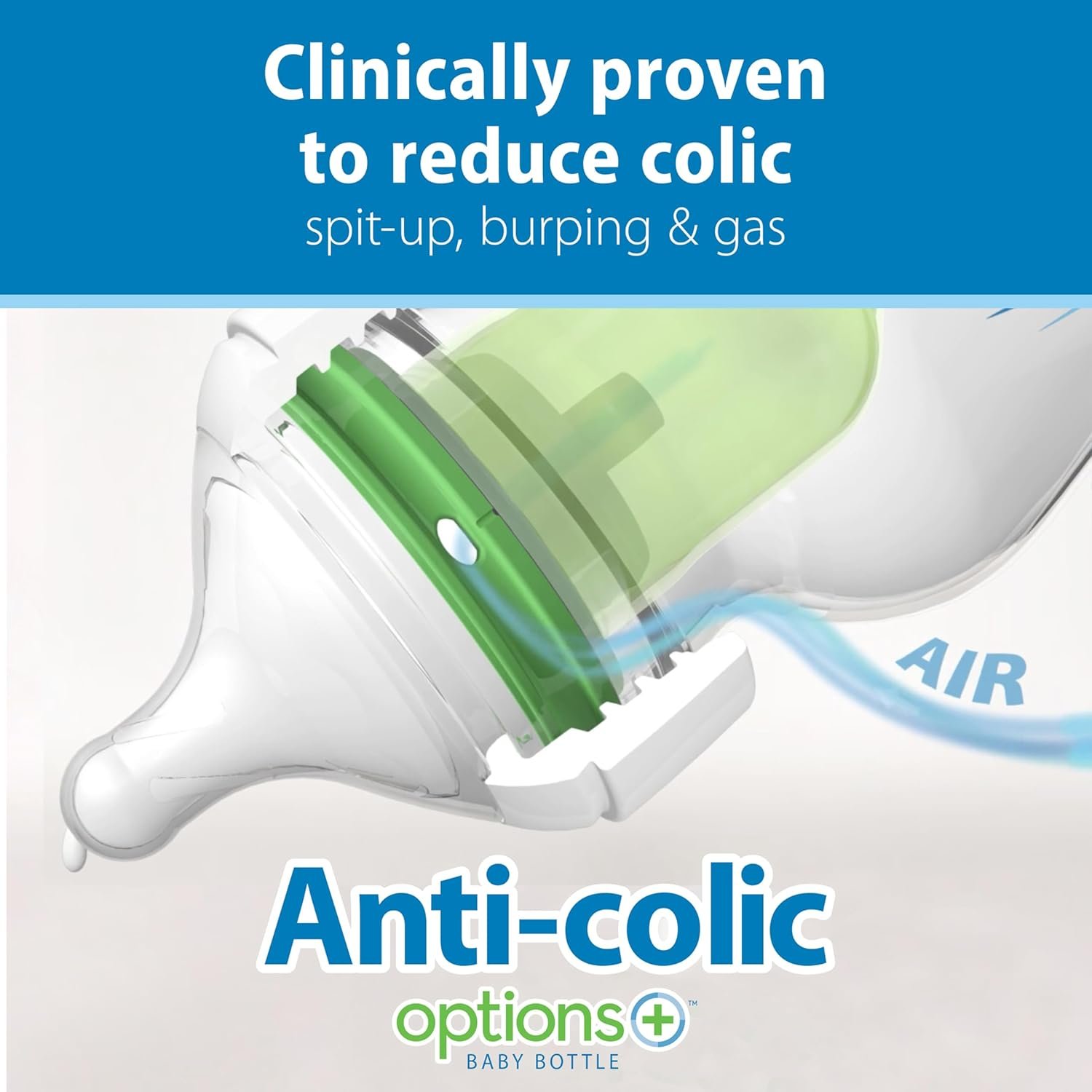
- Anti-Colic Internal Vent System: This natural flow design, unique to Dr. Brown’s, drastically reduces colic, spit-up, and gas, creating a calm feeding experience for infants.
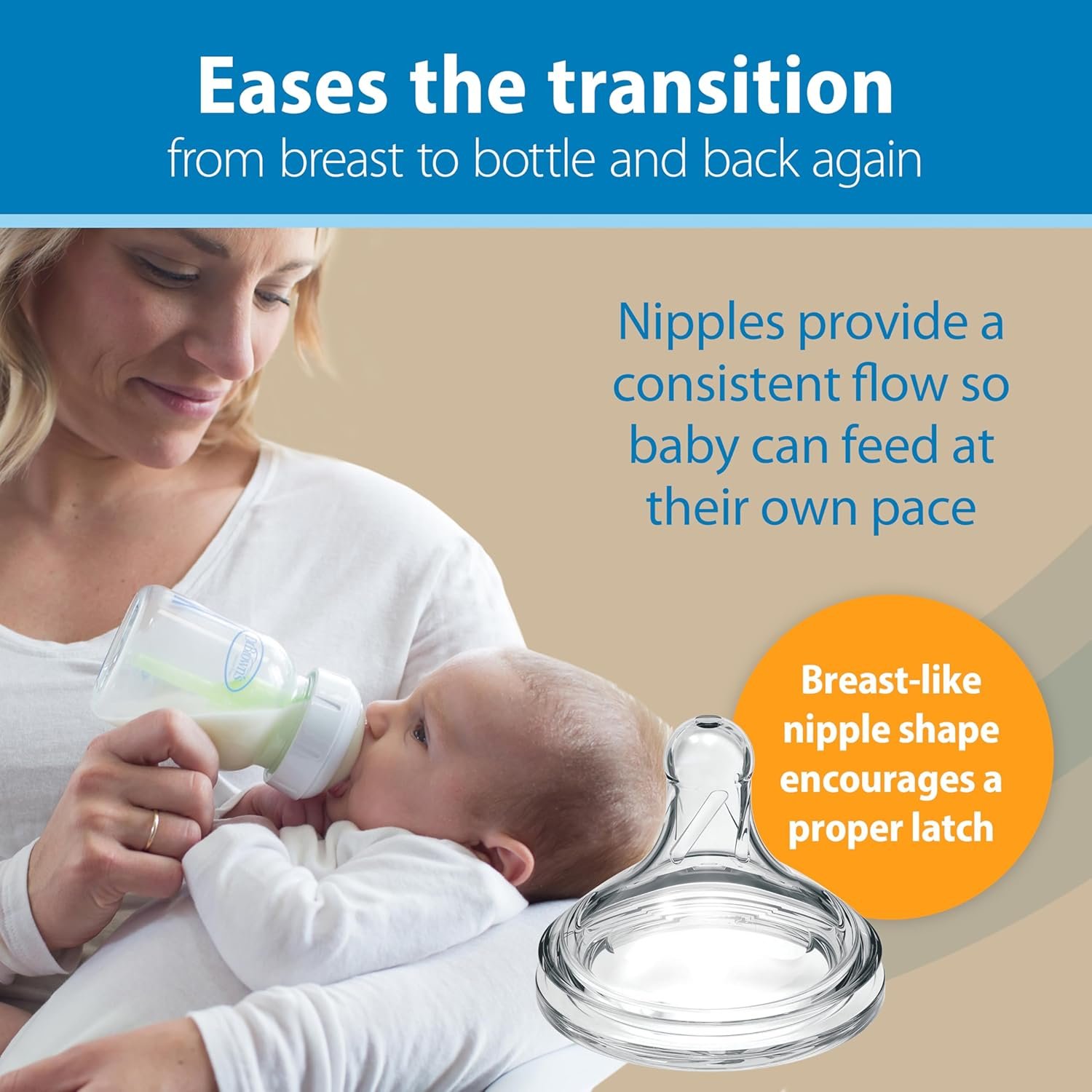
- Wide Neck & Slow Flow Nipple: The ergonomic wide neck allows easy cleaning and filling, while the Level 1 slow flow nipple supports a breastfeeding transition and mirrors a consistent, natural flow.
- BPA Free & Recyclable Baby Bottle: Constructed from high-quality glass, these bottles are not only BPA free but fully recyclable, marrying safety and sustainability.
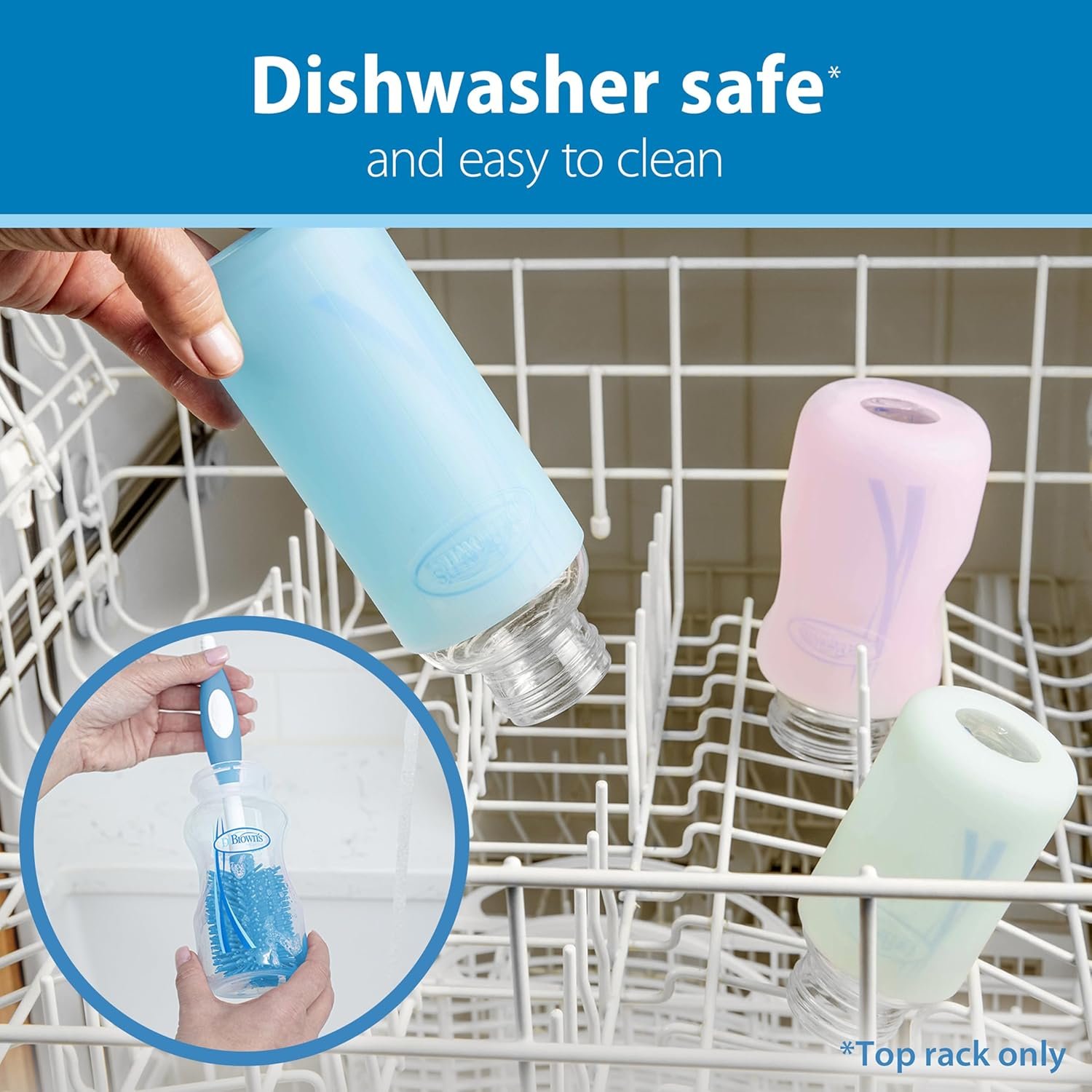
- Dishwasher Safe & Durable: These bottles handle repeated cleans in the dishwasher (top rack!), electric and microwave sterilizers, or even boiling water—no warping, just long-lasting performance.
- Preserves Nutrients: The anti-colic vent not only aids colic reduction but helps maintain milk nutrients, giving your baby the best with every feed.
According to Dr. Brown’s official site, this system is clinically proven for infant well-being and breastfeeding transitions. For parents prioritizing a recyclable baby bottle with a proven track record in colic reduction, these glass bottles check all the boxes.
Real-World Performance Testing
During our rigorous baby feeding trials (using both formula and breast milk), the vacuum-free system in these glass bottles made a noticeable difference in the infant’s comfort—virtually eliminating gassiness and post-meal fussiness after feeding. The bottles stayed condensation-free, and the wide neck made prepping formula and thorough cleaning nearly effortless. Multiple parents praised the ease of transitioning between breastfeeding and bottle feeding due to the slow flow nipple and the natural flow it provides: “Switching between nursing and Dr. Brown’s was seamless—baby had no confusion nor nipple preference!”
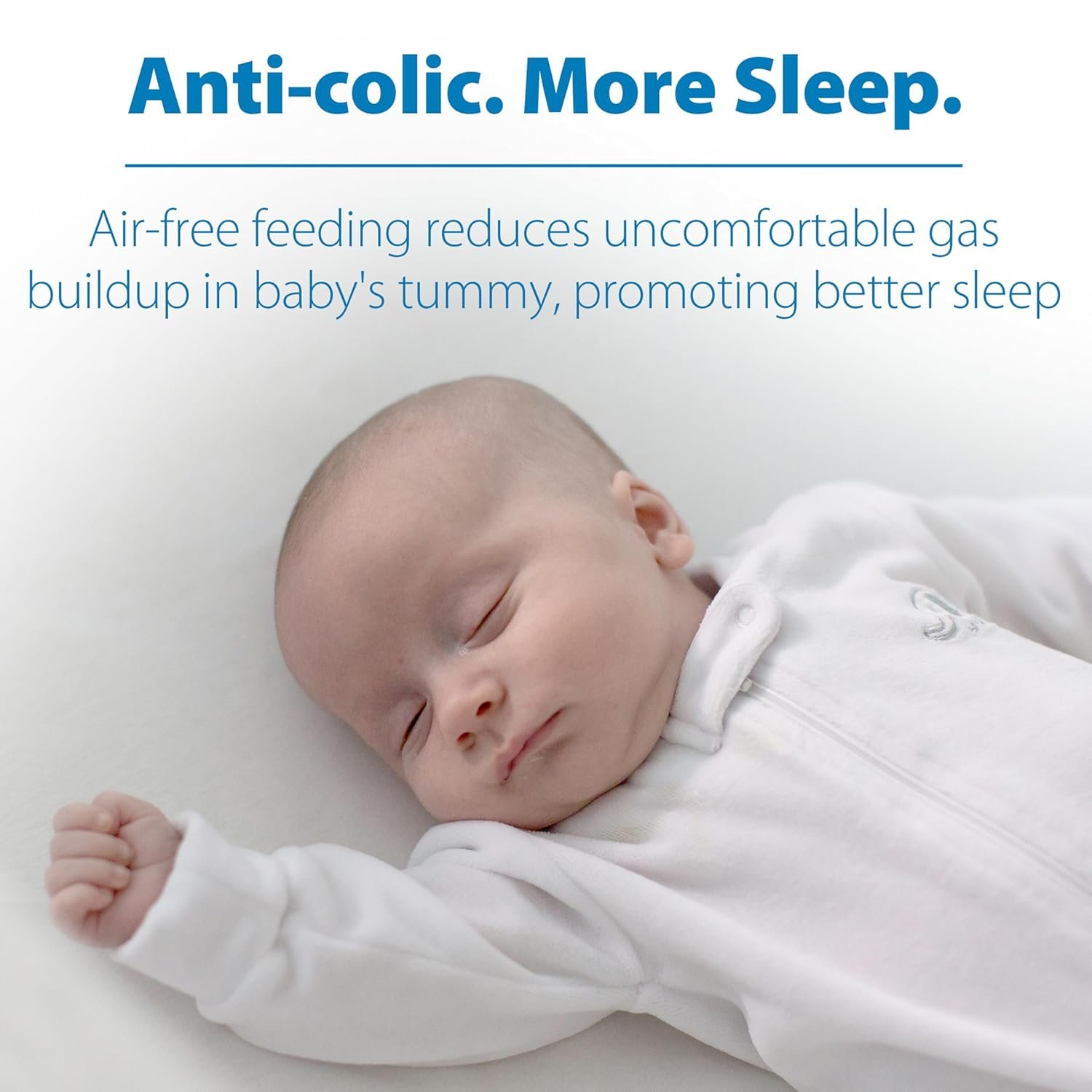
The glass construction truly stood out for safety, remaining odorless and crystal clear even after scores of dishwasher cycles. This sets it apart from many plastic competitors that eventually discolor or degrade. The anti-colic system puts these bottles slightly above typical infant bottle designs, ensuring colic reduction is more than a marketing promise.
That said, the glass build (while sturdy) is a bit heavier than plastic, so it’s not the best for on-the-go convenience. However, for home use and parents concerned about longevity and hygiene, the pros easily outweigh the cons. If you’re also interested in sustainable bottle options or want a deeper dive into anti-colic technologies, check out our comprehensive BPA-free bottle guide and anti-colic vs. regular bottles comparison.
Glass Bottles vs Competitors
Price-wise, Dr. Brown’s glass bottles land in the mid-to-premium range, slightly higher than Philips Avent Natural Glass and Tommee Tippee Closer to Nature. However, they justify the tag with a robust anti-colic venting system and recyclable design. Avent bottles also offer bpa free glass construction but lack a true internal vent, while Tommee Tippee’s anti-colic options cater more to plastic bottle users. Dr. Brown’s delivers superior colic reduction and nutrient preservation, and the warranty is on par—usually covering defects for at least one year, much like leading competitors.
Who Should Buy Dr. Brown’s Natural Flow Anti-Colic Options+ Wide-Neck Glass Baby Bottles 5 oz/150 mL, with Level 1 Slow Flow Nipple, 3 Pack, 0m+?
- New Parents: Ideal for anyone seeking a safe, eco-friendly, and consistent feeding solution for their newborn. The slow flow nipple supports gradual feeding transitions, minimizing issues during breastfeeding transition.
- Health-Conscious Families: If you insist on glass bottles that are bpa free, dishwasher safe, and recyclable, these will be your daily staple.
- Parents Facing Colic and Gas Issues: Especially recommended for infants prone to colic—Dr. Brown’s anti-colic vent system is proven to relieve common feeding-related discomforts.
If you exclusively bottle-feed on the go or want an ultra-lightweight bottle, this glass option may feel heavier than plastics. For more flexibility, see our guide to wide neck bottle choices.
Frequently Asked Questions
Q: Are Dr. Brown’s glass bottles truly dishwasher safe?
A: Yes, Dr. Brown’s glass bottles are specifically engineered to be dishwasher safe on the top rack. Many parents also utilize electric or microwave sterilizers with no impact on bottle clarity or safety. For official cleaning tips, visit the Dr. Brown’s FAQ page.
Q: Can these glass bottles reduce colic better than plastic alternatives?
A: Absolutely. Independent reviews and parent testimonials confirm the internal vent system’s efficacy at reducing colic—a feature often less effective or absent in many plastic bottles. The natural flow helps babies feed with fewer interruptions, leading to greater comfort and less gas.
Q: Does the slow flow nipple make breastfeeding transition easier?
A: Yes, the Level 1 slow flow nipple closely mimics breastfeeding, making it much easier for babies to move between breast and bottle without confusion. This design is a top reason why Dr. Brown’s is trusted by breastfeeding moms for infant bottle feeding.
Q: Is this a recyclable baby bottle?
A: Yes, it is. Dr. Brown’s glass bottles are fully recyclable (check local glass recycling rules for details), offering parents an eco-conscious infant bottle choice with no compromise on durability or performance.
Q: Are these bottles BPA free?
A: Yes, both the glass and every plastic component (vent, collar, cap) are BPA free and phthalate free, delivering total confidence for health-conscious families.
For more on materials and certification, see the Consumer Reports baby bottle guide.