

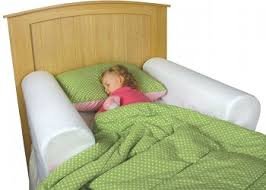
Transitioning your child from a crib to a toddler bed is a significant milestone that brings both excitement and concern. Among the top priorities for parents is ensuring safety during sleep. In this article, we explore the essentials of toddler bed and the risks and considerations associated with crib bumpers, highlighting Safe Sleep Solutions: Toddler Beds and Crib Bumper Safety to provide you with the knowledge needed for a safe transition.
Understanding Toddler Beds and Their Purpose in Safe Sleep Solutions: Toddler Beds and Crib Bumper Safety
A toddler bed is specifically designed to meet the unique needs of young children who are transitioning out of cribs but are not yet ready for a standard-sized bed. Featuring ground-level height, toddler beds are typically positioned just a few inches off the floor, which significantly reduces the risk of injury from falls and encourages newfound independence as children can easily climb in and out on their own. One of the hallmarks of toddler beds is the presence of low, built-in side rails. These rails act as a safeguard, helping prevent accidental rolling out of bed during sleep, thus providing a sense of coziness and security that children are used to from their cribs.
Children generally begin to outgrow their cribs between the ages of 18 months and 3 years. This phase often coincides with increased mobility and curiosity—traits that make crib climbing a common occurrence and signal the need for a new sleep environment. Toddler beds, designed for children in this age range, extend the comfort and reassurance of a sleep space built just for them. Unlike cribs, toddler beds accommodate standard crib mattresses, which keeps the transition familiar and cost-effective for families.
Practical and safety advantages abound with toddler beds. Many models are designed according to industry standards, ensuring slat distances and construction materials meet rigorous safety guidelines. Bed designs often feature rounded corners and sturdy frames to withstand active youngsters. Importantly, the lower height of a toddler bed not only minimizes fall risks but also fosters your child’s burgeoning autonomy by allowing independent access to their bed, aiding in nighttime routines and early-morning wake-ups. With their understated size and safety features, toddler beds bridge the gap between crib and full bed, giving parents peace of mind and children a comforting new space to sleep and grow.
The Transition from Crib to Toddler Bed
The transition from a crib to a toddler bed is a significant milestone for both children and parents, marking a new phase in a child’s journey toward independence. Recognizing when your toddler is ready for this change can help ensure both physical safety and emotional security. Key developmental cues signaling readiness include attempts to climb out of the crib, surpassing the crib’s height limits (typically when a child is about 35 inches tall), or asking to move to a “big kid” bed. These milestones indicate increased mobility and awareness, but they also introduce new risks if not managed with care.
When preparing for the switch, it is important to create a safe, familiar sleep environment. Place the toddler bed in the same location as the crib or keep favorite comfort items, such as stuffed animals or blankets, nearby. Remove heavy or large toys from the sleeping space and ensure the bed is away from windows, cords, curtains, or furniture that could be climbed. Install secure guardrails on both sides of the toddler bed to prevent accidental falls, and use a firm, well-fitting mattress with minimal bedding to lower the risk of suffocation or entrapment.
Maintaining consistency in bedtime routines is crucial to providing comfort and stability during this transition. Reading stories, gentle conversations, and soft lighting can ease nighttime anxieties for your child. For many parents, this shift also brings emotional challenges—letting go of the crib’s perceived protection can feel daunting. Be patient with your child and reassure them with affection and routine. Consistently returning your toddler to their bed if they get up reinforces boundaries in a gentle manner. By prioritizing safety, consistency, and emotional support, families can navigate this transition with confidence and care.
Crib Bumpers: Myths, Facts, and Safety Concerns
Crib bumpers, once a common nursery accessory, are padded fabric liners designed to attach to the inside of a crib’s rails, supposedly to prevent limbs from becoming caught or protect babies from bumps. Historically, many parents turned to crib bumpers for comfort, aesthetic appeal, or perceived safety. However, an evolving body of research and accident reports has sharply shifted expert recommendations away from these products.
In recent years, the dangers posed by crib bumpers have captured the attention of safety organizations and healthcare professionals. The primary risks include suffocation, strangulation, and accidental entrapment. Infants lack the strength and motor skills to move away from a bumper if their face presses against it, leading to the tragic possibility of airway obstruction. The Centers for Disease Control and Prevention (CDC) and the American Academy of Pediatrics (AAP) have associated crib bumpers with dozens of sleep-related infant deaths over the past decades. According to the US Consumer Product Safety Commission (CPSC), reports from 1990 to 2019 highlight that crib bumpers were implicated in at least 113 infant deaths, and hundreds more non-fatal incidents, including near-suffocation and entanglement injuries.
Modern safety standards and guidelines now strongly advise against the use of crib bumper pads in any sleep environment. The AAP and the CPSC explicitly warn parents that bumpers offer no clear benefit in preventing significant injuries, while posing substantial, proven hazards. Legislative action has followed, with several U.S. states—and, as of 2022, at the federal level via the Safe Sleep for Babies Act—banning the manufacture and sale of crib bumpers. It is now recommended to keep cribs free of bumper pads, regardless of material or design. Parents transitioning their toddler from a crib are encouraged to focus on evidence-based practices that eliminate unnecessary risks from the sleep space.
Best Practices for Safe Sleep Environments
A safe sleep environment is foundational to your child’s well-being, especially as you transition from crib to toddler bed. Start with a firm, properly fitting mattress; gaps between the mattress and the frame can pose entrapment hazards. Always use a well-fitted sheet that securely hugs the mattress—loose bedding increases the risk of suffocation or accidental cover. For toddlers, avoid the temptation to introduce pillows, heavy blankets, or stuffed animals; while these items may seem comforting, they present unnecessary risks and should be postponed until your child is old enough to manage them safely.
The toddler bed itself should be sturdy, with no broken parts, sharp edges, or exposed hardware. If the bed has guardrails, ensure they are installed tightly and fill the full length of the bed to prevent falls during sleep. Regularly check the rails for wear and secure attachment, particularly if your child is an active sleeper or likes to climb. Clutter-free is the key word: keep toys, cushions, and any decorative items off the sleep surface, and routinely check under and around the bed for stray objects.
When selecting bedding, opt for lightweight, breathable materials. Toddler-specific bedding is designed with safety in mind, reducing the risk of overheating and suffocation. Look for labels confirming compliance with safety standards such as those set by the US Consumer Product Safety Commission, ASTM International, or other regulatory bodies. Safety standards evolve as new findings emerge, so it’s important to review product recalls and recommendations periodically. Avoid aftermarket sleep products that lack clear certification or that aren’t specifically intended for your child’s sleep stage, as these can introduce unexpected hazards. By carefully creating and maintaining your child’s sleep environment, you lay a strong foundation for safe, restful nights.
Making Informed Choices for Your Child’s Safety
Weighing the pros and cons of toddler beds compared to other sleeping options involves looking closely at your child’s developmental stage, temperament, and your family’s routines. Toddler beds are designed with low frames and guardrails, providing a familiar transition while minimizing the risk of falls. They are typically suitable for children who have outgrown cribs but may not be ready for standard-sized beds. Alternatives like floor beds or directly transitioning to a twin bed with rails might offer more longevity, but could introduce risks if your child rolls frequently or isn’t yet able to navigate getting in and out safely.
Crib bumpers remain an appealing but ultimately hazardous accessory. Despite their intention to protect children from bumps, study after study links them to increased risks of suffocation, entrapment, and even Sudden Unexpected Infant Death (SUID). Health authorities and pediatric associations strongly discourage their use in both cribs and toddler beds because the risks far outweigh any perceived benefits. Instead, using properly fitted sheets and cleared sleep spaces is the safest route.
When making the transition, parents should regularly assess the sleep area for safety as children grow and change behavior. Use this checklist when setting up or transitioning to a toddler bed:
- Confirm the bed or sleep surface is age-appropriate and meets current safety standards
- Ensure guardrails are secure on toddler beds (if applicable)
- Remove any loose bedding, pillows, bumpers, or soft toys from the sleep space
- Position the bed away from windows, cords, or hazardous furniture
- Check for gaps between the mattress and bed frame
- Regularly inspect for broken or loose parts as your child grows
- Reassess your child’s readiness for independence and modify the setup if necessary
Staying alert to your child’s development and adjusting the sleep environment supports safer, healthier transitions through each stage.
Conclusions
Ensuring your child’s safety during the transition from crib to toddler bed is crucial. By understanding the risks of crib bumpers and following best practices for setting up a secure sleep environment, parents can create a safe space that supports their child’s growth and comfort. Stay informed and proactive to give your toddler the best start for restful, safe sleep.
Learn more about Everything related to a baby in our 🍼 Baby Products
For simple ideas to make your home comfortable for you and your child: [roomluminate].
[…] overlook related safety setups, such as reviewing safe sleep practices for toddlers and cribs as you choose tech […]
[…] For more background on safe sleep environments, visit our guide on toddler bed safety and crib tips. […]
[…] those starting out with safe sleep environments, check out our toddler bed safety and crib safety tips to complement your monitor […]
[…] for every baby. To further safeguard your child’s health and environment, check out guides on crib safety tips and nursery […]
[…] safe sleep tips, see our toddler bed safety roundup. And for toy clutter (yes, anti-colic bottles will join the collection soon enough), don’t miss […]
[…] For more guidance on related setup for your baby’s space, check out practical nursery storage solutions or review safety considerations with toddler bed safety. […]
[…] to layer sleep safety beyond white noise? This guide to safe toddler beds and sleep environments offers extra tips for the whole nursery […]
[…] focusing on overall family health, consider pairing your thermometer setup with safe sleep practices for toddlers and other essentials like a smart baby […]
[…] For more detailed safety approaches and advice as your baby grows, refer to our guide on safe sleep solutions for toddlers. […]
[…] more on overall baby safety strategies, see safe sleep for toddlers and AI-powered baby monitor […]
[…] for more guidance on safe baby care? Read about toddler bed safety and crib safety tips to create a secure sleep space for your […]
[…] It’s important to note: the American Academy of Pediatrics (AAP) and major children’s hospitals only recommend cool-mist units for nurseries. Warm-mist (steam) models are discouraged due to the risk of burns. Proper usage goes beyond setup—daily cleaning, distilled water, and careful placement all play a role in keeping your baby’s air clean and safe. To further ensure your nursery is as safe as possible, see additional tips in our post on safe sleep solutions. […]
[…] baby probiotics use with other baby health routines can make a difference. See our guides on safe sleep for toddlers or baby travel systems to create a balanced, healthy care […]
[…] For broader baby safety advice, see our practical tips on toddler bed safety and crib safety tips. […]
[…] Many parents find the transition to toddler beds and new sleep routines daunting. For safety guidance on toddler beds and cribs, see our safe sleep overview. […]
[…] about overall home safety? Check out our in-depth guide on safe sleep solutions for toddlers to cover every room in your […]
[…] solutions, understanding baby camera monitors is a foundational part of creating a secure nursery. Toddler bed safety tips and smart monitors work together to make your home […]
[…] mobility, a 360 car seat is worth close consideration. For more holistic nursery safety, check our toddler bed safety guide as […]
[…] a deeper dive on healthy toddler spaces, read about safe sleep practices and crib safety, or check out choosing baby strollers for safe outdoor […]
[…] part of building your support system. Safe sleep practices, such as those detailed in our guide on toddler bed safety, and understanding baby’s developmental milestones month by month complement what an app can […]
[…] eczema, allergies, or frequent rashes. For home safety tips beyond laundry, see our articles on safe sleep for toddlers and choosing a baby safety […]
[…] to ensure your baby’s entire environment is safe? Check out our toddler bed safety guide for expert crib and room […]
[…] check if the stroller reclines flat or supports a bassinet—safety guidelines like those in our toddler bed safety article apply here […]
[…] car seats, baby monitor tech, or sleep gear (read more on toddler safety), many top-selling feeding chairs don’t publicly display detailed certification or compliance. […]
[…] See related solutions for safe sleep and nursery safety in Safe Sleep Solutions: Toddler Beds and Crib Bumper Safety. […]
[…] It’s easy to see why devices powered by sound and cry detection are at the heart of safe sleep solutions for families. For more in-depth safe sleep guidance, visit our guide on toddler bed safety and crib safety tips. […]
[…] busy parents juggling safety checklists, toy storage, and optimizing safe sleep for toddlers, making vitamin D drops a consistent part of the bedtime routine or first morning feed is one of […]
[…] for a safer sleep setup too? Explore our guide to toddler bed safety and create a secure sleep […]
[…] When done right, swaddling can improve sleep, reduce frantic movements, and calm colicky newborns. When done wrong (tight legs, overheating, unsupervised rolling), it increases risk for hip dysplasia, suffocation, and SIDS. Understanding the “what and why” ensures you swaddle for the right reasons, with the right products, at the right time. For more background on baby sleep and safety, see our toddler bed safety guide. […]
[…] and patience are keys to keeping progress steady. Explore other transition periods like sleep safety for toddlers to align routines […]
[…] For smart tech, look for products that clearly list their data protection policies and have received trustworthy reviews. For sleep-related gear, consult resources on toddler bed safety. […]
[…] ideas for creating a safe and nurturing baby environment while choosing names? Explore tips on toddler bed safety and the best stroller travel […]
[…] proper attire is critical—pair sleep sacks or wearable blankets with guidance from our crib safety guide. And don’t underestimate the value of functional wardrobe staples: basic onesies, soft pants, and […]
[…] parents balancing style and safety, it helps to browse guides on organic baby skincare and safe sleep for toddlers, since both include direct product safety […]
[…] Some parents also report confusion about what happens if a bank goes out of business. Make sure to check if the bank has backup storage contracts and clear succession plans. For peace of mind on all things baby health and safety, explore our expert guide to safe sleep solutions. […]
[…] or home for a growing child, don’t miss our nursery storage solutions guide and tips for toddler bed safety to set your space up for safe, convenient […]
[…] parents also worry about home safety once mobility increases. Preparing early with strategies like safe sleep practices, proper sleep spaces, and baby-proofing can ease the transition. See our guide to toy storage […]
[…] entertainment can look instead at evidence-based resources about child development milestones or safe sleep solutions to inform their choices, rather than just following the […]
[…] Prioritize Sleep Safety First: Arrange your nursery so your baby girl sleeps safely. Use a certified crib and avoid items like bumper pads. Many parents benefit from reviewing expert sleep safety advice. […]
[…] choking hazards, particularly for mobile crawlers and toddlers. For extra peace of mind, explore toddler crib safety tips to complement safe play and rest […]
[…] interested in creating the safest sleeping environment for your little one, take a look at our toddler bed safety and crib safety tips which reinforce why alternatives to loose bedding are so […]
[…] eligibility for CHIP, SNAP, or Medicaid. For broader advice on child safety, see our guides on toddler bed safety and crib safety tips and baby care tips and developmental […]
[…] Legal requirements are the backbone, but advocacy and practical navigation are essential. Parents and local agencies must stay current or risks of losing childcare support can quickly snowball—impacting not just daily lives, but jobs and child development. For resources on creating a safe and supportive environment at home, see our guide on toddler bed safety and crib safety tips. […]
[…] holistically, reinforce at-home safety and developmental guidance. Explore resources like safe sleep for toddlers and baby milestone tracking for further […]
[…] environment to stay safe sleep for toddlers while waiting for preschool, review our guide about safe sleep for toddlers to keep them protected […]
[…] politics on science. For a holistic approach to safe parenting beyond vaccines, see our advice on toddler bed safety and other essential child development […]