

Separation anxiety baby is a phrase nearly every parent comes across during their child’s first years. It describes a natural, often stressful phase when babies become distressed as soon as a parent or caregiver goes out of sight. If you’re struggling with long, clingy goodbyes or sudden outbursts, you are not alone — and you’re in the right place for realistic clarity and actionable strategies.
Key Takeaways
- Separation anxiety in babies is a normal developmental milestone, most common from 6 months to 3 years.
- There are no specific, proven interventions to halt separation anxiety, but understanding and consistency can ease the process.
- Serious issues are rare but monitoring your baby’s distress and routines is important for their development and your peace of mind.
- Understanding Separation Anxiety in Babies
- How to Navigate Separation Anxiety: A Step-by-Step Guide
- Advanced Analysis & Common Pitfalls
- Conclusion
- FAQ: Separation Anxiety in Babies
Understanding Separation Anxiety in Babies
Separation anxiety in babies occurs when your child becomes upset or distressed because they are away from their parent or main caregiver. This emotional response is typical and usually starts between 6-12 months of age. It can last in varying degrees until a child is about 3 years old, gradually becoming less intense as your child learns that when you leave, you always come back.
Why does this happen? Around 6 months, babies begin to develop a sense of “object permanence” — understanding that people and things exist even when out of sight. But their trust in that idea is shaky, so every separation can seem like a big loss.

This phase is tough, especially if your child’s anxiety disrupts naps, bedtime routines, or their time with other caregivers. As tiring as it might be, remember that it’s a normal developmental milestone — not a sign that anything is wrong.
To learn more about related baby milestones, check our comprehensive article on Understanding Baby Developmental Milestones Month by Month.
How to Navigate Separation Anxiety: A Step-by-Step Guide
There is no magic off-switch for separation anxiety baby experiences. However, with patience and the right approach, you can help your baby (and yourself) cope more smoothly. Here’s a step-by-step plan grounded in pediatric guidance and parental experience.
-
Prepare Your Baby for Changes
Start with brief separations at home while your baby is occupied. Gradually increase how long you leave and always come back with a smile. Over time, your child will begin to trust that separations are temporary. -
Be Consistent with Routines
Babies do best when their days have a predictable rhythm. Stick to similar naptimes, mealtimes, and bedtimes to provide stability — which reassures both parent and child.
If sleep is becoming disrupted, our guide to baby sleep regression can help you troubleshoot sleep setbacks. -
Stay Calm Under Pressure
Your baby looks to you for cues. If you stay calm during goodbyes (even if you’re feeling anxious inside), your baby is more likely to feel safe. Projecting calmness — even faking it — can make a difference. -
Encourage Time with Familiar Adults
If your child is about to start daycare or spend extra time with a relative, do trial runs with you in the room. Let your baby get used to the new faces and voices while you are nearby before gradually increasing the distance.
If choosing a caregiver or nursery, see our guide on finding quality daycare for helpful checklists and questions to ask. -
Offer Comfort Items
A well-loved blanket, a favorite stuffed animal, or even an unwashed parent t-shirt can help bridge the gap when you’re apart. This can smooth transitions when you leave for even short periods. -
Monitor for Unusual Patterns
While some fussiness is normal, take note if your baby’s separation anxiety disrupts eating, sleeping, or daily routines long-term. If you notice persistent changes, consult your pediatrician.
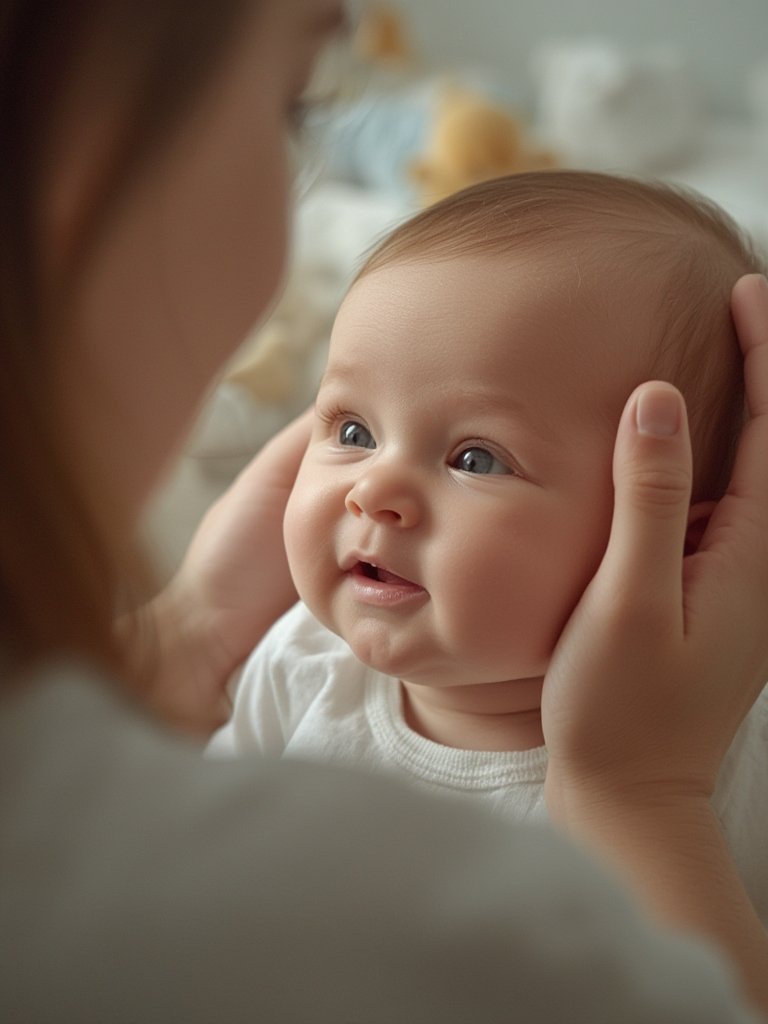
Every baby is unique. If these approaches aren’t working, get advice tailored to your situation. Sometimes, pairing your efforts with other baby care routines (for example, a structured sleep schedule) will make the process smoother for everyone involved.
Advanced Analysis & Common Pitfalls
Let’s look closer at the realities and challenges that parents face during the separation anxiety baby stage — and why many online guides offer oversimplified solutions.
Common Pitfalls Parents Face
- Expecting Quick Fixes: Many articles promise instant solutions, but there is no shortcut or “cure.” Anxiety often fades only as the baby matures and trusts caregivers will return.
- Extending Goodbyes: Drawing departures out usually backfires and leaves both baby and parent more upset.
- Switching Routines Too Often: Inconsistent nap times, bedtimes, or caregivers can worsen anxiety and undermine progress.
- Overlooking Health Concerns: If anxiety is severe, persistent, or affecting health and sleep for weeks, consult a pediatrician. Most cases resolve on their own, but occasionally medical advice is needed.
- Ignoring Parent Wellbeing: Prolonged crying and clinging can be emotionally exhausting. Make time for self-care. Reach out for support, whether from family, a trusted friend, or community groups.
Comparing Standard and Advanced Approaches
| Standard Approach | Advanced Strategy | Possible Downsides |
|---|---|---|
| Brief separation practice at home | Layering in comfort items and a goodbye ritual | Over-dependence on objects if used exclusively |
| Consistent routines | Pair with visual countdowns to help baby predict transitions | Too rigid a routine can cause stress during unavoidable schedule changes |
| Parental reassurance | Encourage safe exploration with trusted adults present before actual separation | Overprotection may slow independence |
Studies show that normative separation anxiety in babies almost always fades on its own, typically by the time your child is 3 years old. There are no documented psychological risks unless the anxiety is so severe it disrupts key areas of development or persists well past age 3. Pediatricians confirm this is a temporary milestone, not a disorder in babies under 2.
Citations: NCBI – Normal Separation Anxiety, Children’s Hospital of Philadelphia – What’s Normal and When to Worry, Harvard – Prevalence Data on SAD.
If you’re worried your child’s anxiety is causing major setbacks or interfering with safe sleep, visit our piece on safe sleep solutions. For insight into how babies process sleep disruption and separation, see the baby sleep consultant guide.

Conclusion
Separation anxiety baby moments are a sign of growing attachment — but they can feel overwhelming for both babies and parents. In most cases, time, consistency, and reassurance are the best tools you have. If you have concerns that fall outside the typical timeline, don’t hesitate to talk to your pediatrician. Most importantly, remember: This too shall pass.
Looking for a complete roadmap for your child’s growth? Explore our milestones month-by-month guide. If you found this helpful, share it with someone who needs realistic parenting support, or leave your questions below to connect with the community!
FAQ: Separation Anxiety in Babies
When does separation anxiety usually start in babies?
Most babies show signs of separation anxiety around 6 to 12 months old, with symptoms often peaking through toddlerhood before gradually decreasing by age 3.
How long does separation anxiety last in babies?
It varies, but the most noticeable phase typically lasts from about 9 to 18 months, and fades as your baby grows more confident. In most cases, it resolves naturally with time and development.
Can separation anxiety affect my baby’s sleep?
Yes, it often leads to sleep disturbances like trouble napping alone or resisting bedtime. Consistent routines and sleep-friendly nursery setups can help. See our guide on baby sleep regression for specific solutions.
Should I worry if my baby’s separation anxiety seems worse than others?
Some variation is normal, but if distress is extreme, persistent, or leads to long-term eating or sleep problems, consult a pediatrician to rule out underlying issues.
What if my baby won’t calm down after I return?
It’s common for babies to need extra comfort even after you’re back. Offer reassurance, physical closeness, and maintain routines to rebuild their sense of security.