

### Blog Post:
Signs of dehydration in baby can appear quickly and may not always be obvious to parents. Dehydration in infants is a serious medical concern, but with the right information, you can spot the signs early and take immediate action. In this guide, you’ll learn what to watch for, how to respond, and when medical attention becomes critical.
Key Takeaways
- Early identification of dehydration can prevent complications and hospitalization.
- Look for specific warning signs like reduced urine, dry mouth, sunken eyes, and lethargy.
- Offer fluids as recommended, but seek medical help if symptoms are moderate or severe.
- What Dehydration in Babies Really Means & Why It Happens
- Step-by-Step Guide: How to Recognize and Respond to Dehydration in Babies
- Advanced Analysis & Common Pitfalls: Realistic Challenges for Parents
- Conclusion
- FAQs
What Dehydration in Babies Really Means & Why It Happens
Dehydration is the loss of important body fluids, mostly water and electrolytes, that babies need for proper organ function, development, and energy. Babies, especially those under 12 months, lose fluids more quickly than adults or older children because of their higher metabolic rates and small body size. Typical causes include diarrhea, vomiting, fever, heat, or insufficient feeding. Hospitalization rates reveal that preterm infants and those in resource-limited areas face the highest risk, but all babies can be affected. Recent studies show a high burden of dehydration among hospitalized newborns globally, particularly for preterm infants.

Recognizing the signs early is essential because the consequences of dehydration can include dangerous electrolyte imbalances, shock, and in rare cases, death. In countries like the United States, dehydration (often caused by diarrheal illness) accounts for over 200,000 hospitalizations annually in young children. However, not all cases are obvious at first, making vigilance the key to prevention and prompt care.
For more on other key baby care issues, see our guide on understanding baby developmental milestones.
Step-by-Step Guide: How to Recognize and Respond to Dehydration in Babies
If you suspect your baby is dehydrated, following these proven steps will help you act quickly and safely.
1. Monitor Urine Output
A baby should have at least 4-6 wet diapers per day. Less frequent urination, or very dark and strong-smelling urine, is usually the first sign something is wrong. During illness, check diapers every 2 hours.
2. Look for Physical Signs
- Dry mouth, lips, and tongue
- No tears when crying
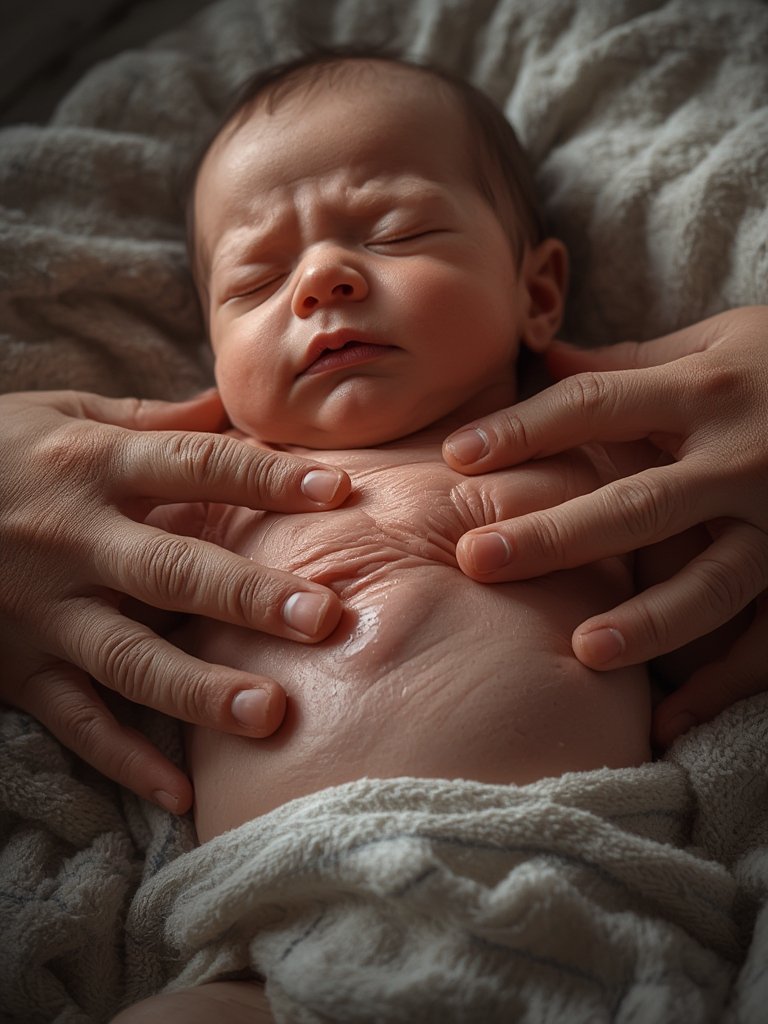
- Sunken eyes or fontanelle (the soft spot on top of the head)
- Cool, mottled, or pale skin
3. Observe for Behavior Changes
Lethargy, irritability, or poor feeding can be red flags. A listless baby who does not wake for feeds or interact as usual may be progressing towards moderate or severe dehydration.
4. Start Oral Rehydration for Mild Dehydration
Give small, frequent sips of fluids—ideally breast milk or formula. For mild-to-moderate dehydration, current guidelines recommend offering 5-10 ml (1–2 teaspoons) of oral rehydration solution (ORS) every 1-2 minutes as tolerated (aiming for 50-100 mL/kg over 3–4 hours). This prevents overwhelming the stomach.
5. Know When to Seek Immediate Medical Help
Head to the emergency department or call your pediatrician if your baby:
- Shows signs of severe dehydration (sunken fontanelle, not urinating for 8+ hours, limp or unresponsive)
- Has persistent vomiting (unable to keep fluids down)
- Is under 2 months old with any concerning symptoms
- Shows rapid breathing or difficulty breathing
Dehydration can escalate fast, especially in infants.
6. Continue Feeding, Don’t Delay
Continue to breastfeed or give formula as much as your baby will accept. Even if eating less, every drop of milk helps replace fluids and essential electrolytes. If you’re unsure about safe breast or formula feeding during illness, review our breastfeeding tips for beginners and formula feeding schedule articles.
7. Monitor for Progress or Deterioration
Check urine output, alertness, and hydration status every 2 hours. If symptoms aren’t improving, err on the side of caution and seek medical care.
Advanced Analysis & Common Pitfalls: Realistic Challenges for Parents
Most parents are not trained to spot subtle signs of dehydration. It’s easy to miss early clues like decreased wet diapers or think a fussy baby is just teething or tired. Swift changes in a baby’s hydration status, especially with diarrhea or vomiting, can confuse even seasoned caregivers.
| Warning Sign | Mild | Moderate | Severe |
|---|---|---|---|
| Body Weight Loss | < 5% | 5-10% | >10% |
| Urine Output | Slightly reduced | Noticeably reduced | Minimal or none for 8+ hrs |
| Activity Level | Normal, maybe irritable | Listless, irritable | Very sleepy or limp |
| Eyes/Fontanelle | Normal | Mildly sunken | Deeply sunken |
WHO pediatric guidelines define moderate dehydration as 5-10% body weight lost, and severe as greater than 10% loss (read more here).
- Problem: Relying only on tears as a clue. Some babies rarely cry with tears, even when fully hydrated.
- Problem: Assuming chapped lips mean dehydration—these can occur for many reasons.
- Problem: Delaying care in hope symptoms improve. Dehydration can worsen quickly, outpacing home efforts.
- Problem: Misinterpreting sleepiness for regular tiredness. Lethargy in a sick baby should always prompt immediate reassessment.
Parents may also be confused about which fluids to give—water alone is not safe for infants under six months. Breast milk, formula, or pediatric oral rehydration solutions are safest. For related health monitoring, check our baby thermometer digital guide.

Conclusion
Babies can become dehydrated much more quickly than older children or adults, and the signs of dehydration in baby are sometimes subtle. Monitoring urine output, alertness, and physical changes are your best tools as a parent or caregiver. Take quick action with small sips of fluids and never hesitate to seek medical care for warning signs. Always trust your gut—when in doubt, ask your pediatrician for guidance.
For more on infant and toddler care, see our safe sleep guide: safe sleep solutions.
FAQs
What is the most important early sign of dehydration in a baby?
Reduced wet diapers (fewer than 4-6 per day) is often the earliest and most reliable warning that a baby is not getting enough fluids and is at risk for dehydration.
Can I give my baby water to help with dehydration?
For babies under 6 months, water should not be given unless specifically directed by your pediatrician. Breast milk or formula is best, and oral rehydration solutions can be used for older infants under medical guidance. For more, see our article on when can babies drink water.
When is dehydration so severe that my baby needs emergency care?
If your baby is very lethargic, has not urinated in 8 hours, is breathing rapidly, has a sunken soft spot, or won’t take any fluids, seek emergency care immediately. These are critical warning signs.
How can I prevent dehydration during diarrhea or vomiting episodes?
Offer frequent, small amounts of breast milk or formula, and use oral rehydration solutions as recommended. Act on symptoms early and call your doctor for guidance if unsure. You may also find our constipation relief guide helpful for related issues.
Are there any home remedies for mild dehydration in babies?
For mild cases, continue regular feeding and offer small, frequent sips of breast milk, formula, or an age-appropriate oral rehydration solution. Do not give plain water or home-made mixtures to infants without medical direction. Always watch for worsening symptoms.