

Smart Baby Monitor: 7 Best Ways to Ensure Safer Sleep (Proven Guide) explains why smart baby monitor adoption is skyrocketing as parents look for reliable ways to keep an eye on their infants. But how does today’s technology actually work, which features matter most, and are there real drawbacks? In this straightforward guide, we break down the essentials, address common concerns, and show you how to choose and use a smart baby monitor for true peace of mind.
Key Takeaways
- The smart baby monitor market is expanding rapidly, led by video and AI-powered features. North America is the top region.
- AI-enabled monitors stand out by offering sleep tracking, cry detection, and advanced analytics not possible with basic WiFi monitors.
- Security, privacy, and false alerts remain concerns. Parents should weigh benefits against recurring costs and technical challenges.
- Understanding Smart Baby Monitors: What and Why
- How to Choose and Set Up a Smart Baby Monitor: Step-by-Step
- Smart Baby Monitor Limitations and Common Pitfalls
- Conclusion
- Frequently Asked Questions
Understanding Smart Baby Monitors: What and Why
A smart baby monitor goes beyond the standard video or audio feed. Using internet connectivity (usually WiFi), these devices stream live video and audio of your child, and many now integrate with smartphones for real-time alerts and remote monitoring. The next leap is AI-driven features, such as automated cry detection, sleep tracking, and data analytics, which help parents spot potential issues early or simply sleep easier.
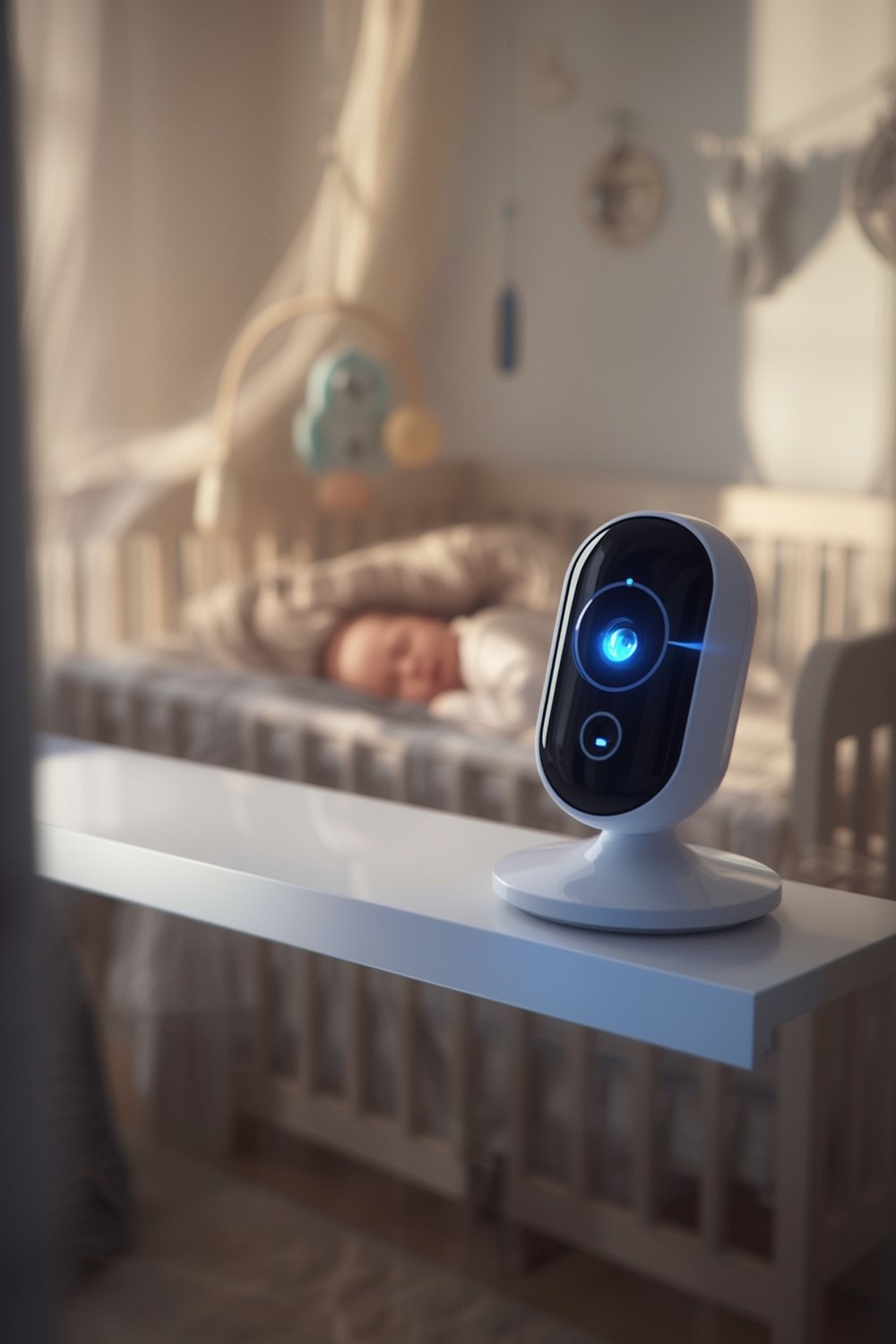
Smart baby monitor sales are projected between $1.39 billion and $1.86 billion globally in 2024, with strong estimates for continued growth through 2034 (source, source, source). This growth is fueled by working parents, urbanization, and an increasing preference for smart home and IoT devices. Video-based models now dominate, commanding over half the market share.
Conventional monitors relay basic video and sound. AI models use multiple sensors, cloud connectivity, and machine learning to provide insights like movement detection, ambient conditions, and contactless sleep tracking. For parents, this means a blend of convenience and deeper insight into their baby’s well-being.
For those starting out with safe sleep environments, check out our toddler bed safety and crib safety tips to complement your monitor usage.
How to Choose and Set Up a Smart Baby Monitor: Step-by-Step
Selecting the right smart baby monitor involves more than picking the latest model. Follow these steps to make an informed, actionable choice:
- Define Your Needs: Decide if you value AI-powered features like sleep tracking and cry detection, or if a standard audio/video monitor suffices. Consider your budget, type of home network, and any app ecosystems you use.
- Compare Features: Look for HD video (preferably 1080p), remote access, encrypted transmission, two-way audio, and reliable AI alerts. Cloud storage, sleep analytics, and smart notification settings also add value.
- Check Security: Opt for devices with robust encryption and frequent firmware updates. Read recent reviews about hacking incidents. Research if the brand is transparent about security patches.
- Evaluate Recurring Costs: AI-rich models may require monthly subscriptions for advanced analytics or cloud storage. Estimate these fees upfront to avoid unexpected expenses down the line.
- Purchase and Unbox: Choose a monitor from a reputable retailer or direct from the manufacturer. Check what’s included—camera, sensors, cables, instructions.
- Network Setup: Position the camera to cover the crib but avoid pointing directly at lights or windows. Connect to your secure WiFi network using the brand’s app. Update firmware before use.
- Enable Alerts and Monitor Settings: Adjust sensitivity for motion and sound alerts to match your preferences. Set up notifications on your smartphone and test them during naps.
- Fine-Tune Privacy Settings: Enable two-factor authentication if available. Regularly update your app and remove unused device access.
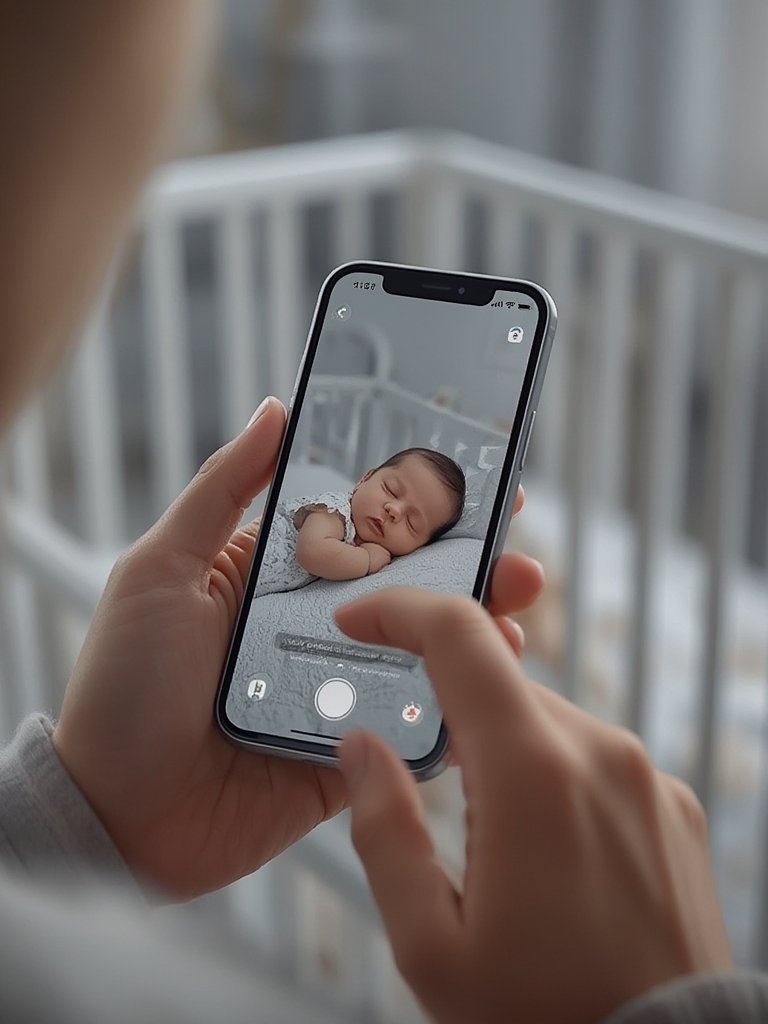
Some parents find that pairing a smart monitor with a developmental milestones guide helps track both sleep and growth without over-reliance on tech. Always ensure cables and monitors are mounted safely and out of baby’s reach.
For a more holistic approach to nursery safety, see our nursery storage solutions to reduce clutter and hazards.
Smart Baby Monitor Limitations and Common Pitfalls
Smart baby monitors can be game-changers, but they are not without drawbacks or risk factors. Here’s what the research and parent experience reveal:
- Connectivity Issues: WiFi-based monitors may drop connections, lag, or lose video feeds, especially with weak networks or power interruptions.
- Privacy Concerns: There have been reports (with some brands) of hacking or unauthorized feed access. Although many newer monitors offer encryption, not all have strong safeguards nor public records of incident response.
- False Alerts: AI-powered cry and motion detection can trigger false positives—think loud siblings, pets, or moving shadows. This can undermine trust in the system or disrupt your sleep more than comfort it.
- Ongoing Costs: Advanced analytics, cloud storage, or video recording may require monthly fees. Sadly, few brands disclose lifetime cost estimates up front.
- Accuracy Gaps: There’s little public data comparing AI sleep/cry detection accuracy directly to hospital-grade monitors. Contactless tracking claims convenience but lacks robust clinical validation.
- Lack of Empirical Evidence: Marketing often suggests AI can “predict” or “warn” of medical events, but peer-reviewed validation is lacking. Use such monitors as supportive tools, not as substitutes for medical judgment.
- Security Transparency: While encrypted feeds are promoted, most brands do not publish details about past vulnerabilities, patches, or incident response. Users remain in the dark about prior risks.
| Feature | AI-Powered Smart Monitor | Traditional WiFi Monitor |
|---|---|---|
| Real-time AI Alerts | Yes | No |
| Sleep/Cry Detection | Advanced | Basic/None |
| Subscription Fees | Common | Uncommon |
| Accuracy Validated | Unproven | Unproven |
| Security Transparency | Limited | Limited |
AI baby monitors can complement your child safety strategy, but they are not a silver bullet. For comprehensive child development advice, see our baby care tips and parenting guides.
Conclusion
The smart baby monitor landscape is constantly evolving, with AI-based features offering a new level of convenience and data—but also carrying unique risks, unclear cost structures, and unproven clinical accuracy. As you consider your options, use a holistic approach for infant care by blending technology with safe habits and informed parenting. Start with a solid evaluation, set realistic expectations, and always have a back-up plan.
Ready to make the next step? Invest in a reliable smart baby monitor, and check our curated guides, including choosing the best stroller travel system for your lifestyle, to build a safer, smarter family home. The right smart baby monitor can enhance peace of mind, but only when used with diligence and balance.
Frequently Asked Questions
What’s the difference between an AI smart baby monitor and a traditional WiFi baby monitor?
AI smart baby monitors use artificial intelligence to detect specific sounds or movements—like crying or rolling over—and provide detailed sleep analytics. Traditional WiFi monitors stream live audio and video but offer fewer automated insights.
Are smart baby monitors safe from hackers?
Many newer smart baby monitors use encrypted video feeds and secure app connections, but some models have been vulnerable in the past. Always update firmware, use strong passwords, and enable two-factor authentication if offered.
Do smart baby monitors replace the need to check on my child in person?
No, smart baby monitors are support tools. Direct supervision and safe sleep practices—like those found in our crib safety tips guide—remain essential for infant safety.
What recurring costs should I expect?
Some brands charge subscription fees for features such as cloud recording, sleep analytics, or advanced notifications. Costs range from $5 to $20 per month, but always check pricing before buying.
How accurate are AI-driven sleep and cry detection features?
Clinical validation data is limited, so accuracy can vary. AI models may misinterpret other noises or miss subtle sleep events. Use them as supportive tools, not substitutes for monitoring or medical advice.