

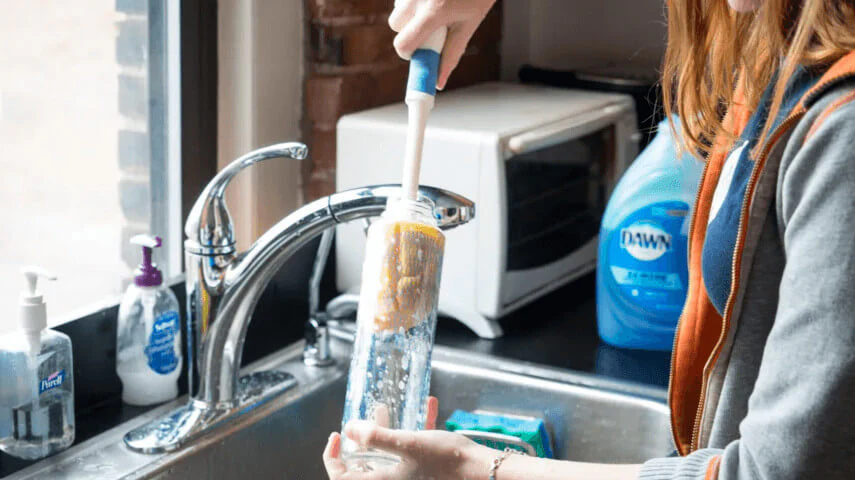
Keeping bottles clean is essential for health, taste, and longevity. Whether you’re caring for baby bottles, glassware, or reusable water bottles, the right cleaning tools and technology can make all the difference. The Ultimate Guide to Cleaning Bottles: From Traditional Brushes to Self-Cleaning Water Bottles delves deep into bottle brushes, the intricacies of bottle cleaning, and the evolution of self-cleaning water bottles to ensure your drinks remain safe and refreshing.
Understanding Bottle Brushes and Their Importance – The Ultimate Guide to Cleaning Bottles: From Traditional Brushes to Self-Cleaning Water Bottles
A bottle brush is a specialized cleaning tool essential for maintaining the cleanliness of bottles and other narrow-necked containers. Typically, it features a series of stiff or flexible bristles arranged along a central wire or plastic core, finished with a handle for easy maneuvering. The bristles can be made of natural fibers, such as boar hair, or more commonly, synthetic materials like nylon or polyester, which resist mold and bacteria. The wire core is often twisted to allow the brush to flex into the tight curves and elongated shapes of bottles, ensuring every corner is reached.
Variations in size and material abound, allowing bottle brushes to be used in an array of applications. Longer, slender brushes target tall water bottles and thermoses, while shorter, wider designs suit baby bottles and jars. Heavy-duty brushes on robust wire handles are ideal for commercial or laboratory glassware, where residue from chemicals must be removed completely to prevent contamination. Some versions sport soft foam tips for delicate glassware, and others have replaceable or washable brush heads for long-term hygiene.
Using a well-suited bottle brush is crucial for several reasons. Standard dish sponges and cloths often can’t penetrate the narrow necks and deep recesses of bottles, leaving residues, odors, and harmful bacteria behind. Complete removal of residue is not just a matter of taste—old milk in baby bottles or lingering sports drink sugars in reusable bottles quickly lead to sour flavors and potential illness. Moreover, proper cleaning helps to prevent the buildup of biofilm, a thin layer of bacteria that is difficult to eradicate once established.
Laboratory and baby bottle brushes, for instance, tend to be constructed with materials that don’t shed and can handle sterilization—critical for health and safety. In contrast, household and reusable bottle brushes prioritize reach and gentle cleaning to preserve the container’s surface. Consistent use of these purpose-built brushes is a simple yet foundational step towards safe, hygienic, and enjoyable hydration.
Choosing the Right Bottle Cleaning Brush for Every Bottle
When selecting a bottle cleaning brush, the key is to match the brush design with your specific bottle type. Water bottles often benefit from brushes with long handles for deep reach and flexible, moderately firm bristles to scrub away residue without damaging the interior. For baby bottles—where gentle yet effective cleaning is vital—opt for brushes with softer bristles and BPA-free, food-grade materials to prevent scratches and ensure your baby’s safety. Glassware, particularly those with narrow necks like carafes or decanters, demand brushes with ultra-soft bristles or even silicone tips to avoid etching the glass. Sports bottles, which may contain textured or contoured interiors, often require brushes with an angled or contoured head for reaching crevices. Laboratory containers require not only chemical-resistant materials but also precise sizing to fit standard glassware dimensions without risking cross-contamination.
The diameter of the brush head determines how well it scrubs the inner walls—a brush too narrow won’t clean effectively, while one too wide may not fit or could jam. Handle length should always accommodate the deepest bottle in your collection, offering enough leverage without forcing your hand inside. Bristle stiffness should be chosen based on the delicacy of the bottle: soft for baby bottles and glass, stiffer for plastic sports bottles. Check that the brush materials are compatible—nylon bristles suit most plastics and stainless steel, but opt for silicone or natural bristles for sensitive surfaces.
To avoid causing scratches, never use metal scrubbing heads on delicate glass or plastic. Focus on brushes with padded or tipped ends for thorough bottom cleaning. To ensure effective cleaning of hard-to-reach spots, look for brushes with flexible necks or removable, smaller brush tips for detailed areas like bottle necks or spouts. Maintain brushes by rinsing thoroughly, air drying after each use, and replacing them when bristles deform or discolor to preserve cleaning power and hygiene.
Best Practices for Cleaning Bottles Effectively
A thorough bottle cleaning routine starts with daily rinsing. As soon as a bottle is emptied, it’s best to rinse it with hot water to prevent residue from drying or bacterial colonization. For deep cleaning, fill the bottle with warm (not boiling) water and add a mild, fragrance-free dish detergent. Submerge your bottle cleaning brush fully, ensuring the bristles reach the bottom and all inner surfaces. Spiral the brush, paying special attention to crevices at the base and around threads or narrow necks often missed by quick scrubs. If dealing with bottles that have straws, nozzles, or removable lids, use a small detail brush or straw brush to dislodge hidden residue.
Water temperature plays a crucial role: use water as hot as the container can safely withstand to dissolve grease and kill germs, but avoid extreme heat with plastic bottles to prevent warping. Scrub the bottle’s exterior as bacteria can transfer from hands and surfaces. Once washed, rinse thoroughly to eliminate soap residue, which may cause off-tastes or film buildup.
If you notice persistent odors, discoloration, or evidence of mold, try a deeper cleaning strategy. Fill the bottle with a solution of one part distilled white vinegar to three parts water, or use specialized bottle-cleaning tablets. Let it soak for several hours or overnight. Then scrub again with your dedicated brush, rinse with hot water, and air dry.
Proper drying is essential: always store bottles upside down on a clean rack to prevent moisture accumulation and mold growth. Avoid sealing bottles while damp. For additional hygiene, occasionally sanitize bottles and brushes with boiling water, if the materials are compatible.
Regular, mindful maintenance helps prevent bacteria, mold, and unpleasant smells from developing, ensuring every sip from your bottle is as fresh and safe as possible.
Innovations in Bottle Hygiene: Self-Cleaning Water Bottles
Innovations in bottle hygiene have taken a giant leap forward with the introduction of self-cleaning water bottles, which are rapidly becoming a game-changer for those seeking heightened convenience and peace of mind during their hydration routines. Unlike manual cleaning, which relies on physical scrubbing and detergents, self-cleaning bottles incorporate advanced technologies—most notably UV-C light—integrated right into the cap or lid. UV-C light, a short-wavelength ultraviolet radiation, works by disrupting the DNA of bacteria and viruses, neutralizing up to 99.9% of common pathogens with the press of a button. Some variations also include electrolysis or plasma-based sterilization mechanisms for enhanced sanitation.
The most significant advantage of these bottles lies in the reduced effort they demand. For frequent travelers, commuters, and anyone on a tight schedule, the ability to sanitize a bottle in as little as 60 seconds without traditional brushes or chemicals is transformative. This automation not only addresses the inconvenience of cleaning hard-to-reach bottle interiors but also proves invaluable for bottles with narrow necks or intricate components, often neglected in regular cleaning routines.
Beyond mere convenience, self-cleaning bottles actively maintain the hygienic integrity of drinking containers between manual washings, minimizing residual odors and helping to suppress invisible microbial buildup over time. However, it’s important to recognize the limits of this technology. These bottles do not physically remove sediment, residue, or biofilm—so a periodic deep clean using brushes and detergents remains necessary for comprehensive maintenance.
Compared to traditional brushing, self-cleaning bottles represent a hybrid solution: they reduce the frequency and intensity of manual cleaning but cannot wholly replace it. Their appeal extends further as they minimize reliance on single-use cleaning agents and water, aligning closely with modern priorities in sustainability and personal convenience—topics further explored in the next section on sustainable choices.
Sustainable Choices: Longevity and Environmental Impact
Sustainable choices in bottle care extend far beyond the initial decision to use a reusable bottle over a single-use alternative. The environmental impact is determined by how long a bottle is kept in service—and cleaning plays a pivotal role in prolonging that lifespan. Consistent and thorough cleaning, whether through manual means like a bottle brush or innovative technologies such as self-cleaning water bottles, helps prevent the buildup of odors, stains, and bacteria that often prompt premature replacement.
When comparing the routines involved, single-use bottles are typically discarded after mere hours, generating immense plastic waste and consuming resources for ongoing production. Reusable bottles, when properly maintained, may last years or even decades. The cleaning tools you choose matter: a high-quality bottle cleaning brush made of sustainable materials not only ensures deep cleaning of hard-to-reach spots but also minimizes the need for harsh chemical cleaners, which can harm both the bottle and the environment. Look for brushes with biodegradable handles and bristles, adding another layer of eco-consciousness.
Self-cleaning water bottles elevate sustainability efforts further by reducing the water, soap, and energy needed for frequent manual cleaning, especially when out and about. Their durability encourages continued use and alleviates concerns over hygiene breakdowns that often cause users to retire their bottles prematurely. Making informed choices—such as investing in a long-lasting, easy-to-clean bottle and the right cleaning tools—maximizes environmental benefits by cutting down on waste and lessening demand for disposable bottles. Ultimately, adopting sustainable cleaning habits and technologies contributes to a cleaner planet, supporting a cycle where quality and care directly translate to reduced resource consumption and plastic pollution.
Conclusions
Maintaining clean bottles through proper tools like bottle brushes and embracing new innovations such as self-cleaning water bottles ensures both personal health and environmental sustainability. The right cleaning habits, tools, and emerging technologies help you enjoy better-tasting beverages, protect your wellbeing, and contribute positively to the planet by reducing waste and extending the life of your reusable bottles.
Learn more about Everything related to a baby in our 🍼 Baby Products
For simple ideas to make your home comfortable for you and your child: [roomluminate].