

Toys for toddlers 12-18 months are more than just sources of entertainment—they’re essential tools for motor, language, and cognitive growth during a child’s most formative months. As parents look for balance between fun, safety, and support for key milestones, choosing the right toys can directly impact a toddler’s development and daily routine.
Key Takeaways
- Toys chosen for the 12-18 month age range should support walking, speech, and fine motor skills safely.
- Strict US and UK safety standards (ASTM F963, EN71) require careful label reading and certification checks.
- Parents often struggle with toy durability, safety warnings, and finding toys that truly engage toddlers’ curiosity.
- Understanding Why Toys Matter for 12-18 Month Toddlers
- Choosing and Using Toys: Step-by-Step Guide
- Advanced Analysis & Common Pitfalls
- Conclusion: Next Steps for Safer, Smarter Play
- FAQs about Toys for Toddlers 12-18 Months
Understanding Why Toys Matter for 12-18 Month Toddlers
At 12-18 months, toddlers are transitioning from babyhood to active exploration. They’re taking first steps, trying out new words, and developing the motor control needed for feeding, stacking, and playing. The best toys for toddlers in this age group are designed to support major milestones—walking, language, and fine motor skills—while meeting stringent safety regulations.
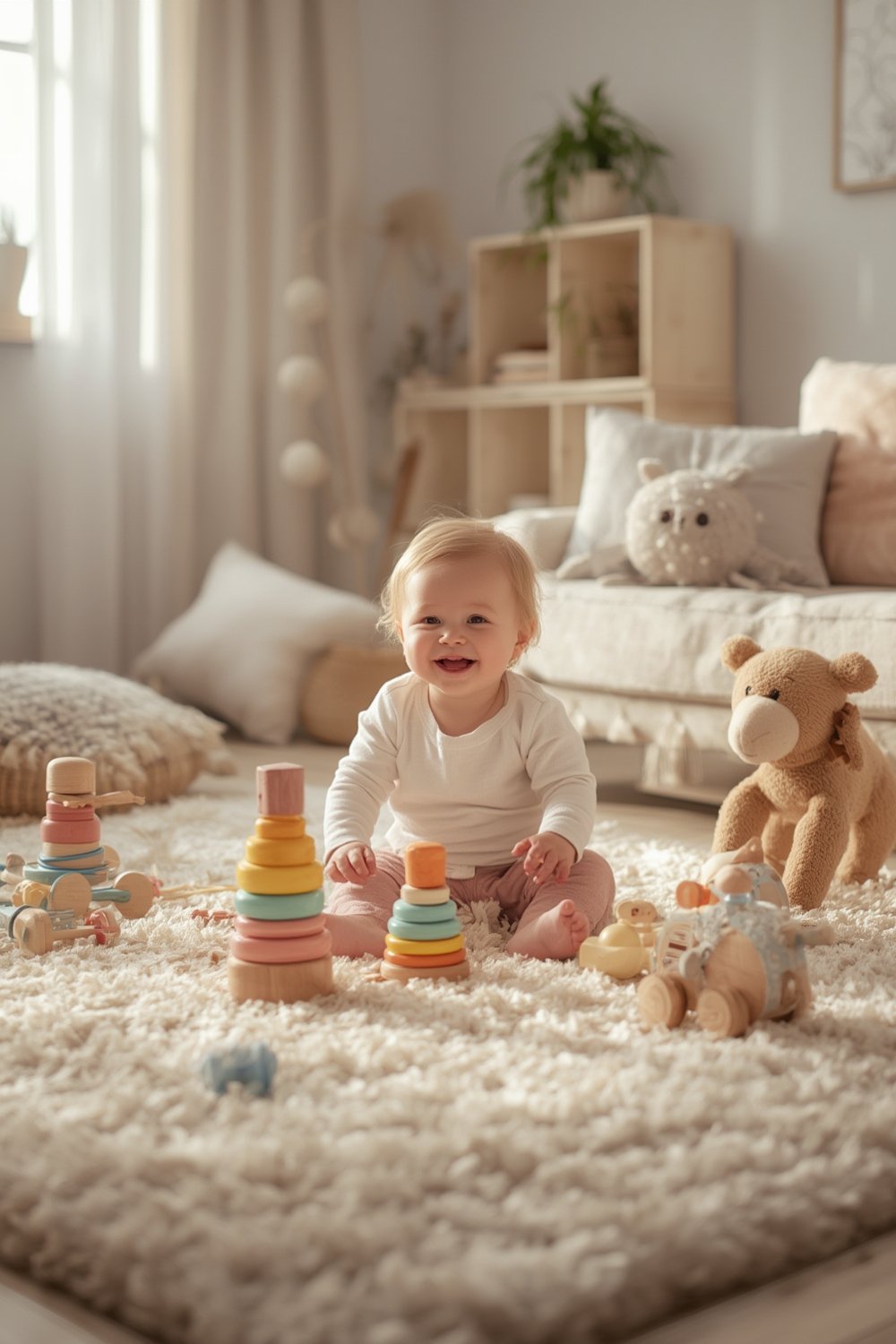
Parents can encourage development by selecting toys that offer movement (push walkers, ride-on toys), interactive features (talking books, simple musical instruments), and hands-on manipulation (blocks, stacking cups). With increased mobility, toy safety also becomes a bigger concern. US and UK rules cover hazards such as small parts, choking, flammability, and chemical content. Knowing what to look for on toy labels helps ensure safe play.
For more on supporting healthy milestones, read Top 10 Essential Tips for Understanding Baby Developmental Milestones Month by Month.
Good toy choices don’t just pass the time—they actively help your child grow, learn, and explore the world around them.
Choosing and Using Toys: Step-by-Step Guide
- Start With Safety: Always check labels for age appropriateness and certifications. In the US, seek toys meeting ASTM F963-23 and displaying a valid Children’s Product Certificate. In the UK, look for EN71, UKCA, or CE marks. Bigger brands tend to comply but always double-check—find detailed safety guidance on the Consumer Product Safety Commission and QIMA’s Toy Safety Testing UK page.
- Choose for Milestones: For new walkers, push toys and stable ride-ons help coordination. For budding talkers, choose toys with simple words, songs, or animal sounds. For engaged fingers, look for blocks, stacking cups, and easy puzzles.
-
Prioritize Engagement: Observe what truly holds your toddler’s interest. Rotating a few toys at a time—rather than overwhelming with many options—keeps play fresh.
Learn toy storage and organization tricks from The Ultimate Guide to Kids Toy Storage Solutions. - Evaluate Durability and Cleanability: Toddlers drop, chew, and bang toys. Make sure you can easily wipe or wash them, especially those that end up in little mouths.
- Review Parent Feedback: Look at reviews for problems like faulty wheels, quick breakage, or unresponsive sound features. Even highly rated toys sometimes frustrate parents—especially with battery covers, loose screws, or confusing assembly.
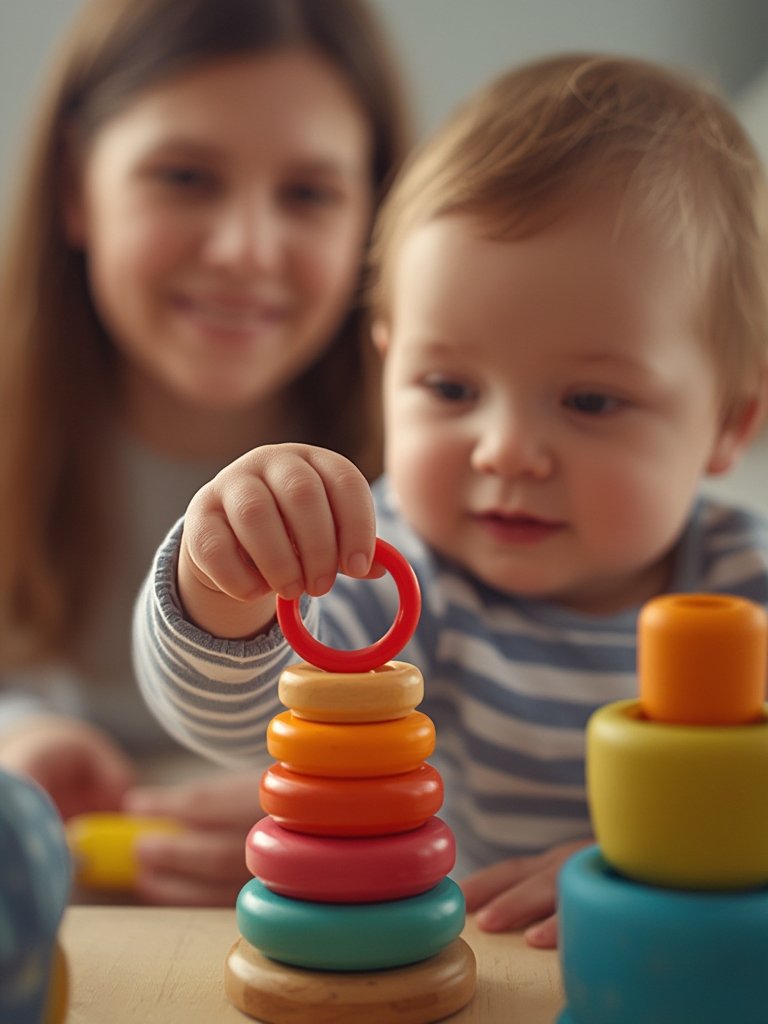
If you’re seeking inspiration for younger or older age groups, see Trending Baby Toys 2024 and Toys for babies 9-12 months.
Finally, remember that a safe, open play space is as important as any toy. For help babyproofing your play area, explore baby safety gates.
Advanced Analysis & Common Pitfalls
Parents often run into the same issues when buying toys for toddlers 12-18 months—many stemming from real-world use patterns that don’t always match marketing promises. Here’s what realistic feedback (and the latest regulations) reveal:
- Loose or Breakable Parts: Even “safe” toys can sometimes break. Check reviews for reports of easily detached wheels or buttons.
- Required Safety Markings: Incomplete labeling or missing certification is riskier than most parents expect. Choking hazard warnings, tracking labels, and fonts must meet strict legal size requirements. Learn more at JJRLAB’s toy certification guide.
- Batteries and Sounds: Battery-operated toys can frustrate, with parents citing hard-to-open covers and sound malfunctions.
- Price Ranges: Although official 2024 data is limited, expect basic, well-made toys to start around $10-$20; midrange feature-rich toys, $25-$50; and “premium” electronic or branded toys upwards of $60. Higher prices don’t guarantee durability or better learning value—sometimes the simplest toys are best. For more insights, compare Best toys for babies 6-9 months and their features as a benchmark.
| Type of Toy | Typical Issues | What to Watch For |
|---|---|---|
| Push Walkers | Tip over easily, wheels come loose | Wide base, securely fastened wheels |
| Talking/Interactive Toys | Sound stops working, confusing instructions | Replaceable batteries, simple functions |
| Blocks, Stackers | Paint chipping, sharp corners | Non-toxic paints, rounded edges |
| Books | Paper tears, board books splinter | Sturdy board pages, wipe-clean finish |
If you’re planning to rotate toys or create themed play zones, see our guidance on toy organization solutions to keep play areas safe and clutter-free.

Conclusion: Next Steps for Safer, Smarter Play
When chosen carefully, toys for toddlers 12-18 months are a powerful way to encourage movement, speech, and hands-on skills while keeping your child safe. Always check for updated safety certifications, choose toys that match developmental milestones, and learn from other parents’ experiences—both the successes and the struggles. For more on creating a safe home environment, review Safe Sleep Solutions: Toddler Beds and Crib Bumper Safety.
Ready to select your next toy? Explore reviews, prioritize safety, and focus on toys that evolve with your toddler—give your child the tools they need to grow boldly and safely. For the best new releases, visit our Trending Baby Toys 2024 guide.
FAQs about Toys for Toddlers 12-18 Months
What age safety labels should I look for on toys?
Look for clear labeling that states “suitable for 12 months+” or a similar age range. In the US, products must comply with ASTM F963 and have a Children’s Product Certificate; in the UK, look for EN71 and UKCA or CE marks.
How do I clean and disinfect toys safely?
For plastic and silicone toys, use warm water and mild soap or the dishwasher if the label allows. For wooden toys, wipe with a damp cloth and let air dry. Always follow manufacturer instructions for electronics or battery-operated toys.
Are electronic language toys better for speech development?
Electronic toys can introduce simple words and sounds, but nothing replaces real interaction. Combine use of language toys with speaking, singing, and reading to your child for best results.
What’s the best way to store and rotate toys to keep my toddler interested?
Keep only a few toys out at a time and store the rest in accessible bins. Rotating every week or two helps maintain interest and reduces clutter. See more in our toy storage guide.
Are premium-priced toys worth the investment?
Higher-priced toys may offer extra features or premium materials, but many simple, affordable toys are just as effective for learning. Evaluate durability and engagement, not just the brand or price tag.