

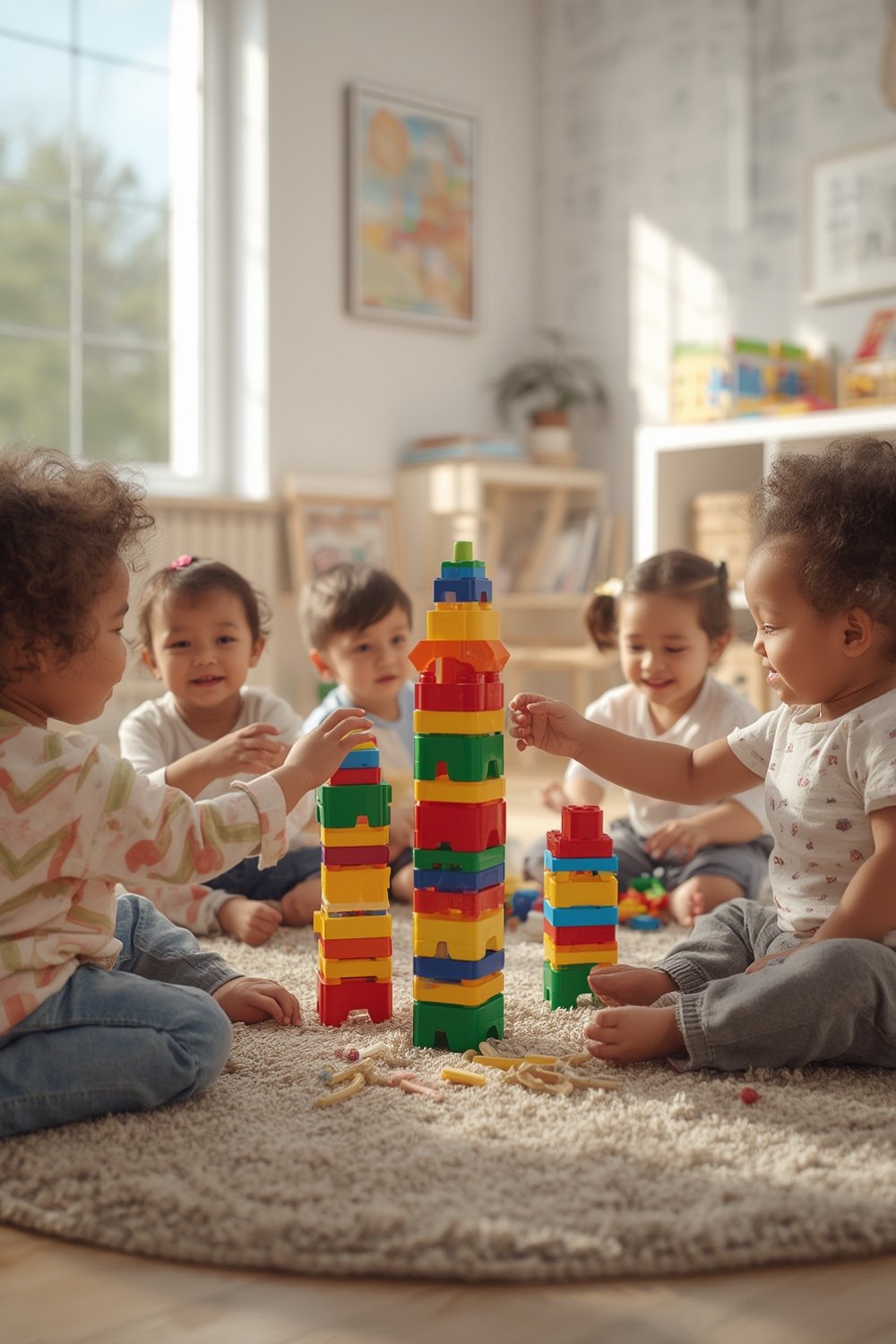
Toys for toddlers 18-24 months offer more than just entertainment—they are critical tools for developmental growth, creativity, and problem solving during this rapid learning phase. The right toys can spark curiosity, improve motor skills, and even encourage early independence when chosen wisely. But what really matters when selecting toys in this pivotal age range, and what does the latest industry research suggest for 2024?
Key Takeaways
- Educational and creativity-focused toys now command the largest share of the toddler toy market, reflecting a strong parental push for cognitive and motor development.
- Material choice and safety are top priorities; parents increasingly prefer wooden or fabric toys while carefully assessing developmental suitability.
- Most competitor articles miss the mark on play value retention, material efficacy for milestone development, and STEM or sensory integration for 18-24 months.
- The Core Concept: Why Creative Toys Matter for Toddlers 18-24 Months
- Step-by-Step Guide: Choosing the Best Toys for Toddlers 18-24 Months
- Advanced Analysis & Common Pitfalls
- Conclusion
- FAQ Section
The Core Concept: Why Creative Toys Matter for Toddlers 18-24 Months
Toys for toddlers between 18 and 24 months are far more than distractions. At this stage, children reach crucial milestones in motor skills, cognitive function, and social-emotional development. Creative toys—think puzzles, building sets, and shape sorters—play an outsized role in supporting these leaps.
According to 2024 market research, educational toys have surged to 35% market share in the $16 billion toddler toy industry. Parents now seek toys that do double duty: promoting problem solving and motor skills while still being engaging enough for repeated play. Features that stimulate senses, encourage independent thinking, and enable hands-on exploration are now more valued than ever.
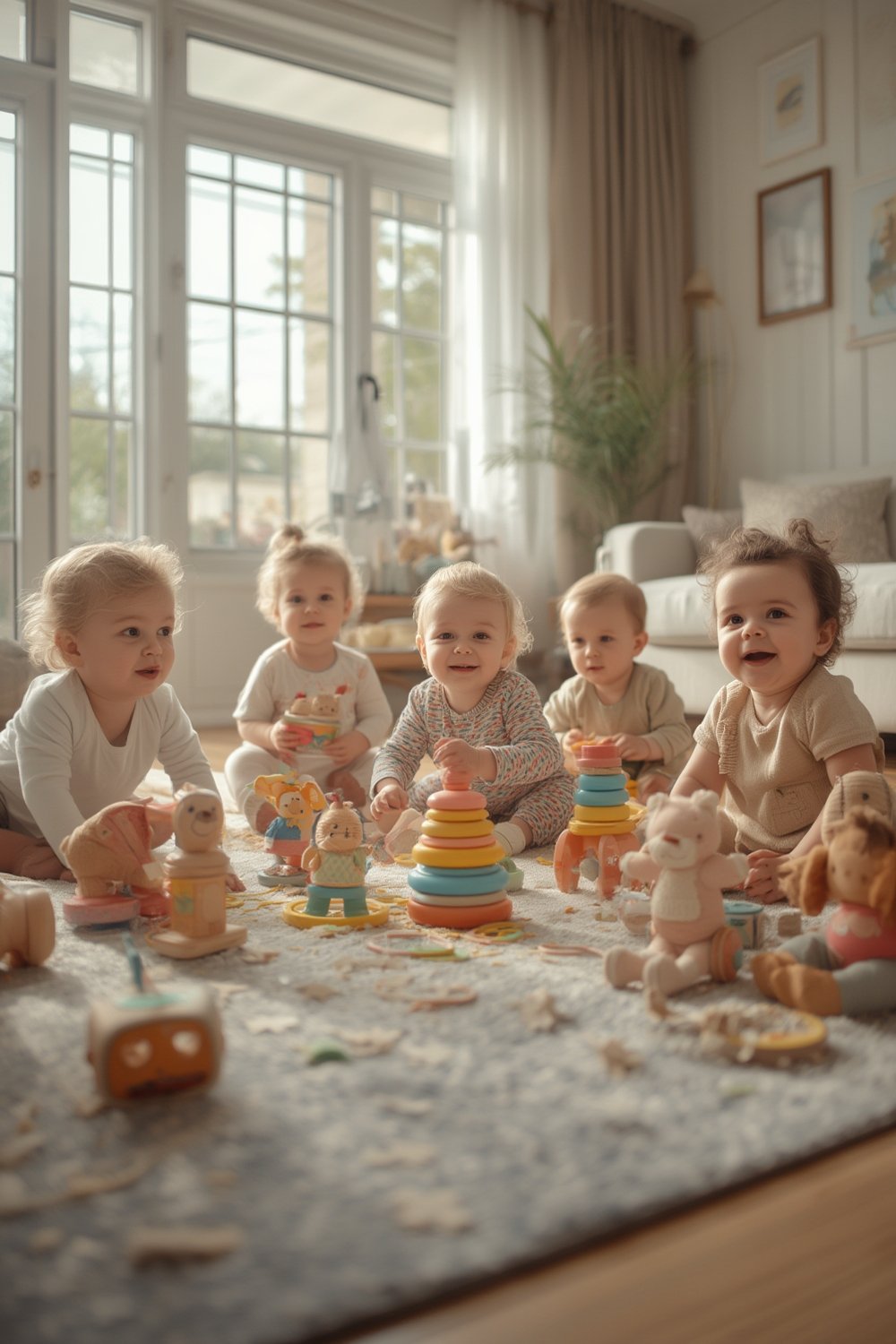
Well-crafted toys for 18-24 months also address safety and sustainability concerns. Many parents prefer the tactile warmth of wooden or fabric toys and steer away from potentially unsafe plastics. This focus is not only about protecting children, but also about cultivating a play environment that fosters growth across all developmental domains.
Step-by-Step Guide: Choosing the Best Toys for Toddlers 18-24 Months
Making sense of the overwhelming options for toys for toddlers 18-24 months can be simplified with a practical, stepwise approach. Here’s how to confidently choose creative, developmentally appropriate toys.
- Define Your Goals: Clarify which milestones you want to support—problem-solving, fine motor skills, or creative play? For a developmental overview, check out our baby milestones guide.
- Prioritize Material and Safety: Seek toys made from high-quality wood or fabric. Look for smooth edges, non-toxic finishes, and sturdy construction. While certifications like ASTM or EN71 are ideal, in their absence rely on reputable brands and consumer trust signals.
- Assess Developmental Fit: Shape sorters develop hand coordination; building blocks encourage creativity; simple puzzles hone problem-solving. Pick toys that match your toddler’s abilities but also stretch them just a bit.
- Check for Repeat Play Value: Read trusted reviews, watch how other children engage with the toy if possible, and choose open-ended designs that adapt as your child develops.
- Integrate Sensory & STEM Components: Look for toys that involve different textures or simple cause-and-effect elements to build scientific thinking from the start.
- Set an Appropriate Budget: Understand that premium toys often have justified costs because of their educational benefit. Building sets in particular, though pricey, see strong demand due to their impact on independent, creative play. Market data supports this from industry research.
- Rotate and Organize: Keep your play space tidy for safety and sustained interest. For top organizing tips, visit our post on toy storage solutions.
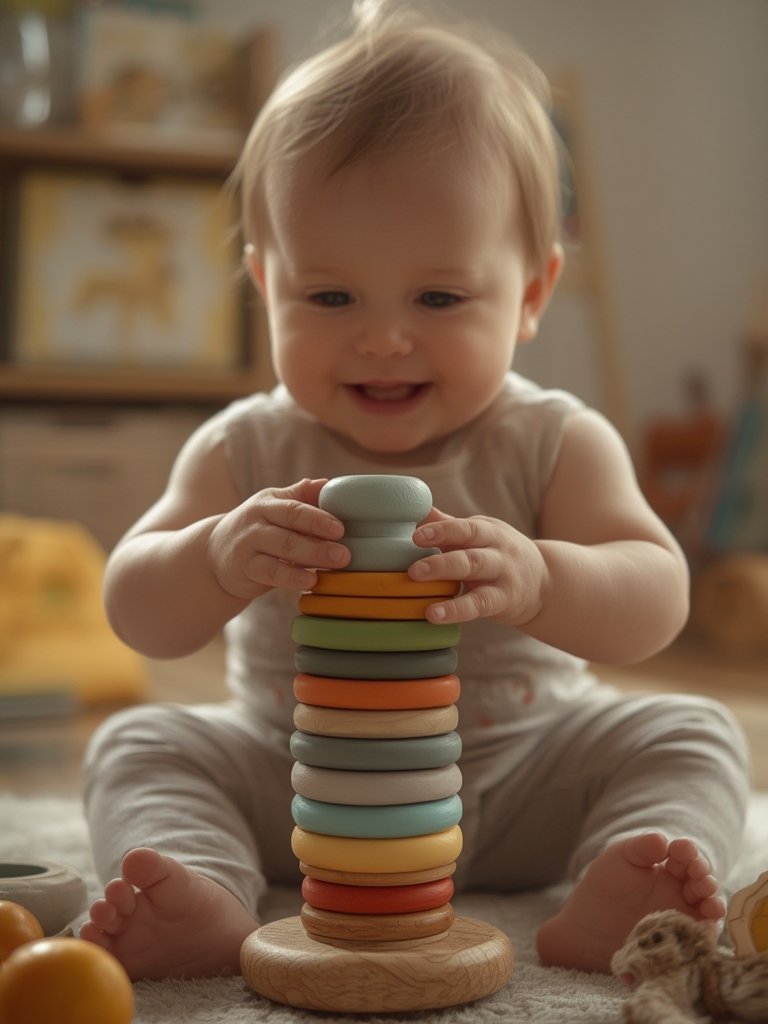
Finally, always monitor early interactions with new toys, especially when transitioning from one material type to another (e.g. wood to fabric). Children at this age explore with mouths and hands, making close supervision essential.
For a deeper look at the developmental needs underlying toy selection, see our practical parenting guide on toddler behavior and development.
Advanced Analysis & Common Pitfalls
Despite market growth and an abundance of options, some parents run into common obstacles when choosing toys for toddlers 18-24 months. We break down the most frequent pitfalls and offer solutions.
- Short-Lived Interest: Many toys grab attention briefly but are quickly abandoned. Prioritize designs that encourage open-ended play and adaptation. Research shows high-quality educational toys are reused more often across developmental stages.
- Materials Mismatch: Parents sometimes assume all “natural” materials are safer. In truth, unfinished wood can splinter and low-quality fabrics may harbor allergens—always inspect for quality, finishing, and washability.
- Hidden Safety Hazards: Items without visible small parts could still break under toddler pressure. Durability is as important as initial appearance. Refer to our safe sleep guidance for broader home safety context at toddler bed safety.
- Neglected Sensory and STEM Elements: Many toys don’t incorporate multi-sensory or basic STEM features. Look specifically for tactile, sound, or simple mechanism-based toys for richer learning opportunities.
| Material | Pros | Cons | Best For |
|---|---|---|---|
| Wooden | Durable, natural, tactile, eco-friendly | Can splinter if poorly made; heavier for throwing | Construction blocks, puzzles |
| Fabric | Soft, washable, lightweight, safe for mouthing | May fray or lose shape; potential allergens | Plush blocks, soft books |
| Plastic | Lightweight, easy to mold for STEM toys | May contain unsafe additives; less eco-friendly | Shape sorters, stacking cups |
For households focused on minimizing clutter and maximizing creative play, a regular toy rotation is invaluable. Combine this with practical nursery storage solutions to ensure toys stay safe, clean, and accessible. And, if developmental milestones seem off-track, our milestone tracker guide can help.
Conclusion
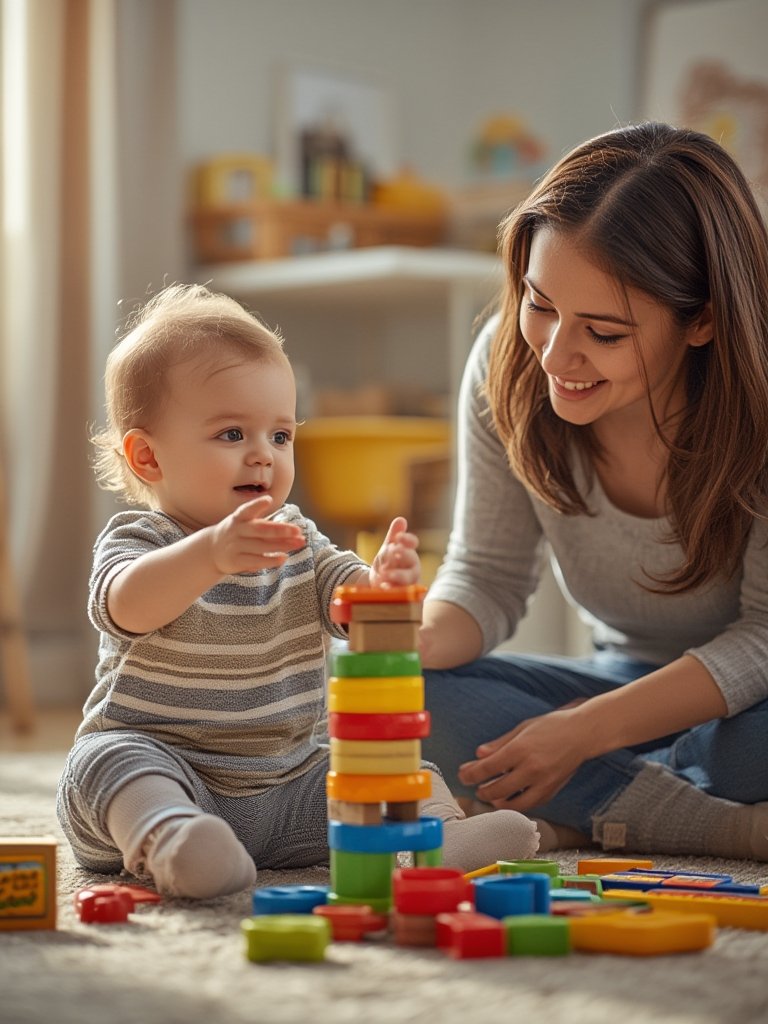
Making smart choices about toys for toddlers 18-24 months pays off in every area of development—from cognitive growth to emotional resilience. Focus on open-ended, well-constructed, and multi-sensory options that engage creativity while attending to safety and repeat play value. Always align your selection with your specific child’s needs and consider both the short-term excitement and long-term developmental benefit.
Ready to upgrade your toy rotation or spark new learning? Use this guide to make informed, confident decisions about toys for toddlers 18-24 months and nurture your toddler’s growth with intention. Explore our curated baby toys list for more ideas!
FAQ Section
What types of developmental milestones do creative toys support in toddlers 18-24 months?
They promote hand-eye coordination, problem solving, early independence, motor skills, and creativity—all foundational for later learning.
Are wooden toys always safer than plastic or fabric toys?
Not always. Wooden toys must be well-finished and free from splinters. Plastic toys should be BPA-free and durable, while fabric toys need to be washable and allergen-free.
How can I tell if a toy has true long-term play value?
Favor open-ended toys—like building blocks—that can be used in multiple ways as your child develops. Observe your child’s interest in-store or with peers for clues to potential repeat play.
What certifications should I look for in toddler toys?
While specifics like ASTM or EN71 are ideal, seek out established brands and look for evidence of safe materials, smooth edges, and compliance with local safety norms. If in doubt, consult the packaging and seller’s reputation.
Why are some creativity toys for toddlers so expensive?
Premium pricing often reflects the use of safer, high-quality materials, research-backed design, and proven developmental benefits—especially for building sets and educational toys.