

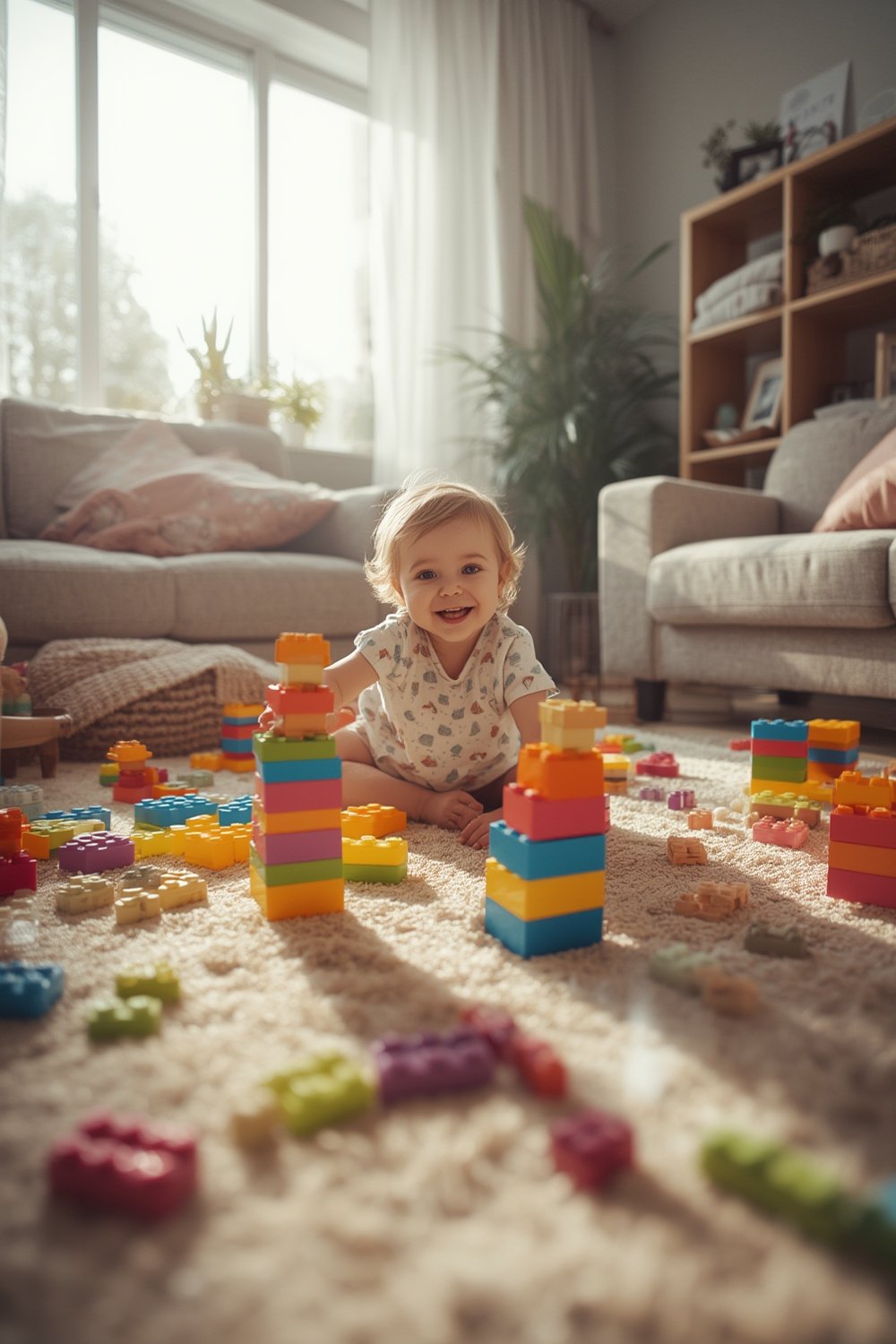
Toys toddlers need 18-24 months support core development, but choosing wisely requires understanding which toys matter, common pitfalls, and how to maximize learning and safety at this crucial age. Whether you’re a parent, caregiver, or educator, getting it right can make every play session count.
Key Takeaways
- Smart toy selection for 18-24 month olds boosts physical, cognitive, and social skills—focus on open-ended, safe, and durable options.
- Common issues include poor engagement, lack of adaptability, and missing safety certifications, so research is essential before any purchase.
- Think long-term: look for toys with multi-stage appeal, sustainability, and the flexibility to support diverse developmental needs.
- What Makes the Best Toys for Toddlers Aged 18-24 Months?
- How to Choose the Right Toys for 18-24 Month Toddlers: A Step-by-Step Guide
- Advanced Analysis & Common Pitfalls: What Most Parents Miss
- Conclusion
- FAQ: Toys Toddlers Need 18-24 Months
What Makes the Best Toys for Toddlers Aged 18-24 Months?
The best toys for toddlers in the 18-24 month range should actively support key milestones. At this age, children grow rapidly in gross and fine motor skills, language, cognitive problem-solving, and pretend play. Toy choices directly influence how they practice new abilities and develop confidence.
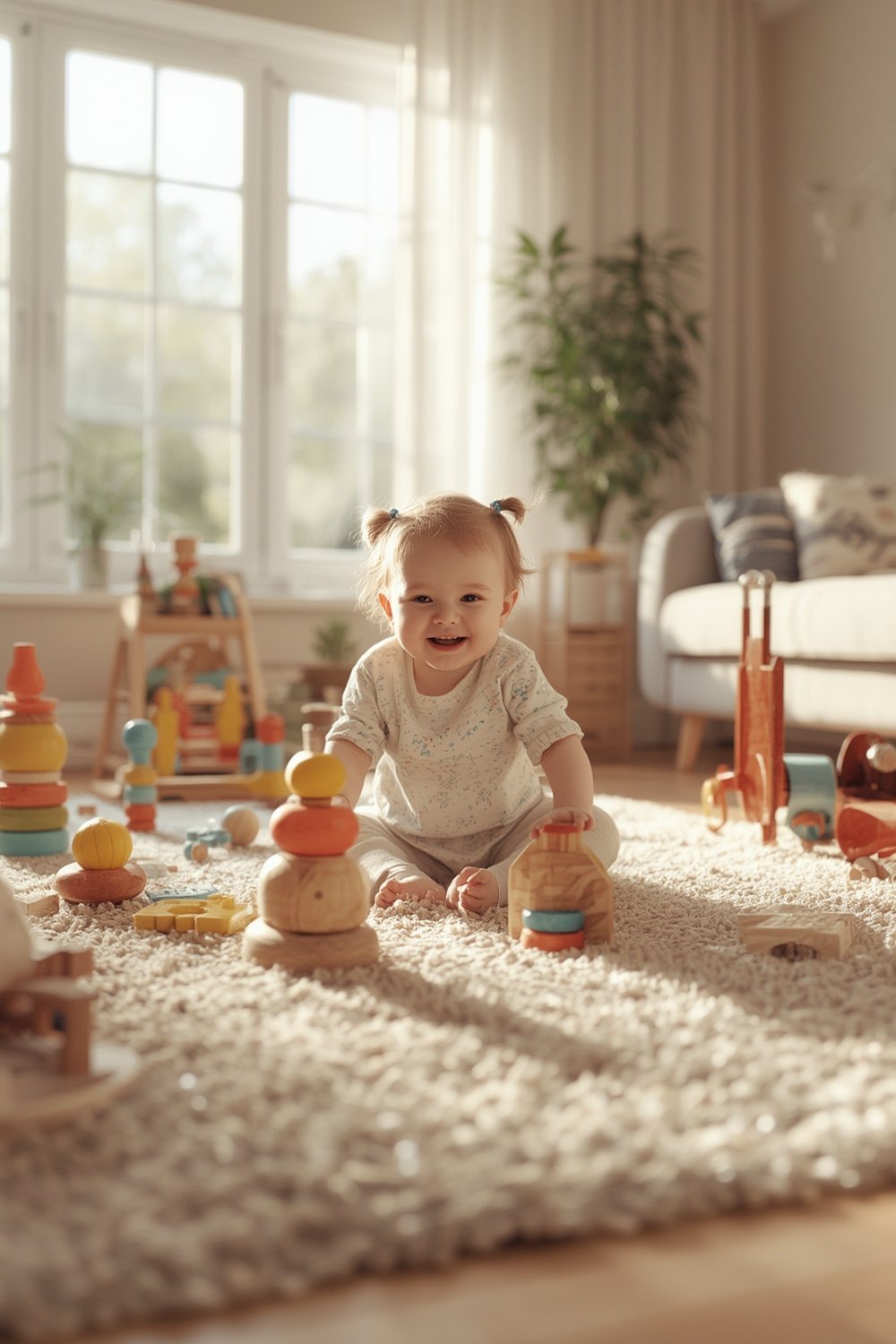
Gross motor skills are fueled by items like push-pull toys, soft ride-ons, climbing frames, or Pikler triangles. According to Montessori experts and Pathways, these toys help toddlers build balance, strength, and whole-body movement in safe, open-ended ways.
For fine motor skills, look for toys with doors and keys, nesting cups, chunky puzzles, crank-handle music boxes, and easy-grasp tools. For example, the Critter Clinic comes highly recommended by speech therapists for supporting dexterity and hand-eye coordination (watch the review).
Cognitive development gets a boost from building blocks, cause-and-effect toys, stacking rings, beginner puzzles, car ramps, and anything that lets toddlers experiment with how things fit or move. These toys spark curiosity while sharpening problem-solving and reasoning.
To encourage language and pretend play, introduce play kitchens, dolls, toy food, and cars—anything that lets your child mimic real-life actions and expand vocabulary. Open-ended scenarios using household items or themed sets help toddlers practice words and social routines. Interactive sound toys further support this stage (view suggestions).
Finally, life skills are introduced with child-sized tools—brooms, dustpans, gardening kits—so toddlers learn responsibility and routines early (Montessori Gifts).
For a deeper dive into related sleep safety for toddlers and nurseries, learn more at Safe Sleep Solutions: Toddler Beds and Crib Bumper Safety.
How to Choose the Right Toys for 18-24 Month Toddlers: A Step-by-Step Guide
To select toys that genuinely support toddlers’ growth, use the following approach:
- Check Safety Essentials First
- Avoid small parts, sharp corners, or fragile pieces. The American Academy of Pediatrics warns against baby walkers for this stage.
- Opt for well-balanced toys that won’t tip over. For bowling sets, pick softer pins instead of hard or heavy ones (see examples).
- Select for Key Milestones
- Gross motor toys—push, pull, ride-ons, step climbers.
- Fine motor toys—lock-and-key playsets, music boxes, chunky shape sorters.
- Cognitive toys—blocks, beginner puzzles, gravity tracks.
- Pretend play—kitchens, dolls, play vehicles, household role-play toys.
- Look for toys with “give” that match your child’s developmental level and interests.
- Check Adaptability and Longevity
- Will the toy grow with your child? Select items that can be used beyond the 24-month mark for maximum value.
- Opt for open-ended playthings that encourage creativity and multiple uses.
- Think About Sustainability
- When possible, pick toys made from eco-friendly materials like wood or recycled plastic. These tend to last through multiple children and have a gentler environmental impact—an idea missing from most top articles.
- Budget: Compare Before You Buy
- STEM toys for 1–2 year olds range from $50.99–$73.99, but you don’t have to overspend. Quality, simple toys (like blocks or stacking sets) are typically affordable. Balance premium “kit” toys with everyday basics.
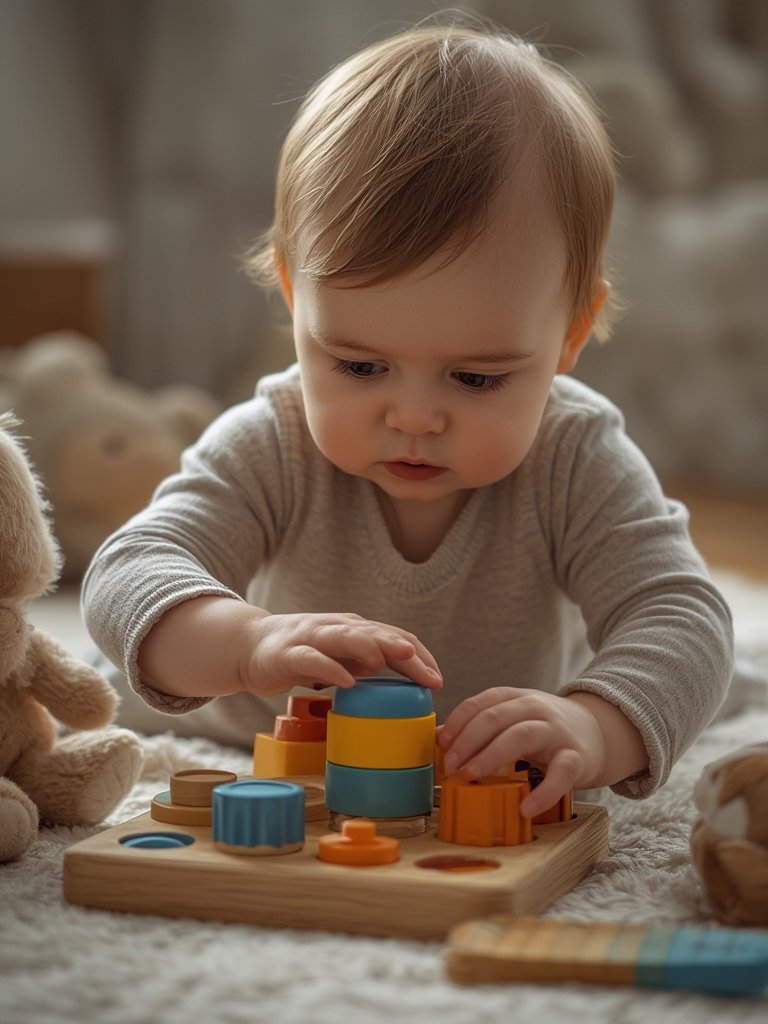
Need ideas for toy storage and childproofing? Visit our in-depth Kids Toy Storage Solutions Guide.
For detailed developmental guidance at each age milestone, don’t miss Top 10 Essential Tips for Understanding Baby Developmental Milestones.
Advanced Analysis & Common Pitfalls: What Most Parents Miss
Even the most diligent shoppers may fall into these traps when selecting toys toddlers need 18-24 months.
| Toy Feature | Potential Issue | How to Avoid |
|---|---|---|
| Popular kit toys with multiple pieces | Pieces get lost, overwhelming for younger toddlers | Limit play to a few pieces at a time; store rest away |
| Heavy, wooden, or metallic toys | Potential injury if thrown or dropped | Prioritize lighter materials, rounded edges |
| Budget/no-name brands | May lack safety testing or durability | Research brands for recalls & certifications |
| Battery-operated toys | Short engagement, less creative exploration | Mix with open-ended, non-electronic toys |
| Single-purpose toys | Outgrown quickly—become clutter | Choose toys with extended/multi-stage play value |
Current research shows key creative toddler toys include blocks, stacking cups, and role-play sets—but remember, what’s missing in market reviews is adaptability for special needs and inclusivity. Seek out toys that can be used by toddlers with diverse motor, cognitive, or sensory needs.
Explore more about independent play and healthy behavior: Independent Play Toys 12-18 Months and Understanding Normal Toddler Behavior.

Conclusion
The right toys for 18-24 month olds are those that foster gross and fine motor skill growth, support early language and problem-solving, and adapt to your child’s imagination and needs. Prioritize open-ended, safe, and durable choices—ideally with eco-friendly materials to ensure benefits for more than just one season of life. Whenever in doubt, research, rotate, and observe your child’s interests for the best results. Remember, for a truly supportive environment, always prioritize toys toddlers need 18-24 months for their unique stage. Ready to transform playtime? Start building a purposeful collection today.
FAQ: Toys Toddlers Need 18-24 Months
What are the safest types of toys for 18-24 month-olds?
Choose toys made of non-toxic materials, with rounded edges and no small parts to avoid choking hazards. Always look for reputable brands with documented safety standards.
Are wooden toys or plastic toys better for toddlers?
Wooden toys are generally more eco-friendly, durable, and timeless. Quality plastic toys can also be safe and lightweight. The most important thing is checking for safety certifications.
Should I avoid electronic toys at this age?
Electronic toys can be entertaining, but open-ended, low-tech toys typically support more creativity and active play for toddlers. Mix a few electronic toys with plenty of imaginative options.
How many toys should my 18-24 month old have?
Less is more. 6–12 thoughtfully chosen toys rotated every week or two keeps your toddler engaged and prevents overwhelm.
How do I know if a toy will grow with my toddler?
Look for toys labeled 18 months and up, or those described as “multi-stage” or “open-ended.” These options offer play value through several developmental stages.