

### Blog Post:
When do babies start talking? This is one of the first big questions parents have during a child’s first two years. Understanding speech development helps caregivers set realistic expectations, catch problems early, and support milestones every day.
Key Takeaways
- Most babies say their first words around 12 months, but the normal range has huge variation—2 to 150+ words by 16 months is still within healthy limits.
- Regular, lively conversations and infant-directed “baby talk” accelerate language development—reducing adult speech (especially due to phone use) can slow progress.
- If your child has fewer than 2 words/gestures at 16 months or is not understood 50% of the time by age 2, talk to your pediatrician for early support.
- What Age Do Babies Start Talking—and Why Is It So Variable?
- How to Support Early Speech: Daily Steps Every Parent Can Use
- Common Pitfalls, Delays, and What the Latest Science Reveals
- Conclusion
- FAQ
What Age Do Babies Start Talking—and Why Is It So Variable?
Babies typically begin talking—meaning using recognisable single words—around their first birthday. However, the average age for first words is only a rough guideline. Recent research from ParentData and the Mayo Clinic highlights an enormous range: At 16 months, a small percentage of children will have just 2 words, while others might have well over 150 words or gestures. By 24 months, some toddlers use 50 words; others use up to 500—both are normal.
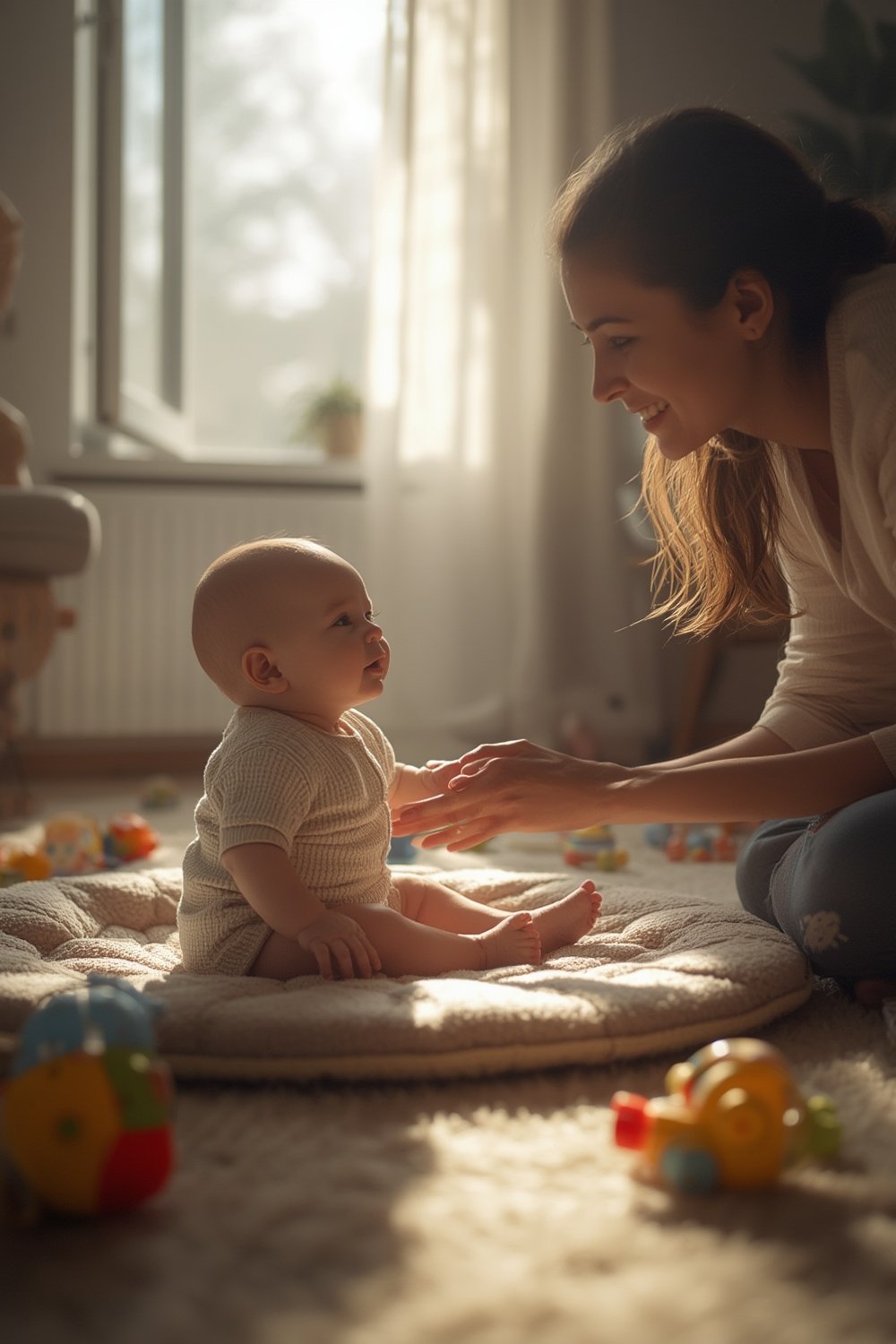
Speech doesn’t leap from “nothing” to sentences overnight. Long before babies talk, they communicate by clustering sounds into categories like squeals, growls, and vowel-like noises.
Recent 2024 research shows 87% of infants cluster these vocalizations—peaking after 5 months—regardless of adult presence and regardless of whether the child is learning one or two languages (UT Dallas study).
There are almost no global differences in talking timelines—even bilingual babies develop at the same pace as monolinguals (UCL cross-cultural study).
This means the “right” age is a wide spectrum, with daily habits and interaction quality having real impact.
How to Support Early Speech: Daily Steps Every Parent Can Use
You can make a big difference in your baby’s speech and language by adjusting daily routines. Here is what the latest evidence recommends:
- Talk more, narrate everything. Describe actions, feelings, and surroundings (“Now I’m putting on your socks. Look at the red ball!”).
- Read and sing Read and sing daily.
- Practice turn-taking. Pause intentionally in your talking and respond when your baby vocalizes or gestures. Even babbles count.
- Name and point. Point to everyday items while naming them (“Cup! Book! Dog!”) and encourage your baby to point back.
- Avoid passive screen time. Screens do not replace live human speech and can cause babies to tune out.
- Social play matters. Routine everyday interactions, even at 5 months, build neural activity that forecasts later vocabulary (2024 UW study).
- Record and celebrate vocal play Record and celebrate vocal play.
- Encourage gesture use Encourage gesture use.
- If raising a bilingual child, do not worry. Recent studies find no delay at all (UCL Research), so use both languages confidently.
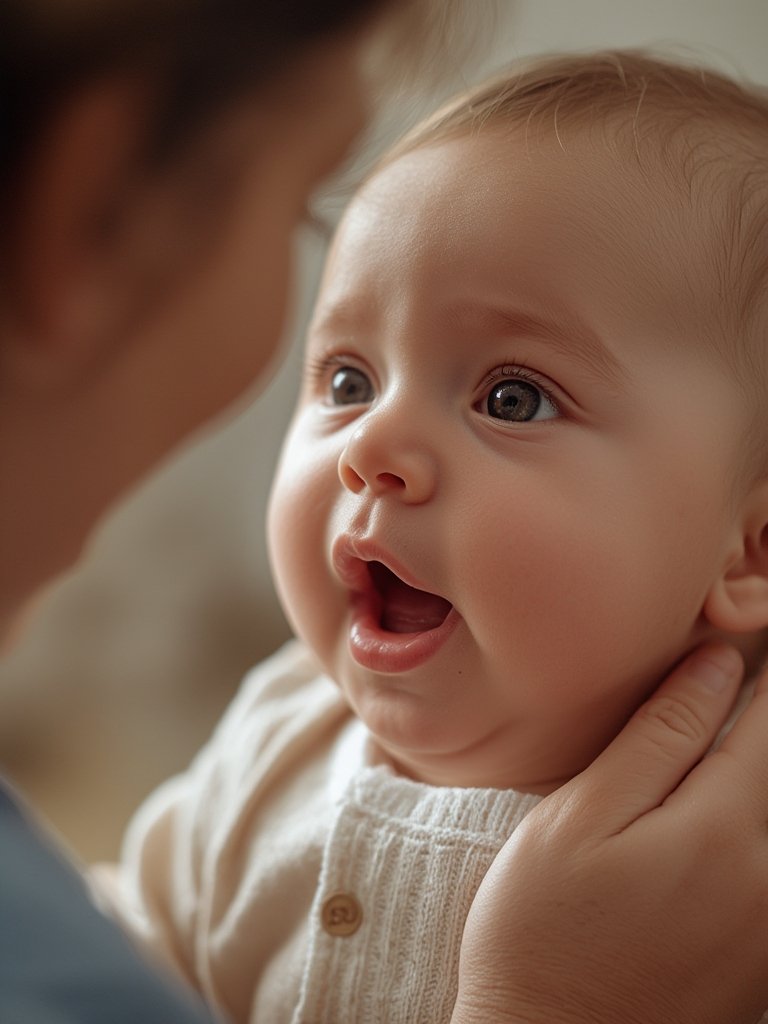
Looking for more holistic support during your child’s development? You might want to check the top 10 essential tips for understanding baby milestones month by month or explore safe sleep routines in our guide on toddler bed safety and crib tips.
Common Pitfalls, Delays, and What the Latest Science Reveals
Most children hit talking milestones with only small bumps along the way, but real problems can arise. Here’s what the newest research says and mistakes to avoid:
- Comparing your baby to others can be misleading. Some 16-month-olds use just a couple of words; others use over 100. Both can be normal.
- Phone distractions reduce crucial speech exposure. In field recordings, mothers spoke much less to their infants while on their phones, directly lowering meaningful vocal input.
- Confusing “milestones” with hard deadlines. Use speech milestones as screens to spot delays, not as rigid benchmarks where every child must check every box.
- Late talking can sometimes signal medical issues. These include hearing loss or neurodevelopmental differences (e.g. autism spectrum disorder), though many late talkers catch up.
- Bilingual homes are not a cause for delay. Major new studies show babies in bilingual environments follow the same timeline as their monolingual peers.
| Age | Typical Range of Words/Gestures | When to Seek Evaluation |
|---|---|---|
| 12 months | First word or gesture | No babbling or gestures |
| 16 months | 2–150+ words/gestures | Fewer than 2 words or gestures |
| 24 months | 50–500 words, simple phrases | Fewer than 50 words, not understood 50% of the time, no phrases |
What if your baby’s language lags behind these ranges, or if you see red flags like:
- No simple phrases by age 2
- Doesn’t follow simple commands
- Speech progress plateaus after 24 months
If so, reach out to your pediatrician or a speech-language pathologist. The earlier support happens, the better.
Need to track milestones more closely? Try a baby milestone tracker or supplement daily routines with guidance from toy organization solutions that encourage learning through play.

Conclusion
Every baby is different. While many parents wonder when do babies start talking, the best approach is to engage, talk, play, and pay attention—without panicking if milestones arrive early or late. Spot warning signs, but trust the large range of “normal.”
Want to support your child’s development further? Check related guides like when do babies start crawling and newborn and baby essentials. If delays concern you, connect with a professional for personalized guidance. Talk, listen, and enjoy every conversation—no matter how it sounds.
FAQ
Is it normal for my 16-month-old to say only a few words?
Yes, there is a huge normal range. Some children have only 2–3 words at 16 months; others have more than 100. Focus on interactive play and keep offering new words without pressure.
Does learning two languages slow down talking?
No—recent research confirms that bilingual children develop language at the same pace as monolingual peers. Use both languages at home without worry.
When should I worry if my child isn’t talking?
If your child has fewer than 2 words or gestures at 16 months, under 50 words by 24 months, isn’t combining words into simple phrases, or isn’t understood half the time, seek professional input.
What can I do every day to help my baby talk sooner?
Use animated “baby talk,” read and sing, describe your actions, take turns, and keep distractions (like phones) to a minimum during playtime.