

### Blog Post:
When does baby get first shots? This is one of the first big questions every parent faces, and the answer shapes your baby’s early health. The timing, type, and pattern of vaccines are more important than ever in 2024—especially as new recommendations, COVID-19 integration, and country differences affect what to expect.
Key Takeaways
- Babies typically get their first shots at birth—with additional doses at 2, 4, 6, and 12 months following the CDC or local schedule.
- COVID-19 vaccines are now part of the official infant immunization schedule in the US, starting at 6 months.
- Side effects are usually mild but being prepared with comfort measures and aftercare strategies makes the process less stressful for both parent and baby.
- Understanding Your Baby’s First Shots: What & Why
- Step-by-Step Guide: How to Navigate Your Baby’s Vaccine Schedule
- Advanced Analysis & Common Pitfalls
- Conclusion
- FAQ
Understanding Your Baby’s First Shots: What & Why
The first year of life is when your baby receives the most essential vaccinations to protect against severe childhood illnesses. The routine schedule isn’t just about checking a box. Each dose builds layered protection at the age babies need it most—when their immune systems are just starting to work. Timely shots help prevent dangerous diseases like whooping cough, rotavirus, pneumonia, polio, and now COVID-19. Understanding both the exact timing and the rationale helps you advocate for your child and spot any gaps along the way.

The standard CDC schedule for 2024 recommends a dose of hepatitis B vaccine at birth, then most core vaccines (DTaP, IPV, Hib, PCV, rotavirus) starting at the 2-month visit, with further doses at 4 and 6 months. The first MMR and chickenpox shots come at 12 months, alongside hepatitis A. COVID-19 vaccination (Moderna or Pfizer) becomes available at 6 months. Timely vaccination—despite the occasional tears—helps avoid severe illness, hospitalizations, and long-term complications.
Every country adjusts this core plan based on local disease risk, healthcare system, and access. For example, Australia and the US give hepatitis B at birth, while the UK includes it at 8 weeks. Some countries add BCG for tuberculosis at birth, or prioritize meningitis vaccines earlier. Knowing which schedule applies to your family matters—especially if you move or travel.
If you’re preparing for these milestones, our full baby vaccination schedule guide offers next-level breakdowns, and our recovery and side effects tips help you handle those post-shot days with confidence.
Step-by-Step Guide: How to Navigate Your Baby’s Vaccine Schedule
-
Check the Schedule Before Each Visit
Review your country’s or region’s recommended schedule. For the US, use the CDC’s by-age charts. Mark upcoming vaccines on your calendar so you’re never caught by surprise. Double-check with your pediatrician, especially if your baby was preterm or has special health conditions—they may need a slightly different sequence.
-
Prepare All Medical and Immunization Records
Bring your baby’s existing immunization record or app to every appointment to avoid duplicate shots or missing a dose. If switching providers or moving between countries, ask for official translation or documentation.
-
Clarify Brand-Specific Schedules
Some vaccines (like Hib and PCV) have different series depending on the brand. For example, PedvaxHIB uses a 3-dose series, while others require 4. If you switch brands between doses or experience supply changes, confirm with your doctor about the correct number of doses and timing. This detail is often skipped in common guides but crucial to full protection. For precise differences, check the CDC schedule notes or ask your care team directly.
-
Know What to Expect During the Visit
Depending on the age, your baby may get 2 to 5 shots at one visit—or an oral vaccine for rotavirus. Breastfeeding or bottle-feeding during and right after the shot, distraction with a toy, or a pacifier dipped in a sweet solution can meaningfully reduce pain and crying. Combination vaccines can cut down on the number of needle sticks—ask your provider if available. For babies starting their COVID-19 shots at 6 months, these may be co-administered with other vaccines for convenience.
-
Track Side Effects and Know What’s Normal
Most babies get mild reactions—soreness, brief fever, sleepiness, or slight fussiness—for a day or two. Redness/swelling at the injection site, mild vomiting or diarrhea (mainly with rotavirus), and extra naps are all normal. What is not normal: persistent high fever, uncontrollable crying for 3 hours or more, difficulty breathing, facial swelling, or a severe allergic reaction. These require immediate medical attention.
-
Book the Next Appointment Before Leaving
Set up the next vaccine visit immediately, as delays can expose your baby to infection and sometimes restart or adjust the vaccine series. Most clinics will remind you, but proactive booking reduces missed or late shots.
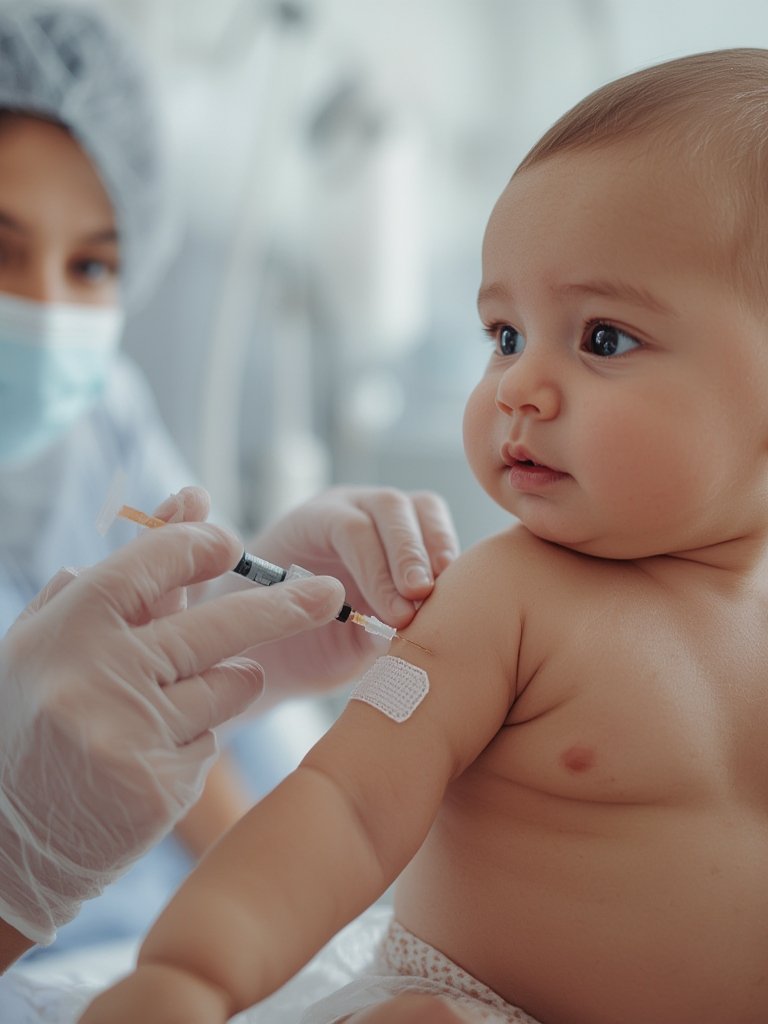
Consider using a digital growth and vaccine tracker app. Not only does it help you manage the vaccine journey, but apps often remind you to log symptoms, take a temperature, or note any unusual reactions—which eases follow-ups with your pediatrician.
For a deeper dive into what to expect at each milestone—and to learn about developmental achievements between shots —read our baby milestones guide.
Advanced Analysis & Common Pitfalls
Even well-prepared parents can stumble over some frequent pitfalls during the immunization process. Here’s what to watch for, plus a realistic look at the most common parental concerns:
-
Missing doses or delays due to illness, travel, or scheduling issues
Delays can require catch-up shots or alter the schedule’s intervals, especially for Hib, rotavirus (which must be started by 15 weeks), and COVID-19. If a dose is missed, proactively consult your pediatrician about catch-up protocols. -
Uncertainty about country or region-specific requirements
Moving between countries or even states can impact which vaccines are needed or the timing of boosters. If relocating, compare local vs. new schedules and adjust accordingly. See our comparison chart below for differences among the US, UK, and Australia. -
Overlooked differences by vaccine brand and special cases
Switching from one vaccine brand to another or having a preterm/low-birth-weight baby can mean different scheduling, especially for HepB and Hib. Always clarify this before each visit. -
Post-shot side effects mistaken for serious reactions
Mild fevers, fussiness, and swelling are common and temporary. However, not knowing when to seek help can cause anxiety or, rarely, missed urgent care. Our side effects guide offers specifics. -
Concerns about new or combination vaccines—especially COVID-19
COVID-19 vaccine integration has generated anxiety over long-term safety. Evidence shows co-administration with routine vaccines is safe, but discussing timing and questions directly with your pediatrician is always worthwhile. -
Failing to keep accurate records
A lost or outdated record can lead to redundant shots or missed protection—store a digital backup alongside the paper copy.
| Aspect | US (CDC 2024) | UK (NHS 2024) | Australia (2024) |
|---|---|---|---|
| Birth vaccine | HepB at birth | No HepB for low-risk; given at 8 weeks in combo; BCG only for high-risk | HepB at birth (universal or by risk) |
| 2-month visit | DTaP, IPV, Hib, PCV, rotavirus, HepB 2nd dose | “6-in-1” (DTaP/IPV/Hib/HepB), PCV, rotavirus, MenB | “6-in-1”, PCV, rotavirus, MenB for risk groups |
| 6+ months | Influenza & COVID-19 start at 6 months | Most vaccines done by 16 weeks; influenza from 2 years | Influenza and risk-group extras at 6 months |
| 12 months | MMR, varicella, HepA, Hib & PCV boosters | MMR, MenB booster, Hib/MenC booster, PCV booster | MMR, MenC, Hib, HepA (some states), PCV booster |
To compare vaccine schedules visually, refer to the official US 2024 CDC immunization schedule or NHS/Australian government sources for up-to-date graphics.
To read more about baby health, sleep, and recovery after vaccines, our safe sleep guide and baby sleep regression resource are both recommended for new parents.

Conclusion
Getting the timing and details right for your baby’s vaccines means knowing when does baby get first shots—and understanding the logic behind every milestone. While scheduling, side effects, and product details can be daunting, following the steps here leads to greater safety and peace of mind. If you’re preparing for your next visit, bookmark this guide, keep a printed or digital vaccine record handy, and consult with your doctor for any uncertainties.
Ready for the next steps? Download the latest CDC schedule, subscribe to appointment reminders, and read our in-depth guides on dealing with vaccine side effects and 2024 schedule changes for extra reassurance.
FAQ
When does baby get first shots if born early or with low birth weight?
Preterm or low-birth-weight babies typically follow the same vaccine schedule as full-term infants, with specific timing for the first hepatitis B shot if under 2kg (wait until medically stable). Always confirm the tailored plan with your healthcare provider.
Can my baby get COVID-19 and routine shots at the same visit?
Yes. The latest CDC guidance allows COVID-19 vaccines (from 6 months of age) to be given with other infant vaccines, either together or spaced as needed for parent and provider preference.
What should I do if my baby misses a scheduled shot?
If you miss a dose, book a catch-up appointment as soon as possible. Your pediatrician may adjust the series or provide “catch-up” schedule details. It’s rarely necessary to restart the series.
Are vaccine side effects dangerous?
Most side effects are mild—fever, fussiness, redness. Serious reactions like severe allergic response are extremely rare (approx. 1 to 2 per million doses). Read our side effects guide for more details.
How do I keep track of the shot schedule with so many visits?
Bring and update your baby’s immunization record at every visit. Some parents use digital apps for reminders and logs. Always ask your care provider to double-check at each visit.
—